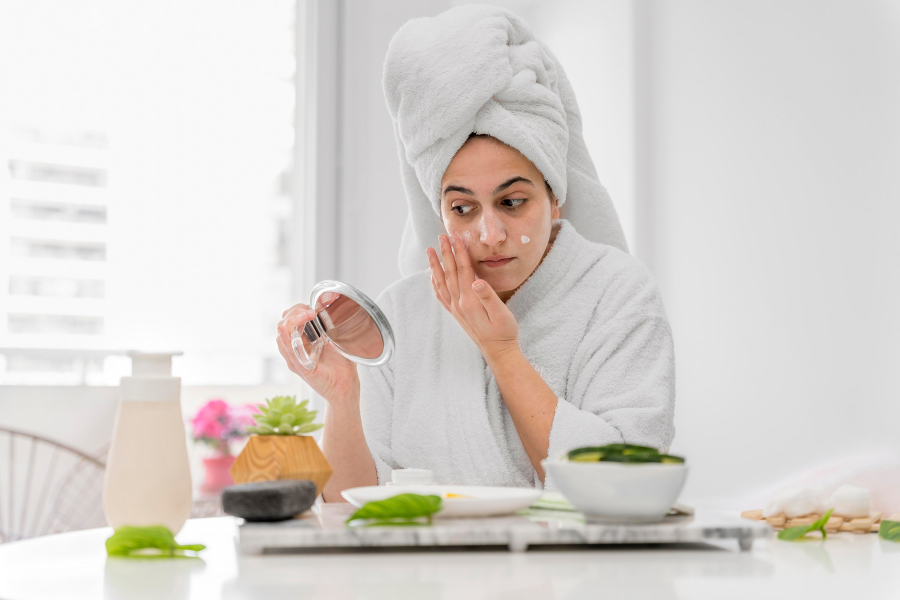

You know the feeling: you wash your face, and instead of feeling clean, your skin feels stripped, tight, and somehow more prone to breaking out than before you started. That reaction isn’t random. It’s a sign of what’s happening beneath the surface, on a living ecosystem hosting trillions of microbes that act as your skin’s own personal security team.
Prebiotic skincare works with that ecosystem instead of against it. Rather than stripping your skin’s microbiome the way a harsh cleanser does, prebiotics feed and nourish it, more like a nutrient-dense breakfast than a scrub-down. Making that switch to microbiome-friendly prebiotic skincare can lead to calmer, clearer, more resilient skin, not overnight, but steadily over time.
Understanding the Skin Microbiome: The Foundation of Prebiotic Skincare
What Is the Skin Microbiome?
Your skin’s microbial community does real work. It helps lock hydration in and shields your skin against pathogens, environmental pollutants, and allergens, all without you noticing it happening.
Here’s the problem: standard cleansers can seriously disrupt that system. Your skin’s natural pH sits around 5.5, but many soap-based cleansers run as high as pH 8 to 9. A classic study on cleansing and skin pH found that even a single wash with an alkaline cleanser measurably raised skin surface pH, and repeated washing with an alkaline product over several weeks produced a small but persistent pH elevation alongside real shifts in the resident bacterial population. That’s the mechanism behind the “stripped” feeling: it’s not just dryness, it’s a measurable disruption to your skin’s bacterial diversity.
Probiotics vs. Prebiotics in Skincare: What’s the Difference?
Probiotics are the actual live bacteria applied to skin, and they’re notoriously finicky and unstable to preserve inside a cosmetic product. Prebiotics take a different approach entirely: they’re non-living, plant-derived fibers and sugars that feed the good bacteria your skin already has.
That distinction is exactly why prebiotics tend to be so much more reliable. They don’t need to stay “alive” to remain effective through months of shelf-life and shipping, which sidesteps the entire stability problem that live-bacteria products constantly struggle with.

Key Ingredients for Prebiotic Skincare for Happy, Healthy Skin
Powerhouse Prebiotic Ingredients to Look For on Labels
Inulin and chicory root extract. Plant-based fibers that function as the bread and butter of prebiotic skincare, promoting beneficial bacteria growth on the skin’s surface.
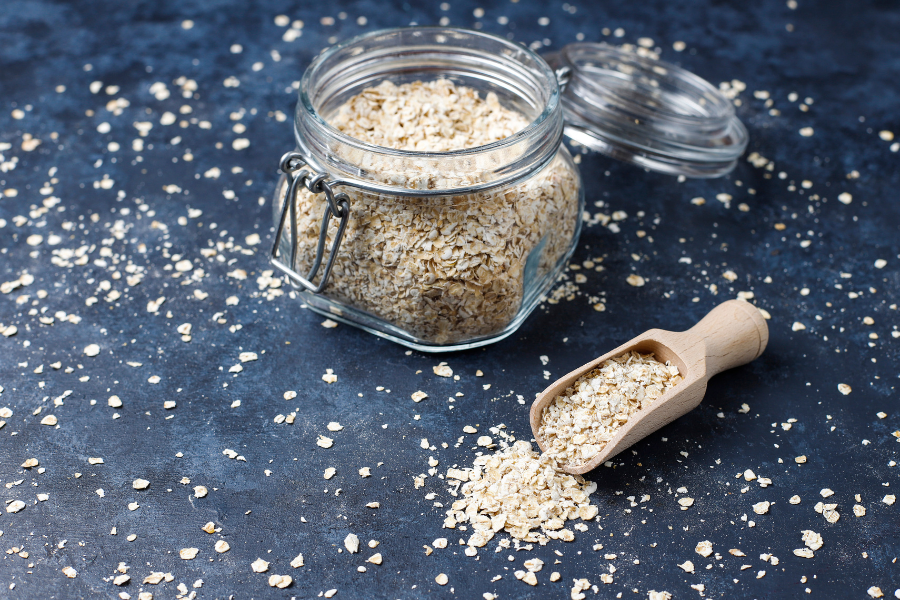
Oat beta-glucan. Derived from oats, this ingredient acts as a prebiotic fiber that feeds bacteria while also soothing irritation directly, a useful two-for-one for reactive skin.
Oligosaccharides. Bioactive carbohydrates that nourish the “good guys” on your skin so they aren’t crowded out by less helpful microbes competing for the same space.
Glycerol and lactic acid. Naturally occurring compounds that hydrate skin while simultaneously supporting a healthy, balanced skin flora.
Fermented botanical extracts. Ingredients like fermented aloe or fermented radish root provide bioactive, vitamin-rich nutrition that microbes can actually use.
Microbiome Disruptors to Avoid
A handful of common ingredients work directly against everything prebiotic skincare is trying to accomplish. Watch out for sulfates (harsh cleansing agents), synthetic fragrances and perfumes, drying alcohols, and triclosan, all of which strip the skin barrier or throw off its natural pH.
Science-Backed Prebiotic Skincare Benefits
Calming Inflammation, Rosacea, and Eczema
Feeding your skin’s beneficial microbes helps trigger the release of natural anti-inflammatory signals, including certain cytokines, that work to calm visible redness. This mechanism is part of why prebiotic-forward, organic, plant-based formulations have built such a following among people managing chronic conditions like eczema, where standard harsh treatments often make the underlying barrier problem worse rather than better.
Rebalancing Acne-Prone Skin
An unbalanced skin microbiome is a genuine contributor to acne, and the research here has gotten notably stronger recently. A 2025 clinical study of a prebiotic gel cream containing inulin and FOS found that six weeks of twice-daily use reduced non-inflammatory, inflammatory, and total acne lesions by 36.0%, 34.5%, and 35.9% respectively. The mechanism was striking: the treatment produced a more than 5,000-fold increase in the relative abundance of Cutibacterium acnes strain HL050PA2, a strain associated with healthy, non-acne-prone skin, rather than working by directly killing acne-causing bacteria. The gel cream was rated very well tolerated with no adverse effects reported.
Prebiotics also play a supportive role after antibiotic use, helping rebuild the natural skin flora that antibiotic treatments, whether oral or topical, tend to disrupt along with the bacteria they’re actually targeting.
Promoting Youthful Radiance and Collagen Synthesis
Some of the functional genetic changes observed in prebiotic-treated skin point toward increased activity in pathways associated with amino acid synthesis, including compounds like ornithine and lysine, which lay groundwork relevant to skin elasticity and collagen production. Beyond that mechanism, prebiotics are also associated with accelerated cellular regeneration, which can help reduce the visible appearance of scars, fine lines, and lingering blemishes over time.
How to Integrate Prebiotic Skincare Into Your Daily Routine
Step 1: The Gentle Prebiotic Cleansing Ritual
Wet your face with lukewarm water, never hot or ice-cold, since temperature extremes stress the skin barrier unnecessarily. Apply a sulfate-free, low-pH prebiotic face wash (ideally in the pH 4.5 to 5.5 range) and massage it in with circular motions for about 30 seconds. Pat your skin dry gently with a clean towel rather than rubbing, since rubbing physically strips away the protective natural biofilm you’re trying to preserve.
Step 2: Layering with Nutrients (Serums and Moisturizers)
Apply lightweight, leave-on serums, such as vitamin C or niacinamide formulas, that sink in deeply and help lock prebiotic nutrients against the skin. Seal everything in with a non-comedogenic prebiotic moisturizer to form a protective, breathable layer on top.
If you’re just starting out, give the new routine a full week before judging results. That short trial period is usually enough to notice early shifts in skin texture, even before the deeper microbiome changes have had time to take hold.

What to Expect During the “Detox Period”
Switching from harsh chemical cleansers to prebiotic skincare can bring on a brief adjustment period, often lasting somewhere in the 3 to 5 day range. Mild tingling, transient redness, or minor dryness during this window is a fairly normal part of the transition, as your skin clears out old residues and its microbiome starts re-establishing a healthier balance. If irritation is severe or persists well beyond this short window, that’s a signal to scale back frequency rather than push through it.
FAQ: Common Questions About Prebiotic Skincare for Happy, Healthy Skin
Does prebiotic skincare really work? The evidence is genuinely encouraging. By feeding existing beneficial bacteria, prebiotics help strengthen the moisture barrier, keep hydration locked in, and defend against pathogens. Clinical research on low-pH, food-grade prebiotic formulas has shown meaningful reductions in both redness and breakout frequency.
Can I use prebiotics with my existing serums and SPF? Yes, absolutely. Just make sure your other products are sulfate-free and fragrance-free so they don’t undercut the microbiome support you’re building elsewhere in your routine. Always apply SPF as your final morning step, layered over your prebiotic moisturizer.
Is a prebiotic face wash better than a leave-on prebiotic cream? Both play a genuinely useful, complementary role. Leave-on products like serums and creams maximize contact time with your skin, which matters for absorption. Prebiotic cleansers matter too, though, since they prevent the dry, stripped feeling that standard soap tends to leave behind, setting a balanced foundation before anything else goes on.
Is prebiotic skincare suitable for sensitive and eczema-prone skin? It’s a genuinely good fit for this skin type. Because these formulas skip irritating sulfates and synthetic fragrances in favor of food-grade botanical ingredients, they tend to soothe redness while helping rebuild the skin’s own natural defenses rather than working against them.
Conclusion: Elevate Your Routine with Prebiotic Skincare for Happy, Healthy Skin
Healthy skin was never really about stripping everything clean with harsh surfactants. It’s about cultivating a balanced ecosystem and giving it what it needs to do its job well. Keep in mind that your microbiome’s response is gradual by nature, showing subtle, cumulative improvements over weeks rather than delivering an overnight miracle.
Tonight might be a good time to flip over your current skincare bottles and check the ingredient list for prebiotic fibers like inulin or chicory root. If they’re missing, that’s a reasonable place to start making the switch toward a calmer, healthier routine.