
Introduction: The Battle for the Skin Barrier
If you’ve spent any time on skincare TikTok lately, you’ve seen the letters “BFF” everywhere. Bifida Ferment Filtrate is being sold as the ingredient that gives you calmer, stronger skin, minus the stinging sensation some people get from niacinamide.
This isn’t just a passing trend. Dermatologists, including Dr. Zoe Draelos, have pointed to postbiotics and microbiome health as the next real frontier in barrier repair. So the question worth asking is simple: is Bifida Ferment Filtrate a true niacinamide alternative? A full replacement? Or something else entirely?
Here’s the short answer. Bifida Ferment Filtrate and niacinamide don’t actually compete with each other. They work through completely different pathways, one through your skin’s microbiome, the other through cellular activity. That difference is exactly what makes them such a strong team.
Decoding Postbiotic Skincare: What Is Bifida Ferment Filtrate?
The Science Behind the Fermentation Process
Bifida Ferment Filtrate comes from fermenting Bifidobacterium. This is a friendly probiotic bacteria that naturally lives in the human gut, and also on healthy skin.
Here’s an important distinction. BFF is a postbiotic, sometimes called a probiotic extract. It is not alive. That’s actually what makes it so useful in skincare: it’s highly stable, predictable, and easy to formulate with.
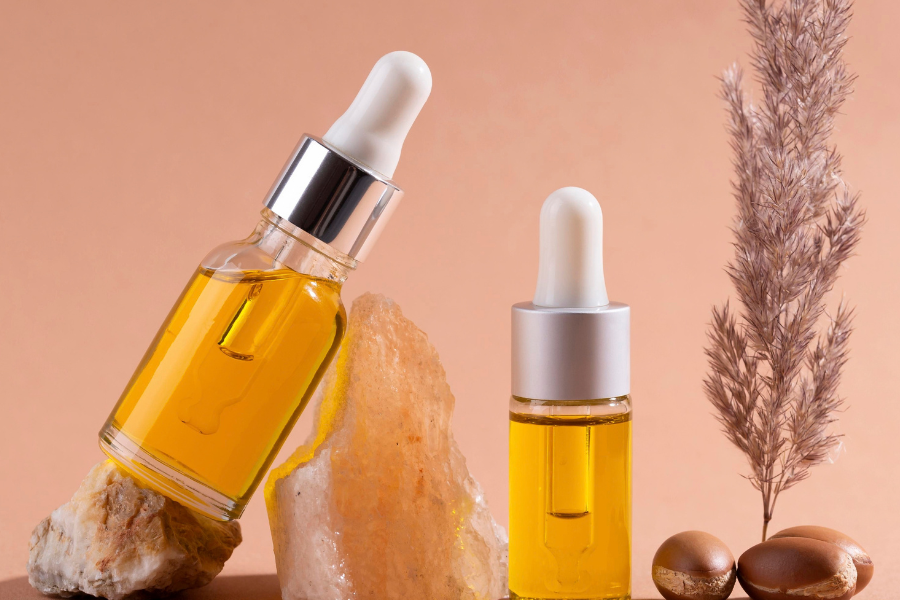
During fermentation, the bacterial breakdown releases a rich mix of enzymes, peptides, polysaccharides, amino acids, and natural vitamins. That combination is what gives BFF its wide range of benefits.

Key BFF Skincare Benefits Explained
BFF does more than one job. Here’s what it actually delivers:
- Skin barrier repair: Stimulates ceramide production, the “mortar” that holds skin’s lipid layers together, along with key proteins like filaggrin and involucrin.
- Microbiome balancing: Acts like a prebiotic, feeding beneficial commensal bacteria while making it harder for irritation-causing microbes to take hold.
- Anti-inflammatory support: Reduces pro-inflammatory cytokines, including IL-6, IL-8, and TNF-alpha, by up to 35%, helping calm irritation, redness, and reactivity.
- DNA protection and repair: Activates DNA repair enzymes and provides antioxidant defense against UV radiation and pollution.
- Deep hydration: Boosts natural moisturizing factors and hyaluronic acid synthesis, leaving skin plump, dewy, and resilient.
The Gold Standard Active: What Is Niacinamide?
How Niacinamide Works on Cellular Pathways
Niacinamide is Vitamin B3, a versatile, well-studied active ingredient. Where BFF works with your skin’s microbiome, niacinamide works directly on internal cellular pathways.
Primary Niacinamide Skincare Benefits
- Oil control and sebum regulation: Directly regulates oil production and can visibly shrink enlarged pores in as little as four weeks.
- Hyperpigmentation and wrinkle reduction: Brightens skin, fades dark spots, and softens fine lines.
- Redness mitigation: Helps manage acne-related redness and congestion.
Head-to-Head Comparison: Bifida Ferment Filtrate vs. Niacinamide
1. Skin Barrier Repair and Strengthening
The winner: Bifida Ferment Filtrate.
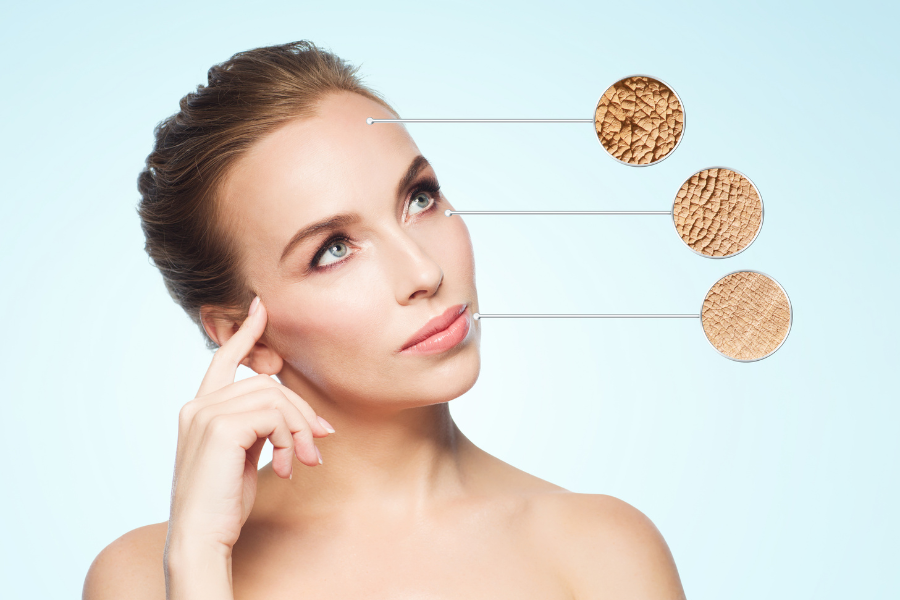
Both ingredients support the skin barrier, but BFF works more directly. It boosts ceramide and protein synthesis while also balancing the microbiome itself. A 2024 study published in Skin Research and Technology reportedly found that BFF repairs barrier damage up to 30% faster than niacinamide alone. It’s a strong pick if your skin regularly deals with harsh climates, UV exposure, or wind damage.
2. Calming Irritation, Sensitivity, and Redness
The winner: A near tie, with BFF pulling ahead for highly reactive skin.
Niacinamide does well for acne and general redness at 5-10% strength, but higher doses can cause flushing, stinging, or purging in some people. BFF has a much lower irritation profile. It doesn’t come with a purging phase, and it tends to perform better for calming post-retinol or sun-related irritation.
3. Oil Control and Pore Management
The winner: Niacinamide.
Niacinamide actively regulates sebaceous glands, which minimizes shine and shrinks the look of pores. BFF doesn’t regulate oil production directly. Any pore benefit comes indirectly, through a tighter, better-hydrated barrier overall.
4. Anti-Aging and Cellular DNA Protection
The winner: BFF for deep UV protection, niacinamide for surface-level lines.
BFF is particularly strong at protecting skin cells from environmental DNA damage and speeding up repair. Niacinamide, on the other hand, does more of its work topically, improving elasticity, brightening tone, and softening existing lines.
The Ultimate Synergy: How to Layer Bifida Ferment Filtrate and Niacinamide
Why They’re Teammates, Not Competitors
Think of this as “microbiome plus cellular pathway synergy.” Pairing BFF and niacinamide doesn’t create conflict. Instead, the two complement each other and strengthen overall barrier health.
BFF also plays a specific supporting role: it soothes irritation or stinging caused by other actives, like retinol or high-dose niacinamide. That makes it a natural buffer ingredient in a routine built around stronger actives.
The Morning and Night Layering Guide
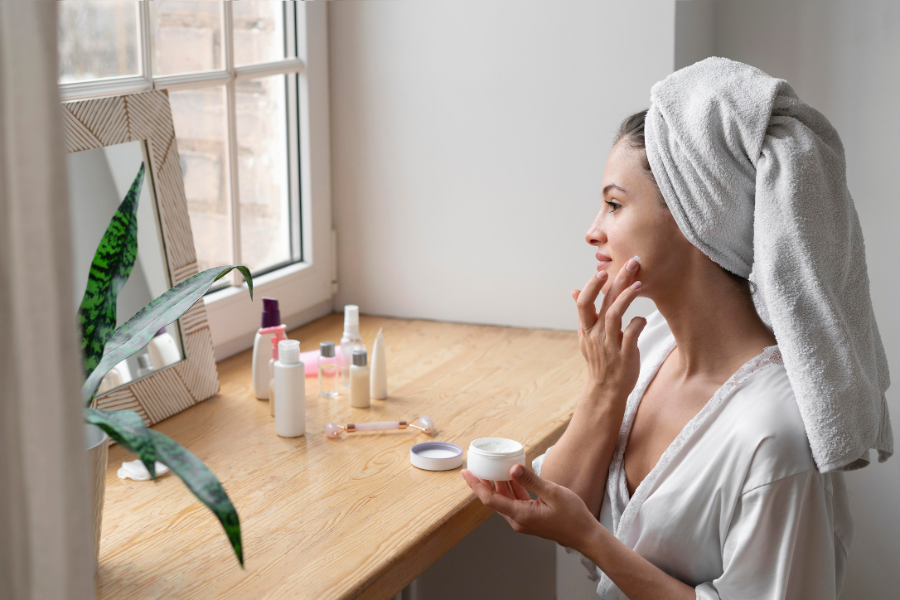
Morning routine:
- Apply a niacinamide serum.
- Follow with a BFF-infused moisturizer.
- Lock everything in with SPF.
Night routine:
- Apply your treatment active, such as retinol.
- Wait about 20 minutes.
- Layer a BFF cream on top to support overnight repair and help avoid “retinol regret.”
For daily maintenance, look for formulations with 1-5% BFF. Premium treatments aimed at intensive barrier recovery may go up to 5-10%.
Complementary Skincare Combinations
- BFF + Hyaluronic Acid: Multi-level hydration and plumping.
- BFF + Vitamin C: Amplified environmental protection and brighter, more radiant skin.
- BFF + Peptides: A more comprehensive anti-aging approach.
Sustainability in Modern Postbiotic Skincare
The Eco-Friendly Profile of Bio-Fermentation
Bio-fermentation processes used to produce BFF generally carry a much lower environmental footprint than synthetic chemical manufacturing. Many producers are also shifting toward closed-loop systems that recycle water and nutrients during production. For consumers who care about sustainability, that makes postbiotics a genuinely appealing category, not just a marketing angle.
Frequently Asked Questions About Bifida Ferment Filtrate vs. Niacinamide
What skin types benefit most from Bifida Ferment Filtrate? It works for all skin types, but it’s especially useful for sensitive, mature, environmentally stressed, or compromised skin.
Can Bifida Ferment Filtrate cause breakouts or irritation? Generally, no. BFF is non-comedogenic and very well tolerated. It has a low irritation potential and rarely triggers allergic reactions, unlike some chemical exfoliants or high-dose vitamins.
How long does it take to see results from Bifida Ferment Filtrate? Hydration and comfort tend to improve within 1-2 weeks. Barrier repair, reduced reactivity, and anti-aging benefits typically show up after 4-6 weeks of consistent use.
Is Bifida Ferment Filtrate vegan? Yes. It’s derived from bacterial fermentation, not animal sources. That said, always check the full ingredient list of a finished product for overall vegan certification.
Can I use Bifida Ferment Filtrate with retinol or acids? Yes. BFF strengthens the barrier, which makes it a helpful companion for reducing irritation or dryness from stronger actives like retinol or AHAs/BHAs.
What makes Bifida Ferment Filtrate different from other probiotic skincare ingredients? BFF is highly multifunctional. While many probiotic ingredients target a single concern, BFF addresses barrier repair, inflammation, hydration, and cellular DNA protection all at once.
How should I store products containing Bifida Ferment Filtrate? Keep them in a cool, dry place out of direct sunlight. Some premium formulations benefit from refrigeration, which can extend shelf life and improve the sensory experience.
Can Bifida Ferment Filtrate help with rosacea or eczema symptoms? Often, yes. Its barrier-strengthening and anti-inflammatory properties can help calm redness and dryness linked to rosacea and eczema. Persistent symptoms still warrant a dermatologist’s opinion.
What concentration of Bifida Ferment Filtrate is most effective? Formulations with 3-5% typically deliver solid daily benefits. Advanced clinical treatments may use up to 10% for more intensive barrier recovery.
Can Bifida Ferment Filtrate replace my moisturizer? No. BFF works best as a treatment step, like an essence or serum, and should be followed by a traditional moisturizer to lock in its benefits.
Conclusion: Embracing the Future of Skin Longevity
The direction skincare is heading in is clear: work with your skin’s natural biology instead of overwhelming it with harsh, quick-fix chemicals. That’s the real story behind the rise of postbiotics.
You don’t actually have to pick a side in the Bifida Ferment Filtrate vs. niacinamide debate. Used together, they build a more resilient, genuinely bulletproof barrier than either one manages alone.
If you’re ready to put this into practice, Legend Age’s range is built around exactly this kind of biologically-aligned formulation. The Super Hydrating Anti-Wrinkle Face & Neck Cream combines Bifida Ferment Filtrate with hyaluronic acid to repair daily wear and tear, while the Hydrating Mask offers a more intensive weekly recovery option. If you’ve tried postbiotic skincare yourself, share your experience in the comments below.