
When it comes to starting a healthy haircare journey, hair porosity usually sits at the top. It explains why some products do wonders while others don’t even feel like they exist. Hair porosity answers all that and gives real knowledge of how your hair works. In this article, StyleSpeak explores the fundamentals of hair porosity, how to test your hair at home, and what kind of routine is right based on your porosity type.
What is hair porosity?
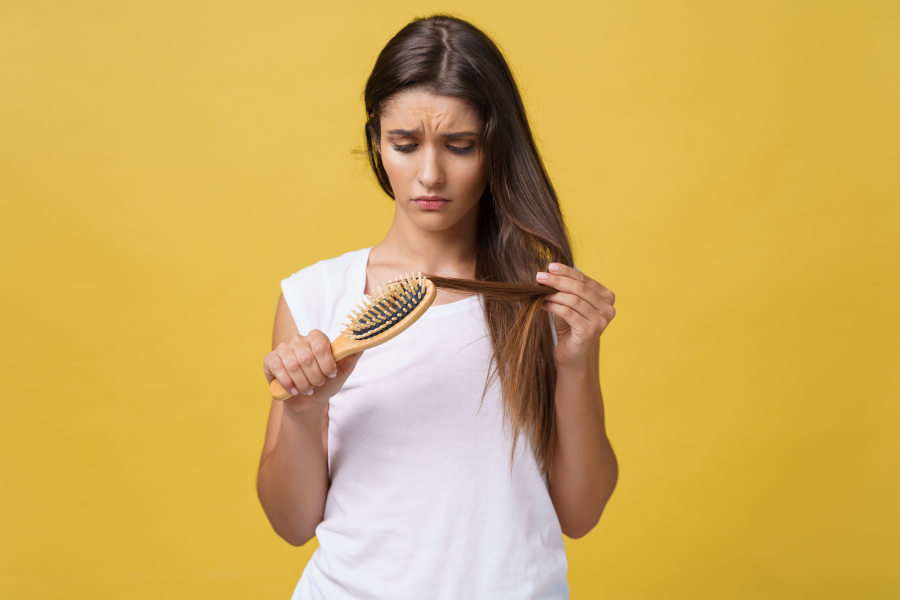
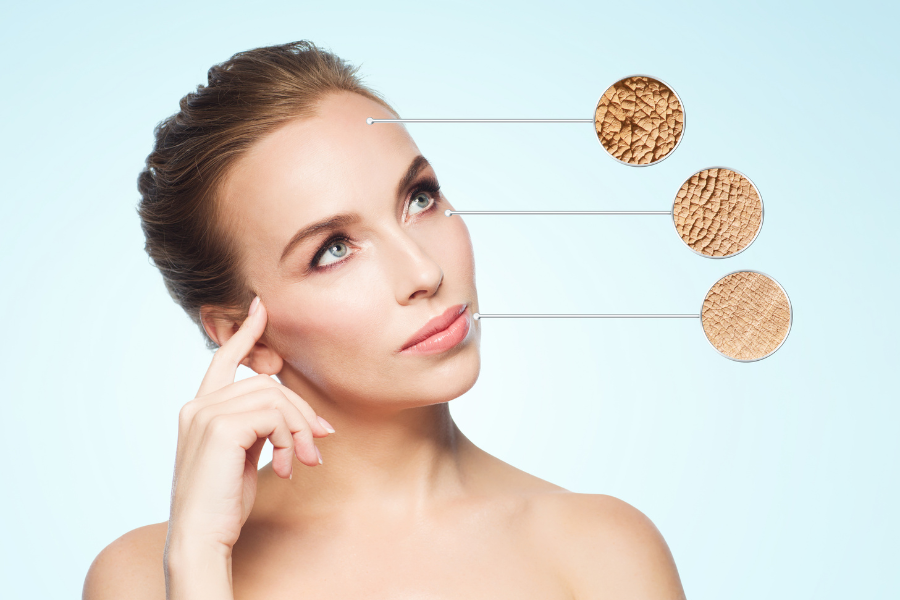
Hair porosity refers to the ability to absorb and retain water, treatments, and color molecules like dye. It describes how the outer layer of the hair, or cuticles, allows substances to pass through it. But while doing all that, each strand can also retain up to 30% of its weight. That’s how your hair retains moisture, and this can be divided into three types:
Low porosity hair
When hair cuticles are tightly packed or compact, it becomes harder for water or treatments to enter the hair. This results in significantly longer time for it to be fully wet, and products may simply sit on the surface for a long time before they are absorbed. Often, lightweight formulated serums or products work better for low porosity hair.
Medium porosity hair
This is the most ideal porosity that both retains and absorbs moisture efficiently. This is the dream of any hair stylist because it’s easier to manage, treatments work reliably, and it often has a natural softness.
High porosity hair
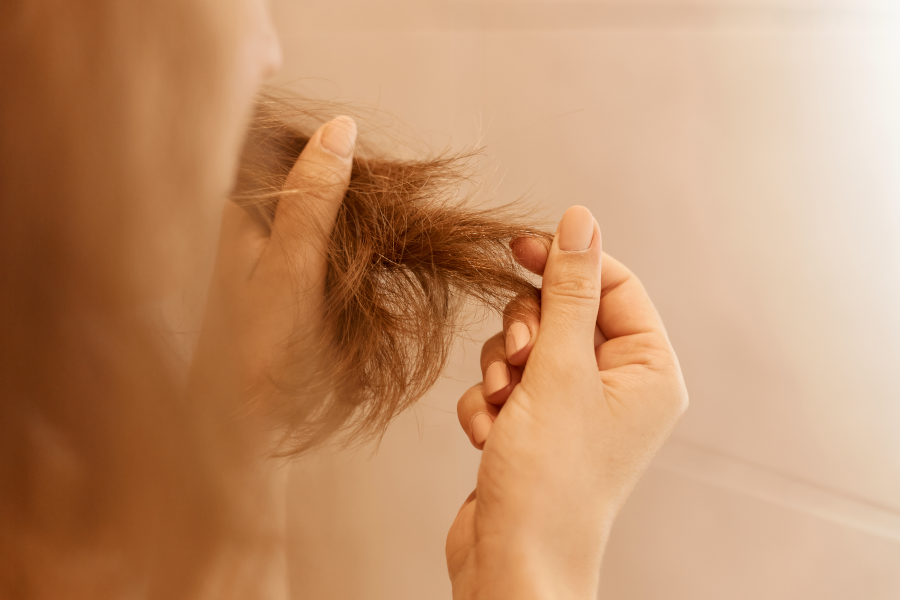
Two types of hair conditions can have this level of porosity: First if the cuticles are lifted, which allows more moisture to enter, or if the cuticles are damaged in some way, allowing more moisture than usual to pass through. This hair porosity also has a hard time retaining moisture, leading to frizzy hair, tangling, and faster fading dyes.
How to test hair porosity at home?
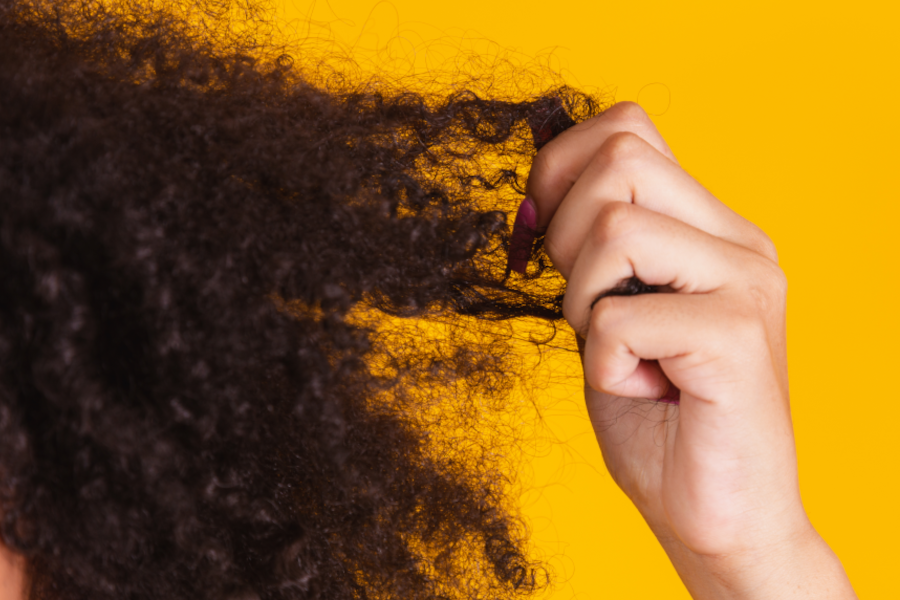
Testing hair porosity at home is simple. All you need is a clean, dry hair strand. This makes sure the hair is in its purest form without any hair oil or products. Now pick the strand and hold the tip with your thumb and index finger. Right after that, hold right below the tip with your other hand in a similar fashion and slide it from the tip to the roots. If you feel any of these, you know the result:
- If the strand feels smooth with little to no resistance, you have low porosity.
- If the sensation is totally opposite and feels extremely dry, uneven, or bumpy, you have high porosity.
- If it’s somewhere in between with slight bumps but not too resistant, you have medium porosity.
Hair routine based on different hair porosity
Hair routine will differ significantly based on the porosity type. That’s why knowing your accurate type is so important. This saves a lot of time in finding the right hair product that works. So with that, here’s a simple hair routine for different hair porosity types:
Low porosity hair
Use products that are lightweight and easier to absorb. This will make sure that products don’t build up over time and hair has an easier time absorbing them. You can also use oil or conditioner on warm, damp hair and wrap it with a warm towel. The heat opens up the cuticles just enough to let the products in.
Also avoid overlayering since the products will simply sit on top of each other and create unnecessary weight. Talk with a professional styler and decide which low porosity hair products should be on your list.
Medium porosity hair
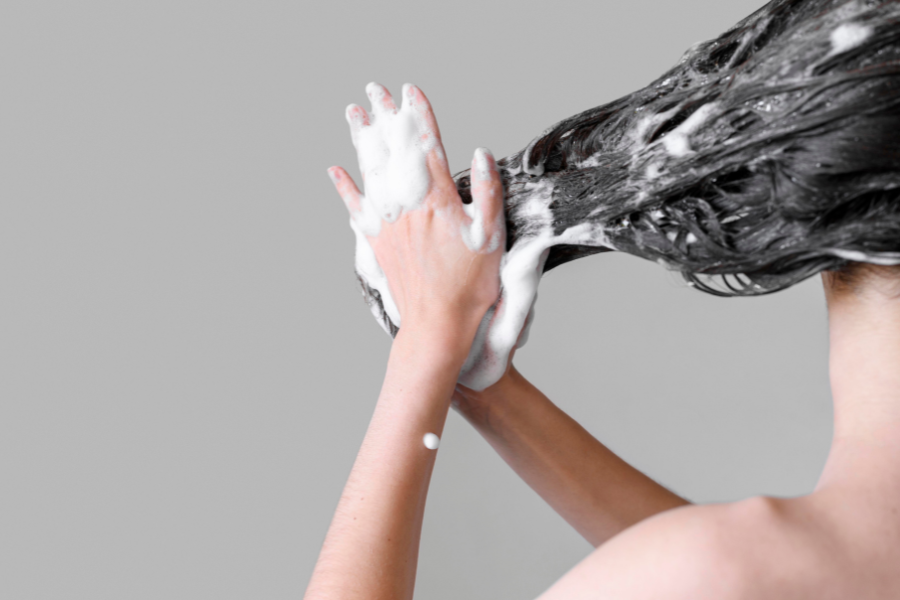
Since this is the most ideal porosity for hair, there is not much correction needed here. Instead, it’s all about managing. Follow a regular shampoo and conditioning session with pre-wash oil once a week. Use Ayurvedic hair oil for pre-wash or go for argan oil for best results.
Texturing and layering work here. But don’t use heavy protein masks or overly treat it, or strands may start to feel stiff or dry instead of flexible. This usually means protein overload and signals for a shampooing session.
High porosity hair
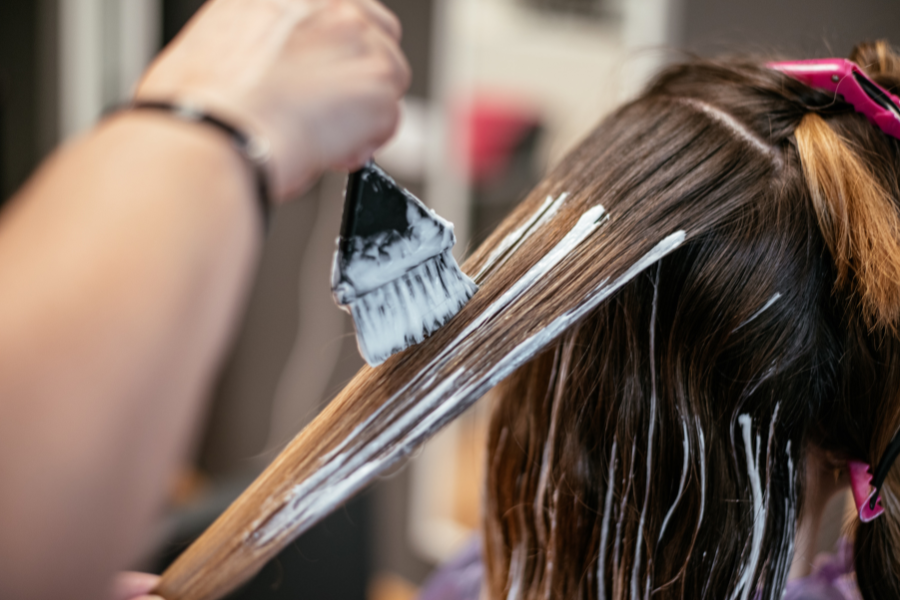
High porosity can happen for a wide range of reasons. Like prolonged sun exposure, excess use of hair products, chemical coloring agents like dye, or too much heat-based styling. Despite the root cause, the cuticles are now lifted, allowing products in and out at a similar speed.
For this condition, follow the LCO method:
- Liquid: Apply a water-based leave-in conditioner and leave it for 5 minutes, or whatever period the conditioner mentions.
- Cream: Apply a styling cream, lotion, or butter to add extra moisture and smooth out the outer layer. It also helps in defining the curls.
- Oil: Seal the strand with an oil solution like argon or jojoba oil. This will prevent the moisture from leaking out and complete the treatment.
Conclusion
Knowing how to provide well-rounded protection to your hair in a country like India is a major win. Here, pollution is a big concern, and seasonal changes bring even bigger problems with it. That’s why knowing the right porosity is so important to tackle these head-on. Make sure to follow StyleSpeak for more informational topics like this.
Frequently Asked Questions
What are the best low porosity hair products in India?
Ans. Re’equil, Giovanni, and L’Oreal offer a wide range of products for low porosity hair. The trick is to look for “lightweight” and shop around based on the budget.
What is the recommended hair oil for low porosity hair?
Ans. Look for lightweight and fast-absorbing oils like Jojoba and argan.
Can you naturally have high porosity hair with any hair damage?
Ans. Yes, you can naturally have high porosity hair without any heavy chemical exposure or damage.