
Walk into the shampoo section at the mall, and you’ll find shelves full of products labelled “sulfate-free.” As a professional, you need to know what sulfate-free actually means, who can benefit from it, and when it may not be necessary. That makes it much easier to recommend the right product instead of simply following a trend.
What Is Sulfate Free Shampoo
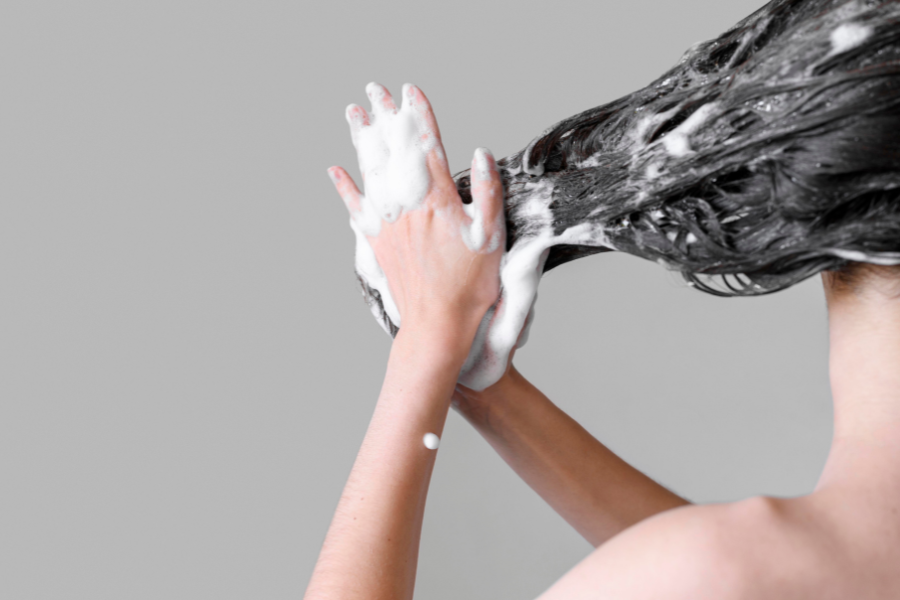
Sulfate free, as it sounds, means the shampoo doesn’t contain sulfate agents such as Sodium Lauryl Sulfate (SLS) or Sodium Laureth Sulfate (SLES). These agents are cleansing ingredients that are used to remove oil, sweat, dirt, and product residue from your hair while creating rich lather that shampoo creates.
Sulfates cleanse effectively but tend to remove more of the natural oils from your hair and scalp. For those with dry hair or a sensitive scalp, sulfates can leave your hair feeling drier and the scalp feeling tight.
Sulfate-free shampoos use other cleansing ingredients instead of the regular sulfates. Depending on the formula of the product, these can include gentler alternatives that provide a thorough cleanse without stripping the natural oils. However, not every sulfate-free shampoo feels or works the same way.
Why Choose Sulfate-Free Shampoo
Before choosing a sulfate-free shampoo, it’s important to understand why it’s the better option.
Regular shampoos work by lifting off oil, dirt, sweat, and product residue using the surface agents, which are sulfates, so that it can be rinsed away. This type of strong hair cleaning is recommended when you have lots of oil or product buildup in your hair. But it can still be drying to your scalp.
Frequent use of sulfate shampoos leads to:
- A dry, flaky scalp with a tight feeling.
- Already dry hair can get brittle.
- Your hair can become rough and frizzy, making maintenance harder.
- People with sensitive scalps can feel discomfort.
Who Actually Benefits From Sulfate-Free Shampoo?
Just like not everyone needs the same type of shampoo, a sulfate free mild shampoo is also only for people with specific hair needs. Here’s when you should use a sulfate-free shampoo:
You Have Dry Or Frizzy Hair
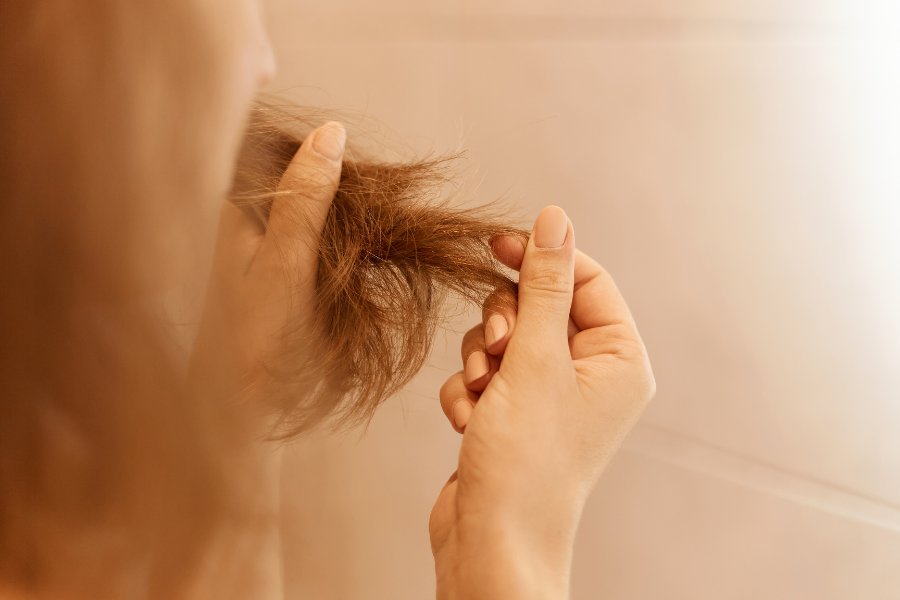
A gentler sulfate free shampoo for dry hair helps clean up all the dirt, sweat, and build up without stripping the natural oils. Dry hair already lacks internal moisture and an external protective layer. Sulfate free shampoo helps maintain the scalp’s natural oil, reduce moisture loss, and reduce frizz.
You Have Color-treated Hair
Colored hair becomes prone to damage and gets porous. Sulfates strip the color faster and causes dryness in hair. To make your color stay vibrant for long, gentle and less frequent hair cleansing is recommended.
You Have Chemically-treated Or Damaged Hair
If your hair has been chemically processed, removing sulfates from your routine will help avoid additional dryness. Sulfate shampoos cause straightening, keratin, and smoothing treatments to live a short lifespan and increase breakage and split ends.
You Have A Sensitive Or Reactive Scalp
How sensitive scalps react to a product depends on its entire formulation, not just the presence of sulfate, but people find mild sulfate free shampoos to be more comfortable. Sulfate free shampoos help reduce damage to the scalp barrier and lessen itching caused by dryness.
You Have Curly Or Wavy Hair
With curly or wavy hair, natural oils don’t travel down to the strands easily, which makes hair feel dry. Gentle sulfate free shampoo for wavy hair maintains moisture and reduces frizz. This helps with easy maintenance, and the curls and waves retain their shape better.
Who Doesn’t Need Sulfate Free Shampoo
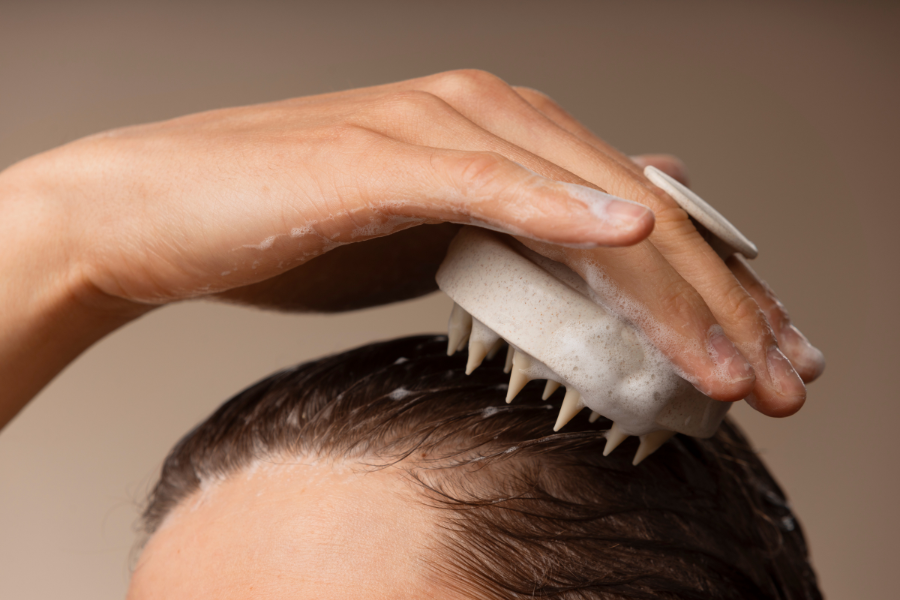
Sulfate free shampoos are useful for particular hair and scalp types only. So a shampoo containing sulfates is doing fine for you if:
You Have A Very Oily Scalp
If your scalp gets greasy quickly, then a stronger shampoo is best for cleansing the excess oil off. A sulfate free shampoo can still work too, but it’ll require more frequent hair washes or usage of clarifying shampoo occasionally.
You Have Heavy Product Usage
Those who frequently use oils, styling creams, hair sprays, or other styling products need a more thorough hair cleanse each time. Sulfate free shampoos may not be able to provide a strong cleanse to remove all the product buildup.
You Have Straight, Fine Hair
Straight and fine hair collects sebum and product buildup faster and feels flat and weighed down when not clean. Stronger shampoo gives a thorough cleanse, and for some the sulfate shampoo may not cause any problems.
Sulfate vs Sulfate-Free: A Quick Comparison
| Feature | Sulfate Shampoo | Sulfate-Free Shampoo |
| Cleansing | Sulfate shampoo provides a stronger cleanse. | Sulfate free shampoo provides a mild to moderate cleanse. |
| Lather | Sulafte shampoo produces more lather. | Sulfate free shampoo produces little lather depending on formulation |
| Oily scalp | Sulafte shampoo works well for oily scalp. | Sulfate free shampoo can work for oily hair if used frequently. |
| Dry or treated hair | Sulafte shampoo may feel drying for some people. | Sulfate free shampoo is preferred for dry and chemically treated hair. |
| Color-treated hair | Frequent washing with Sulfate shampoo can contribute to color fading. | Sulfate free shampoo is ideal for a post-color-care routine. |
| Sensitive scalp | Sulfate shampoo may feel irritating. | Sulfate free shampoo May feel more comfortable. |
Conclusion
Sulfate free shampoo is not an upgrade for all. If you have dry, curly, and wavy color or chemically treated hair, sulfate ree shampoos are a gentler approach to cleansing hair. Oily scalps and hair with heavy product usage need a strong clarifying shampoo.
FAQs
Do you really need sulfate-free shampoo?
Sulfate free shampoo ideally suits dry, curly, color or chemically treated and sensitive hair types. It offers gentle cleansing and protects your scalp’s moisture barrier. If you have oily hair or use hair products heavily, a sulfate shampoo will work better.
What are the disadvantages of using sulfate-free shampoo?
A disadvantage that most people find with sulfate free shampoos is that they mildly cleanse your scalp and thus lather less. This makes it feel like it’s not washing your hair thoroughly. So on oil hair, a sulfate free shampoo may not help fully cleanse.
Are sulfates actually bad for hair?
Sulfates are agents that help remove oil, dirt and product buildup effectively. But they also tend to strip off your scalp’s natural oils causing dryness and frizz. Sulfates can work for your hair based on your hair type and concern.