
Acne affects millions of people worldwide, and it does more than mark the skin. It can chip away at confidence and add real, daily stress. If you’ve tried topical treatment after topical treatment with mixed results, there’s a less obvious connection worth understanding: the link between your digestive health and your skin.
This is the gut-skin axis, the physiological communication highway connecting your gastrointestinal tract to your skin. Topical treatments absolutely have their place. But targeting the internal triggers of acne through probiotics offers a different, more holistic path toward clearer skin, one that works from the inside out rather than only from the outside in.
Understanding the Gut-Skin Connection: What Is the Gut-Skin Axis?
The Biology of the Gut-Skin Axis and Acne
Your gut microbiome is a massive, diverse community of microorganisms, bacteria, viruses, fungi, and archaea, living in your digestive tract. When that community falls out of balance, a state called dysbiosis, it can trigger systemic inflammation, and systemic inflammation is a major driver of acne.
One key mechanism involves your gut barrier. A compromised gut barrier, often called “leaky gut,” allows toxins, bacterial fragments, and endotoxins like lipopolysaccharides to slip into your bloodstream. Once there, they can trigger inflammatory flare-ups that show up on your skin. Gut health also plays a role in regulating hormones, including androgens like testosterone, which directly control sebum production. When that regulation goes off track, hormonal acne can get worse.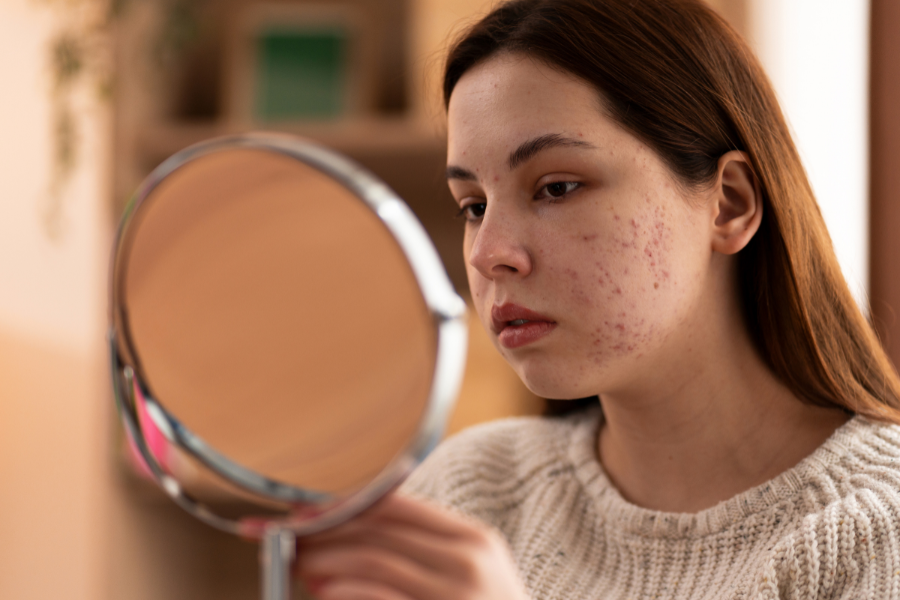
The Skin Microbiome: Your Local Defense System
Your skin has its own protective ecosystem too, a surface-level microbiome designed to shield against environmental pathogens. Here’s where the two systems connect: a disrupted gut microbiome can indirectly trigger dysbiosis on your skin’s surface, creating conditions that let pathogenic, acne-causing bacteria like Cutibacterium acnes (C. acnes) multiply unchecked.
A narrative review on acne, the microbiome, and probiotics describes this bidirectional relationship clearly, noting that communication between gut and skin microbiota is established largely through modifications to the immune system, and that C. acnes plays a central role in how this plays out on the skin’s surface.
Do Probiotics Help Clear Acne? Exploring the Science
Five Scientific Mechanisms: How Probiotics Fight Breakouts Internally
Research points to several distinct ways probiotics may help calm acne from the inside:
- Modulation of the gut microbiome. Promoting a healthier microbial balance limits the systemic inflammation that can trigger breakouts.
- Immune regulation. Probiotics interact with gut-associated lymphoid tissue (GALT) and mucosal immune cells, helping control the hyper-inflammatory responses tied to acne flare-ups.
- Inflammation reduction. Certain strains suppress pro-inflammatory cytokines and mediators, the molecules responsible for swelling, redness, and painful lesions.
- Inhibition of pathogenic bacteria. Probiotics secrete organic acids, bacteriocins, and other antimicrobial compounds that can help suppress acne-triggering bacteria like C. acnes.
- Regulation of sebum production. Some research suggests probiotics can modulate sebocyte activity, helping normalize excess oil production and reduce clogged pores.
It’s worth being upfront about where the evidence currently stands. Clinical trials specifically testing probiotics for acne are still relatively scarce, though a comprehensive review of the gut-health-skin relationship notes that a 2025 meta-analysis of four randomized controlled trials linked probiotic use to reduced acne severity scores, and a broader 2026 review covering 33 studies and over 2,100 patients found broadly positive outcomes when probiotics were used alongside standard acne care. The picture is genuinely promising, but most of this research treats probiotics as a supportive adjunct rather than a standalone cure.
The Power of Synergistic Treatments
Some of the more compelling clinical results in this space come from pairing probiotics with antioxidant, plant-based medicinals rather than using probiotics in isolation.
Guggul, an herb containing compounds called guggulsterones, has real clinical data behind it. A controlled trial comparing oral gugulipid to tetracycline for nodulocystic acne found a 68% reduction in inflammatory lesions with gugulipid compared to 65.2% with tetracycline, a difference that wasn’t statistically significant, meaning the herbal option performed comparably to the antibiotic. Patients with oily skin in particular showed a more favorable response to the guggul treatment.
EGCG, the potent antioxidant found in green tea, has its own trial evidence. A randomized, double-blind, placebo-controlled trial gave 80 women with post-adolescent acne either a decaffeinated green tea extract standardized for EGCG or a placebo daily for four weeks, using inflammatory lesion counts as the primary outcome measure. Separately, a topical EGCG trial and other oral green tea extract studies have reported consistent reductions in lesion counts, reinforcing EGCG’s anti-inflammatory reputation for acne-prone skin specifically.
Oral vs Topical Probiotics for Acne: Which Approach Is Best?
Oral Probiotics: Rebalancing Your Gut Microbiome from Within
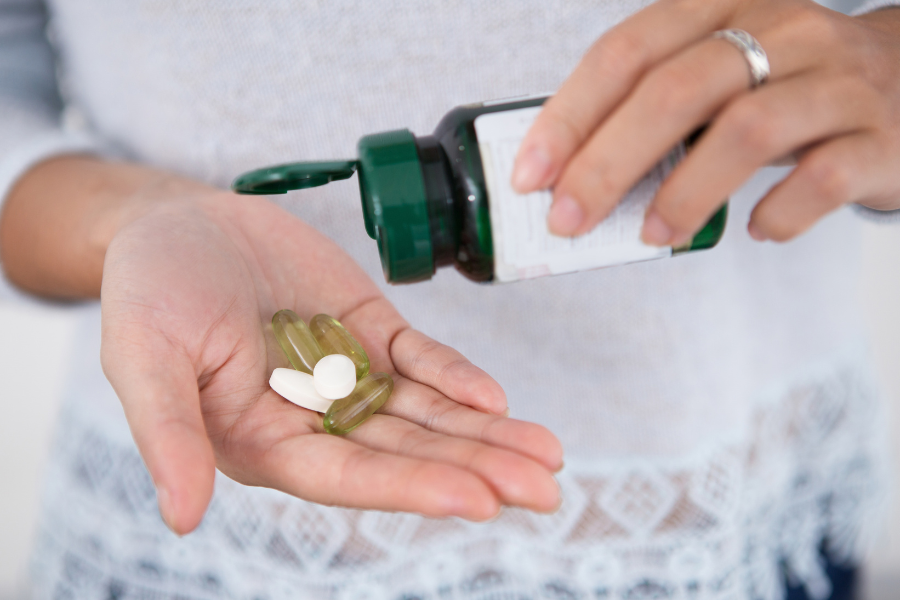
Oral probiotics work systemically, focusing on improving intestinal barrier integrity and calming internal immune pathways rather than acting directly on the skin’s surface. You can support this route through natural dietary sources: organic, dairy-free, sweetener-free yogurt (often recommended by dermatologists specifically for this reason), along with apple cider vinegar, kefir, sauerkraut, kimchi, miso, and kombucha.
Topical Probiotics: Strengthening the Skin’s Surface Barrier
Topically applied live bacteria, bacterial extracts, or prebiotics work differently, nurturing the local skin ecosystem directly at the site of application. The benefits here tend to show up faster: calming surface redness, strengthening the protective lipid barrier, and directly competing with C. acnes for the same resources.
One important caution: harsh cleansers, physical scrubs, and over-exfoliation strip away the protective skin barrier and undermine whatever local benefit topical probiotics are providing. Gentleness matters just as much as the ingredient itself.
The Synergy of an “Inside-Out, Outside-In” Skincare Strategy
Combining systemic oral probiotic supplements with gentle, microbiome-friendly topical products represents the most holistic approach available, targeting multiple acne triggers at once rather than relying on a single pathway to do all the work.
How to Find the Best Probiotics for Skin Health
Top Scientifically Studied Probiotic Strains for Acne Management
Research on specific strains has identified a handful with particular relevance to acne-prone skin:
- Lactobacillus acidophilus — among the most extensively researched strains, studied for its role in decreasing sebum production, supporting gut health, and lowering inflammation.
- Lactobacillus rhamnosus — studied for its ability to inhibit C. acnes growth, strengthen the skin’s physical barrier, and reduce breakout frequency.
- Bifidobacterium bifidum — involved in regulating systemic immune responses and blocking pathogens at both the skin and gut level.
- Lactobacillus casei — recognized for anti-inflammatory properties that may help alleviate acne-related swelling.
- Lactobacillus plantarum — studied for enhancing natural skin defenses and suppressing harmful bacteria.
- Bifidobacterium lactis — supports gut barrier integrity by producing mucin and reinforcing the cellular tight junctions that prevent “leaky gut.”
- Bacillus coagulans — generates targeted antimicrobial compounds that may help inhibit C. acnes specifically.
As with most of this field, strain-specific research is still developing, and results vary between studies. These strains represent where the current evidence base is strongest, not a guaranteed outcome for any individual.
Whole Foods vs. Probiotic Supplements
Whole foods offer something supplements can’t fully replicate: a rich mix of prebiotics, fibers, and polyphenols that naturally sustain a diverse population of friendly bacteria over time. Supplements, on the other hand, offer highly concentrated, standardized doses of specific, skin-targeted strains, which can be useful when you want a more controlled, measurable approach.
If you go the supplement route, look for products that guarantee live bacteria counts at expiration, not just at the time of manufacturing, and that use protective coatings designed to help the bacteria survive stomach acid before reaching your gut.
Exploring the Skin-Gut-Brain Axis: Stress and the Inflammatory Domino Effect
Substance P and Stress-Induced Sebum Overproduction
The gut-skin-brain relationship runs in both directions, and stress is one of the clearest examples of that. An unbalanced gut microbiome has been linked to increased release of substance P, a neuropeptide produced in the brain, gut, and skin. Research has shown that substance P triggers histamine release from human cutaneous mast cells in a dose-dependent way, and elevated histamine activity is closely tied to excess sebum production and inflammation.
Interestingly, animal research has found that oral probiotics may help interrupt this cycle. A landmark study exploring the gut-brain-skin axis found that ingestion of a Lactobacillus strain in mice measurably dampened stress-induced neurogenic skin inflammation, offering early evidence that gut-focused probiotic support really can influence how the skin responds to stress.
The Bidirectional Communication Systems
This axis operates through three connected pathways:
Brain-to-skin (skin-brain axis). Psychological stress prompts your brain to release cortisol and other stress hormones, which can directly trigger inflammatory skin responses.
Skin-to-brain. Environmental stressors, like UV radiation or extreme temperature shifts, cause your skin to produce its own stress hormones, sending signals back to the brain.
Gut-to-brain (gut-brain axis). An upset stomach can directly affect mental well-being, and emotional stress, in turn, frequently triggers gastrointestinal upset. The relationship runs in a genuine loop rather than a single direction.
Beyond Probiotics: A Holistic Plan for Acne-Prone Skin
Dietary Patterns That Reduce Acne Flare-Ups
Limiting high-glycemic index foods, refined carbs and added sugars in particular, can help, since these spike insulin levels in ways that directly trigger sebum synthesis. On the other side, incorporating omega-3 fatty acids (from fish or flaxseed) and a colorful variety of antioxidant-rich vegetables helps combat systemic inflammation more broadly.
Lifestyle and Skincare Habits to Support Your Microbiome
A few habits go a long way toward supporting both your skin and gut microbiome together:
- Use gentle, non-foaming cleansers twice daily to clean skin without destroying its protective lipid barrier or killing off beneficial surface bacteria.
- Choose non-comedogenic moisturizers and sunscreens to avoid physically clogging pores with heavy, occlusive ingredients.
- Manage daily stress through regular sleep schedules, physical movement, and relaxation techniques, all of which help prevent the cortisol surges that worsen acne.
Setting Realistic Expectations: How Long Do Probiotics Take to Clear Skin?
Timelines for Visible Skincare Results
Rebalancing your gut microbiome is a gradual process, not an overnight fix. Give oral probiotics an 8 to 12-week trial period of consistent, daily use before fully assessing whether your skin has changed. Topical probiotics tend to move faster, often producing improved skin texture and reduced sensitivity within 2 to 4 weeks.
Individual results vary based on genetics, the severity and type of acne you’re dealing with (inflammatory lesions tend to respond better than purely blackheads or whiteheads), and how consistently you stick with the routine.
When to Transition from Probiotics to Professional Medical Care
Probiotics are a genuinely powerful supportive treatment, but they’re not a substitute for medical care when acne is severe. If your acne is rapidly worsening or leaving scars, see a board-certified dermatologist for evaluation and prescription-strength options, such as topical retinoids or hormonal therapy.
Frequently Asked Questions (FAQs) About Probiotics for Acne
Can probiotics make acne worse before it gets better? Some people report a temporary breakout period lasting one to two weeks after starting probiotics, sometimes described anecdotally as a “purging” phase while gut bacteria rebalance. This isn’t a well-established clinical phenomenon, so treat it as a possibility rather than an expected outcome. If breakouts persist beyond three weeks, the strain may not suit your system, or another trigger may be at play.
How long should I take probiotics to see visible skin results? Most research points to visible benefits emerging after 8 to 12 weeks of daily, consistent use, giving your gut microbiome enough time to genuinely shift.
Are topical probiotics better than oral probiotics for acne? Neither is universally better, since they work through different pathways. Oral probiotics address systemic inflammation and gut integrity from within, while topical probiotics reinforce the surface lipid barrier and locally compete with pathogenic bacteria. Combining both tends to produce the most complete results.
Which probiotic strains are most effective for acne-prone skin? Current research points most consistently to Lactobacillus acidophilus, Lactobacillus rhamnosus, Bifidobacterium bifidum, and Lactobacillus plantarum for reducing acne severity and calming inflammation markers, though the strain-specific evidence base is still developing.
Do probiotics help with acne scars? No. Probiotics primarily target active inflammation and help prevent future breakouts; they don’t repair structural scarring that’s already formed. Textural scars require dedicated clinical treatments like chemical peels, microneedling, or laser therapy.
Should I stop taking probiotics once my skin clears? Microbiome balance requires ongoing maintenance rather than a one-time fix. Many people transition to supporting their gut long-term through a diverse diet rich in fermented foods, while others continue targeted supplements to help prevent future flare-ups.