

Your skin isn’t just skin. It’s home to a whole ecosystem, bacteria, fungi, viruses, even tiny mites, living quietly on its surface. Here’s the twist: most of them aren’t out to get you. They’re actually on your side.
This community helps calm inflammation, teaches your immune system what to fight and what to leave alone, and crowds out troublemakers before they can cause problems. Think of it as an invisible teammate working alongside your skin barrier, not a separate threat to manage.
So What Exactly Is the Skin Microbiome?
Every square centimeter of your skin is packed with millions of microorganisms, and across your whole body, that adds up to roughly a trillion of them. That’s not a sign you need to scrub harder. It’s just what healthy skin looks like.
Rather than sitting passively on the surface, this microbial community actively helps train your immune system and defend against harmful invaders. A landmark review in Nature Reviews Microbiology laid out just how central this relationship is to skin health, establishing the skin microbiome as a genuine partner in immune function rather than a passive bystander.
Quick vocabulary note: “Microbiome” technically means the collective genetic material of these organisms, while “microbiota” refers to the organisms themselves. In practice, most people, including skincare brands, use the two words interchangeably, and that’s fine.
Who Actually Lives There
Your skin’s residents fall into four main groups, and where each one sets up shop depends on the neighborhood.
- Bacteria, the biggest, most-studied crowd, led by familiar names like Staphylococcus, Cutibacterium (once known as Propionibacterium), and Corynebacterium
- Fungi, mostly Malassezia, which prefers oilier real estate like your scalp, face, and upper back
- Viruses, mainly bacteriophages, which target bacteria rather than human cells, quietly keeping bacterial populations in check
- Mites, microscopic Demodex mites that live in your hair follicles and are present on almost everyone, causing zero issues for most people
Where you live on your body shapes who moves in. Oily zones like your face and scalp attract lipid-loving species like C. acnes and Malassezia. Drier areas, like your forearms, host a more varied, evenly spread-out community. Humid spots, think armpits and groin, favor moisture-tolerant species like Staphylococcus and Corynebacterium.
What This Ecosystem Actually Does for You
It’s easy to think of skin bacteria as neutral at best. In reality, they’re doing real work.
Fighting off invaders. Good bacteria compete with harmful ones for space and nutrients, essentially crowding them out. Some even produce their own antimicrobial compounds to keep unwanted guests away.
Coaching your immune system. Your skin’s microbiome is in constant conversation with the immune cells living there, helping the immune system learn to tell the difference between harmless microbes and real threats. Researchers Yasmine Belkaid and Julia Segre described this relationship in Science as an ongoing “dialogue between skin microbiota and immunity,” and it’s considered central to skin balance. When that balance breaks down, it’s closely tied to common issues like dryness, irritation, and breakouts.
Backing up your skin barrier. Certain bacteria help keep your skin’s pH slightly acidic, which supports the enzymes responsible for building your skin’s protective lipid layer. A healthy microbiome and a strong barrier essentially have each other’s back.
Keeping inflammation in check. A balanced microbiome produces byproducts that help dial down inflammatory triggers. When things get out of balance, that’s often when skin turns red, sensitive, or reactive.
What Throws It Off Balance
A handful of everyday habits can disrupt this ecosystem, a state often called dysbiosis:
- Harsh, high-pH cleansers that strip away protective oils and mess with your skin’s natural acidity
- Overdoing it with antibacterial or antimicrobial products, which wipe out the good along with the bad
- Antibiotics, whether topical or oral, since they tend to affect bacteria broadly rather than targeting just the problem
- Over-exfoliating, which strips away the surface cells your microbiome relies on
- Environmental stress like pollution and low humidity, which can shift microbial diversity
- Too much sun, which affects both your skin barrier and the organisms living on it
Skin Conditions Tied to Microbiome Imbalance
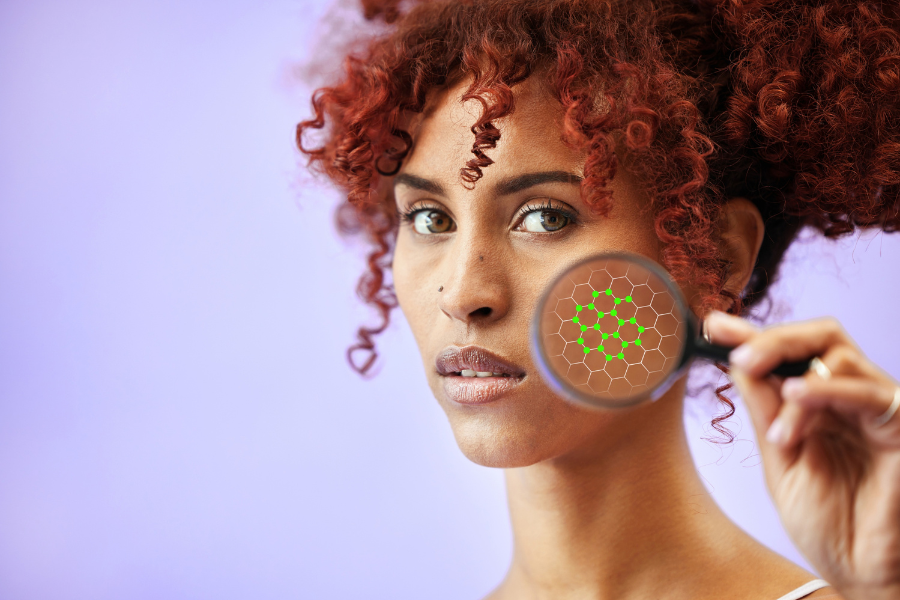
Science increasingly links microbiome disruption to several common skin conditions, though in most cases, it’s one contributing factor among several, not the whole story.
Acne has been connected to shifts in the balance of different C. acnes strains, some linked to inflammation, others considered fairly harmless. Eczema is strongly tied to a drop in microbial diversity and an overgrowth of Staph aureus during flare-ups. Rosacea has been linked, in some studies, to changes in Demodex mite density and related bacterial shifts. Psoriasis has also been associated with reduced microbial diversity, though this connection isn’t as well established as it is for eczema.
How to Actually Support a Healthy Skin Microbiome
The good news: supporting your microbiome is mostly about not messing with it, rather than trying to actively add anything new.
- Choose gentle, low-pH cleansers over harsh, stripping ones
- Don’t over-exfoliate; give your skin recovery time between strong active treatments
- Go easy on antibacterial soaps and heavily antimicrobial skincare
- Strengthen your skin barrier with ceramides, since a stronger barrier and a balanced microbiome reinforce each other
- Look into prebiotic, probiotic, or postbiotic ingredients, designed to feed, introduce, or mimic beneficial skin bacteria
- Skip antibiotics for cosmetic concerns when there are other options, and always follow your doctor’s guidance when they’re medically necessary
- Prioritize sleep and manage stress; both are linked to skin barrier function, which your microbiome depends on
What “Microbiome-Friendly” Actually Means on a Label
Here’s the catch: “microbiome-friendly” isn’t a regulated term, so it can mean whatever a brand wants it to mean. Generally, it points to formulas designed to avoid disrupting your skin’s natural pH and microbial balance, usually low-pH, free of harsh surfactants and aggressive preservative systems, and sometimes boosted with prebiotic or postbiotic ingredients meant to support your existing microbial community rather than introduce new organisms. Since there’s no official definition, it’s worth checking the actual formulation and pH rather than trusting the label alone.
Quick Answers to Common Questions
How can I improve my skin microbiome? Switch to a gentle, low-pH cleanser, ease up on exfoliation, cut back on unnecessary antibacterial products, and support your barrier with ceramides.
How do I know if my skin microbiome is out of balance? Watch for persistent redness, new sensitivity to products you used to tolerate fine, more frequent breakouts, or flare-ups of eczema or rosacea.
What damages the skin microbiome? Harsh cleansers, antibiotics, over-exfoliation, heavy antibacterial product use, and too much sun exposure.
Are there signs of poor gut health showing up on skin? There does seem to be a gut-skin connection. Acne, rosacea, and eczema have all been linked to gut microbiome imbalances in some studies, but this link is still being researched and isn’t as well understood as skin’s own local microbiome.
Is having bacteria on your skin actually bad? Not at all. Most bacteria on your skin are harmless or beneficial, and a diverse, balanced community is a sign of healthy skin, not poor hygiene.
Can antibiotics damage the skin microbiome? Yes. Both oral and topical antibiotics tend to reduce microbial diversity because they affect a broad range of bacteria, not just the ones causing trouble.
Does the skin microbiome change with age? Yes, it shifts through childhood, puberty, and adulthood as hormone levels, oil production, and skin pH change.