
Shampoo is a part of everyone’s haircare routine. It not only works as a cleanser, but also removes excess oil, dirt, debris, and hair product buildup from both the scalp and hair. So why does it feel like not all shampoos work the same? Some do wonders, while some strip away so much moisture that the hair starts to suffer.
It’s all because different shampoos have different formulas. And these formulas decide which hair type or condition they will control. In today’s topic, we will discuss how shampoo affects one’s hair and how to find the best shampoo treatment for your hair type.
Why does shampoo affect hair differently?
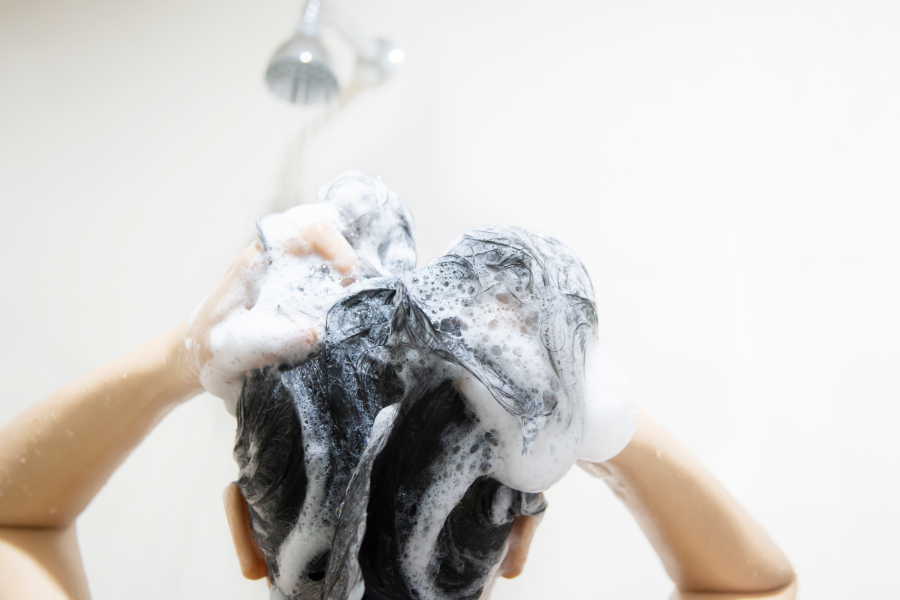
Shampoos don’t have a universal formula. Depending on price, target audience, and mottos like cruelty-free or vegan, the end product can vary significantly. But the final result is the same: a cleaning solution to strip away unnecessary elements from the hair and scalp.
Natural oils also get washed away, and that’s why the next step after shampoo is usually conditioner. This nourishes the hair and replenishes the healthy parts. In simpler terms, shampoo is made to target a specific audience. Sometimes it’s thin hair, sometimes it’s high porosity, and sometimes it’s simply to treat underlying hair problems like hair fall, dandruff, breakage, and so on.
All these terms can make anyone dizzy. And that’s why the next phase will simplify it even further into smaller bits. These bits will help in understanding various types of audience these shampoos aim for. And which one is the right one for you.
How to find the best shampoo for your hair
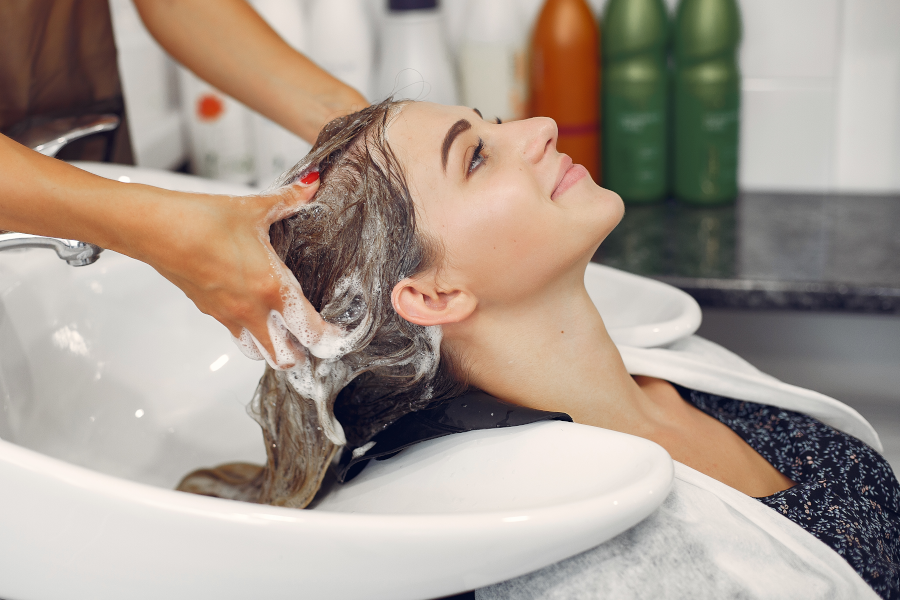
The most common thing shampoo products target is the hair type, followed by underlying causes like dandruff or any other hair-related problems. With that in mind, here’s a detailed breakdown of how to find the best shampoo for your hair:
Step 1: Understand the scalp type
Most oils end up in the scalp, and cleaning it is one of the main goals of a shampoo. So before picking any cleansing solution, first understand what type of scalp you have:
- Oily: Oils often end up in the scalp and give a greasy sensation in less than a day.
- Dry: Scalp may feel itchy or flaky.
- Sensitive: This type is prone to irritation and redness more than others.
- Balanced: The middle ground where the scalp is neither too oily, dry, nor sensitive to hair products.
Step 2: Hair type and texture
Next up is the hair. It also has multiple types, and each reacts to cleansing solutions differently. So knowing the right hair type also plays a big role in getting a good or bad solution for your hair:
- Fine or thin hair: Gets heavier easily and limits layering options.
- Medium hair: Holds everything well and is often considered the optimal hair type for any product.
- Thick or coarse hair: Can get frizzy easily and requires more moisture.
- Wavy or curly hair: Usually suffers from dryness and frizz.
- Straight hair: Oil and product build-up happens faster.
Step 3: Hair or scalp problems
Hair problems are also addressed in many solutions. Some target hair fall, while others target hair growth. Simply ask this question, “What am I trying to fix?” then look for that specific term. Here is a list of common hair and scalp problems that specific cleansing solutions fix:
- Dandruff
- Oily scalp / excess sebum
- Product and environmental buildup
- Scalp pruritus (itching)
- Folliculitis
- Dry scalp
- Dull hair
Step 4: Read the formula
Scalp, hair type, and underlying problems: these three will create a strong definition of the shampoo you are looking for. So the final step is to read the formula and highlights of the products and decide which one fits under your definition. For example:
- For dry hair: Look for formulas like Glycerin, Panthenol, or Hyaluronic Acid to hydrate your hair.
- Oily scalp: Absorbents like Activated Charcoal are excellent at removing oil.
- Damaged hair: Opt for formulas promoting hair strength and repair.
- For colored or dyed hair: Look for gentle and dye-safe formulas.
Conclusion
Cleansing the hair and scalp is so common that it feels uncommon not to do it. But a wrong step can turn this happy time into a big nightmare. But now you know how to avoid that and what kind of shampoo is best for your particular hair. And as always, make sure to follow StyleSpeak for more interesting topics on haircare routines just like this one.
Frequently Asked Questions
What is the best anti-dandruff shampoo for curly hair?
Ans. The Bare Anatomy Expert Anti-Dandruff Shampoo is often considered one of the best anti-dandruff shampoos for curly hair.
What is the best shampoo for hair growth?
Ans. The Brillare 6% Rosemary Shampoo with 2% Caffeine blend is known to be a good, if not one of the best, shampoo for hair growth.
What does ketoconazole do in shampoo?
Ans. Ketoconazole mainly targets the overgrowth of a lipophilic yeast known as Malassezia. It causes Dandruff and seborrheic dermatitis on the scalp.