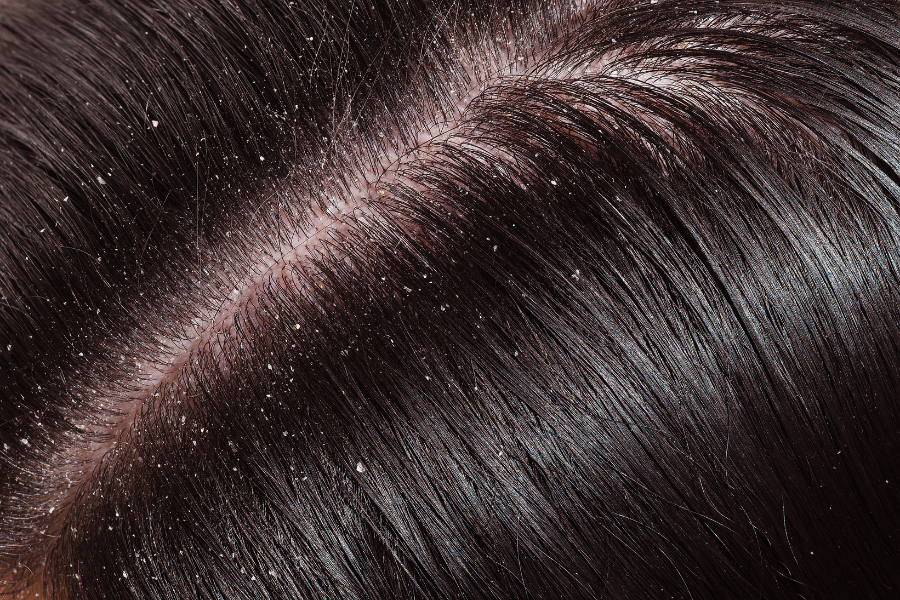

Dandruff and dry scalp are frequently conflated in popular discourse, yet dermatological research indicates that they arise from distinct physiological mechanisms and consequently require different management strategies. Dandruff is primarily attributable to the overgrowth of Malassezia, a lipophilic yeast that resides naturally on the human scalp, whereas dry scalp results from an insufficiency of moisture and sebum, analogous to xerosis observed on other areas of the body. Although both conditions manifest as visible flaking, the underlying pathology, clinical presentation, and appropriate treatment differ substantially.
The Underlying Mechanisms
The pathophysiology of dandruff has been the subject of extensive investigation. According to a genomic and microbiological analysis published in Scientific Reports, dandruff severity correlates with an imbalance between sebum production, moisture content, and the composition of scalp microorganisms, with Malassezia species playing a central but complex role in the process (Wang et al., Scientific Reports). A separate investigation published in the Journal of Investigative Dermatology demonstrated experimentally that oleic acid — a metabolic byproduct of Malassezia — induces visible flaking specifically in individuals who are already predisposed to dandruff, while producing no such effect in non-susceptible subjects. This finding supports the view that dandruff results from an interaction between fungal metabolism and individual susceptibility rather than fungal presence alone (Kerr et al., ScienceDirect).
Dry scalp, by contrast, is not fungal in origin. A comprehensive review in Mycopathologia notes that host-related physiological factors — including pH, hydration level, and sebum secretion — govern the overall equilibrium of the scalp environment, and that disruption of this equilibrium through environmental or lifestyle factors (harsh cleansers, low humidity, excessive washing frequency) can independently produce flaking without any fungal contribution (Saxena et al., Mycopathologia).
Differentiating Clinical Presentation
| Feature | Dandruff | Dry Scalp |
| Flake characteristics | Larger, oily, yellowish-white | Small, dry, white |
| Scalp sensation | Oily, irritated | Tight, rough, itchy |
| Associated dryness elsewhere | Uncommon | Common |
| Response to washing frequency | Worsens with infrequent washing | Worsens with over-washing |
| Response to moisturizing products | Minimal or worsens | Improves |
Evidence-Based Treatment Approaches
For dandruff, therapeutic efficacy has consistently been linked to a reduction in scalp Malassezia load. Antifungal and antimicrobial agents — including zinc pyrithione, ketoconazole, and selenium sulfide — remain the standard of care, and clinical trial data comparing a leave-on antidandruff formulation to a marketed zinc pyrithione shampoo confirmed measurable improvement in dandruff severity with active antifungal treatment (Ranganathan et al., PMC). A recent formulation study evaluating a synergistic herbal treatment against Malassezia furfur and Staphylococcus epidermidis further illustrates how directly targeting the fungal and bacterial components of dandruff can improve outcomes (case study, PMC).
Dry scalp, conversely, responds to interventions that restore barrier lipids and reduce moisture loss, such as sulfate-free cleansers, reduced washing frequency, and the use of emollients or humectants.
When to Seek Dermatological Evaluation
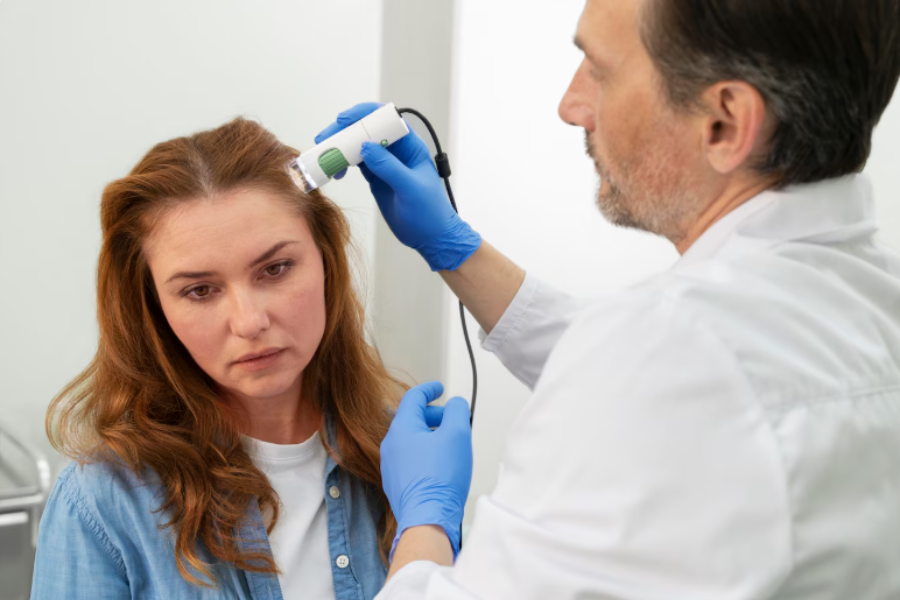
Persistent flaking that fails to respond to several weeks of appropriate over-the-counter treatment, or that is accompanied by significant erythema, swelling, or thickened, scaly plaques, warrants formal dermatological assessment, as such presentations may indicate seborrheic dermatitis, psoriasis, or a secondary infection rather than uncomplicated dandruff or dry scalp.
Frequently Asked Questions
Can dry scalp progress into dandruff? Not directly, though severe dryness and irritation can produce a flaking pattern that superficially resembles dandruff, and misapplied treatment for either condition can exacerbate the other.
Is dandruff an indicator of poor hygiene? No. Dandruff results from individual sensitivity to a yeast that is present on nearly all human scalps and is not a marker of inadequate hygiene.
Is dandruff contagious? No. Because Malassezia is already a normal component of the scalp microbiome in most individuals, dandruff is not transmissible between people.
Should washing frequency be reduced for dandruff? No — the available evidence indicates the opposite. Reduced washing frequency allows oil and fungal byproducts to accumulate, typically worsening dandruff, whereas regular use of a medicated shampoo improves outcomes.