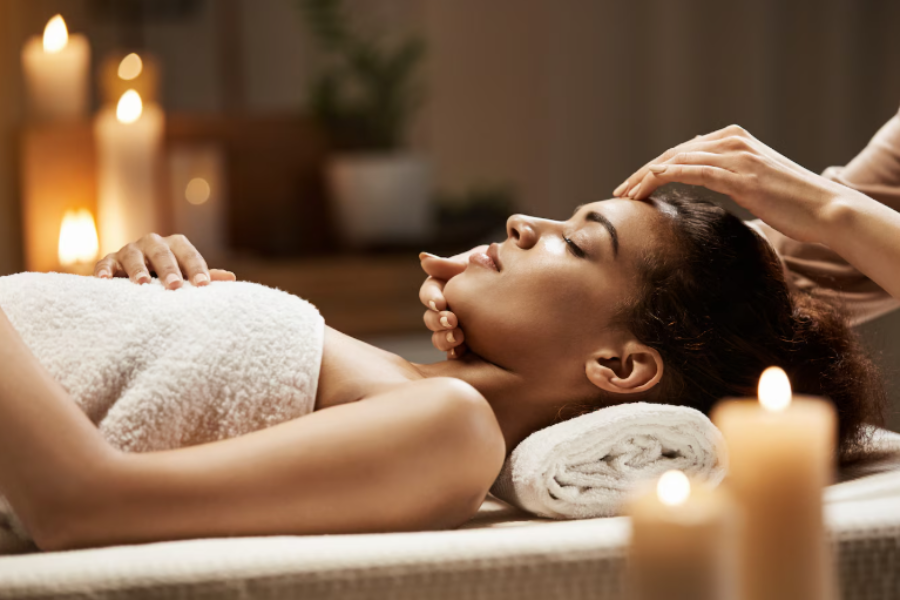

Travellers no longer plan holidays only around sightseeing. More of them want rest, healing and preventive care. India, with its long Ayurveda and yoga heritage, is in a strong position to serve them.
This guide explains why spa tourism is growing and what travellers look for. You will see which treatments and regions lead, which trends are rising and how your spa can prepare. Use it to decide where to invest next.
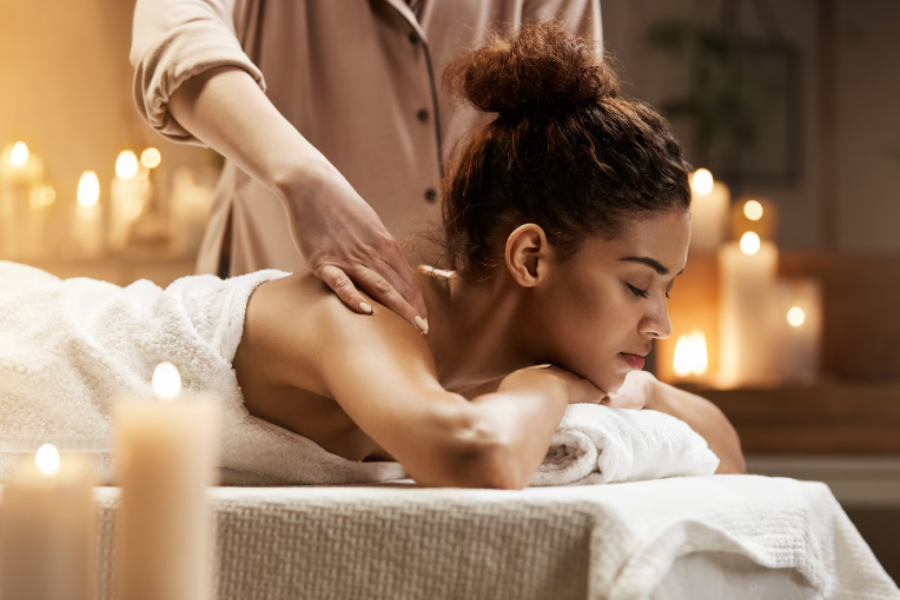
Why Spa Tourism in India Is Growing
First, look at what drives demand. Wellness travel is rising worldwide, and India has a clear advantage. Its healing systems are thousands of years old and widely known.
Several factors push travellers toward wellness holidays:
- Rising urban stress and digital burnout
- Growing disposable income
- A shift from treating illness to preventing it
- Interest in authentic, traditional therapies
Government support helps too. India offers e-Tourist visas for leisure and wellness. It also has dedicated Ayush and e-Medical visas for formal treatment. Rules change, so always check current requirements before you advise guests.
Relaxation Spa or Medical Ayurveda?
Next, know the difference between two models. Guests ask about it, and honest labels build trust.
- Relaxation spas offer massages and pampering. There is usually no medical oversight.
- Medical Ayurveda retreats are led by qualified BAMS physicians. They use pulse diagnosis, personal plans and strict protocols.
Be clear about which one you are. Do not market a relaxation spa as medical care. Guests with health conditions need to know who is treating them.
Treatments Travellers Look For
Travellers often search for signature Ayurvedic therapies. Make sure your team can explain each one:
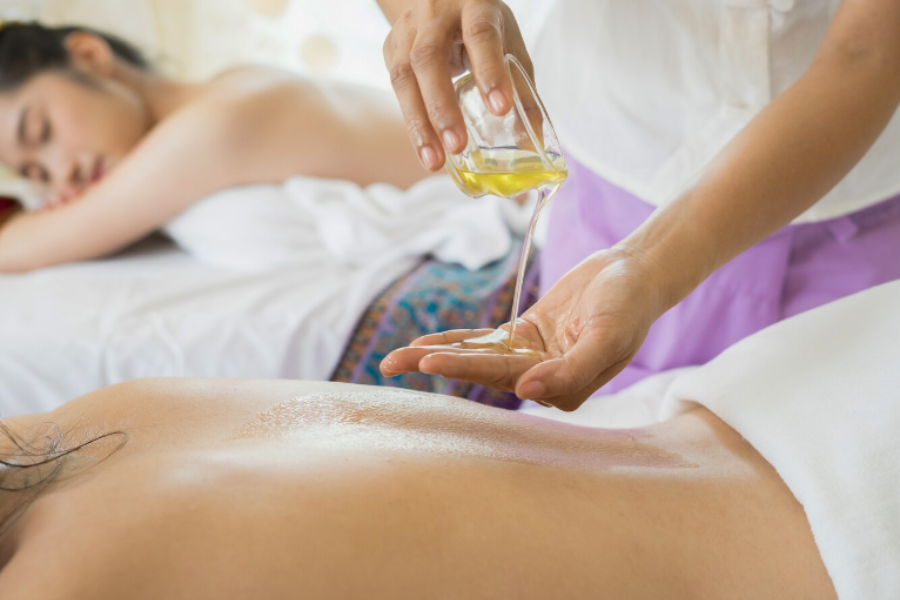
- Abhyanga: A synchronised oil massage, often by two therapists
- Shirodhara: Warm oil poured slowly over the forehead to calm the nervous system
- Panchakarma: A detox programme that runs for several days to weeks
- Pizhichil and Njavarakizhi: Medicated oil baths and herbal rice treatments
Many guests also want yoga and meditation. Movement classes and silent retreats complement physical treatments well. If you cannot run them yourself, partner with a trusted local teacher.
Where Spa Tourism in India Is Strongest
Spa tourism in India clusters in a few regions. Knowing them helps you position your spa.
- Kerala: The home of authentic Ayurveda, with a warm climate and backwaters.
- Uttarakhand and Rishikesh: Himalayan retreats and the yoga capital of the country.
- Rajasthan and North India: Luxury palace and heritage spas.
- Mysuru and South India: Known for Ashtanga yoga and quiet holistic retreats.
You do not need to be in one of these regions. However, you can borrow their strengths. A city spa can offer short Ayurvedic programmes and stress-relief packages for visitors.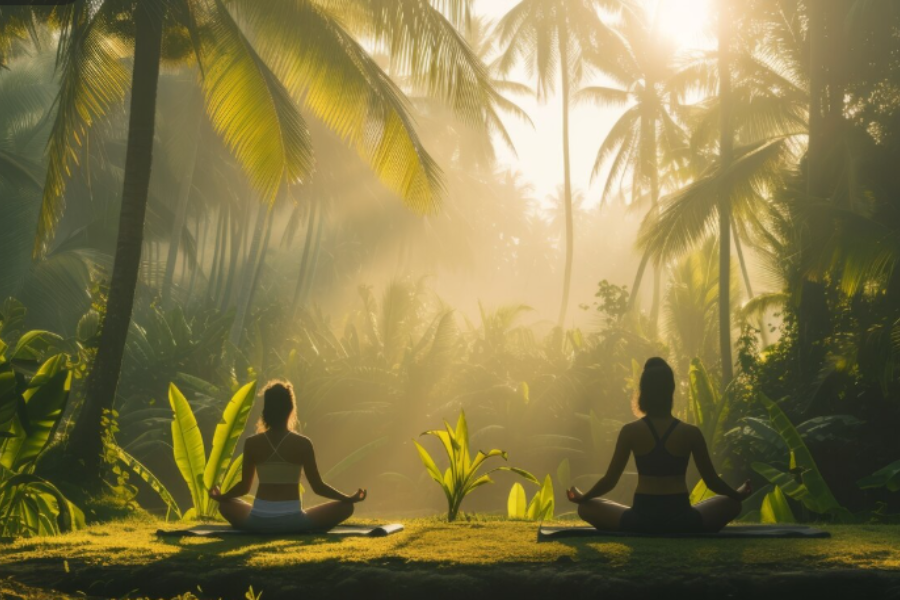
Trends Shaping Spa Tourism in India
Finally, watch three trends:
- The “glow-cation.” Guests combine traditional Ayurvedic gut and skin care with modern radiance goals.
- Digital detox. Phone-free zones and mindfulness programmes help guests fight mental fatigue.
- Eco-conscious stays. Sustainable buildings, organic food and farm-to-table meals appeal to many travellers.
Each trend is easy to test on a small scale. For example, offer a phone-free morning session or an organic meal option first.
How Your Spa Can Prepare
Now, turn the trend into action. Follow these steps.
1. Build Packages by Length of Stay
Travellers think in days, not single treatments. Offer clear options:
- 5–7 days: Relaxation and stress relief
- 10–14 days: A minimum for a meaningful Panchakarma detox
- 21+ days: A deeper reset for long-standing health concerns
2. Plan for the Season
Monsoon, from June to September, is often considered the best time for Ayurvedic treatment in Kerala. Many guests believe the body absorbs oils better then. Consider seasonal offers to fill slower months.
3. Show Your Credentials
Display doctor qualifications and therapist training. Ask guests about health conditions before treatment. Trust is your best marketing tool.
4. Prepare Guests Before They Arrive
Send simple advice by message or email. Suggest loose cotton clothes and dark outfits that can handle oil. Ask them to share any health conditions in advance.
5. Partner and Market Smartly
Work with tour operators, hotels and wellness travel agents. Share clear prices and inclusions. Ask happy guests for reviews, and show real photos of rooms and treatments.
Common Mistakes to Avoid
Many spas rush in and then struggle. Avoid these errors:
- Over-promising results. Never claim a cure. Describe benefits honestly.
- Copying a luxury resort. Price and style must match your location and skills.
- Ignoring hygiene and safety. Clean rooms, fresh linen and safe oils matter to every guest.
- Skipping staff training. Therapists should explain each treatment in simple English and in local languages.
- Having unclear prices. List what is included, such as meals, stay and consultations.
Fix these basics first. Then your spa tourism offer will be easier to sell and easier to defend.
Conclusion: Is Spa Tourism Right for Your Spa?
Spa tourism rewards honest, well-run spas with clear packages and trained staff. Start small. Pick one or two packages, train your team and test them with a few partners.
Then track bookings, reviews and repeat visits. If demand grows, expand. If not, adjust before you invest more.
FAQ About Spa Tourism in India
What is the difference between an Ayurvedic spa and a retreat?
A spa offers relaxation treatments without medical oversight. A retreat is led by qualified physicians with personal plans and strict protocols.
How long should a wellness package be?
It depends on the goal. Five to seven days suits relaxation. A detox needs at least 10 to 14 days.
Is spa tourism suitable for solo travellers?
Yes. Structured programmes in a safe, calm setting suit solo travellers well.
Do international guests need a special visa?
Many wellness visitors use an e-Tourist visa. Formal medical treatment may need an Ayush or e-Medical visa. Guests should check current rules.