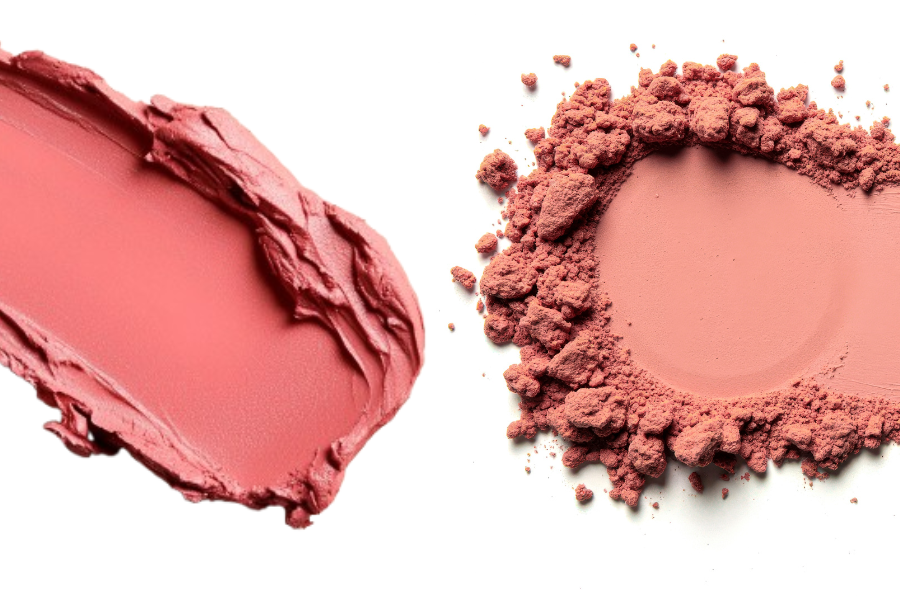

Every client wants a makeup look that appears like they have a natural flush on their face. But this depends on the decision you need to make, which is choosing between a cream vs powder blush for your client.
The finish, longevity and compatibility with your client’s skin all come down to the formula of your blush. You can have the perfect shade but the wrong formula and your client’s makeup can end up looking patchy after some time.
This blog answers all questions related to the “cream blush vs powder blush” debate and helps you understand which one is better for each client.
The Quick Answer
Is cream blush better than powder? The short answer is that it depends on your client’s skin.
Cream blush leaves a dewy and skin-like finish that is suited for dry, mature and normal skin types. On the other hand, powder blush offers a matte and satin finish that works for oily and combination skin types.
Cream Blush: The Secret To Skin-like Glow
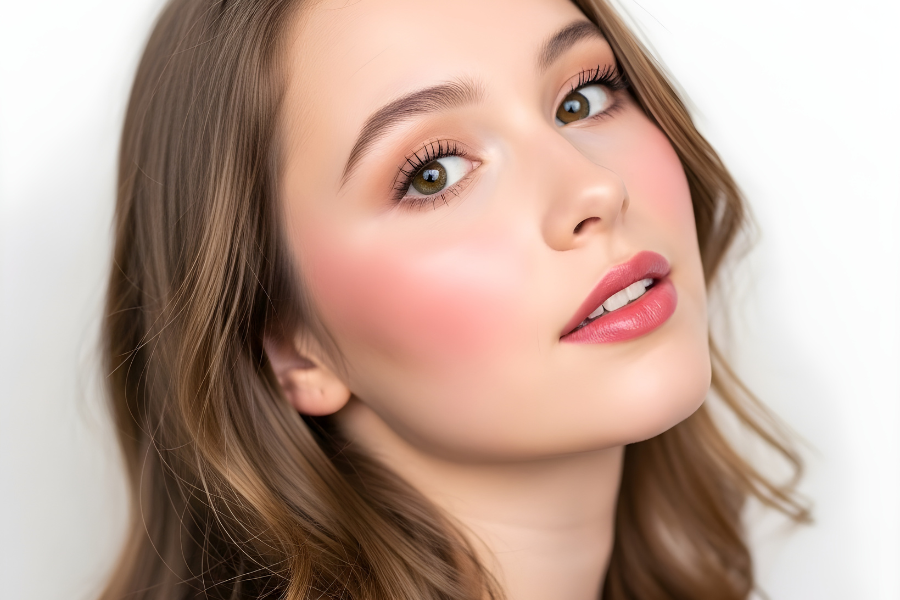
What Is Cream Blush: Why Clients Love It
Cream blush could be a favorite for your clients who like natural makeup that doesn’t even look like makeup. It has a creamy texture that melts into your skin and leaves a soft colored glow.
It’s the reason behind the effortlessly glowing makeup looks that you’ve seen on celebrities. Cream blush is also an easy-to-use product. You just dab it on your cheeks, blend it in and you’re done.
Cream blush is an ideal formula for clients that have dry to normal skin types, as it doesn’t make any dry rough patch stand out the way powder does.
What Makes Cream Blush Work
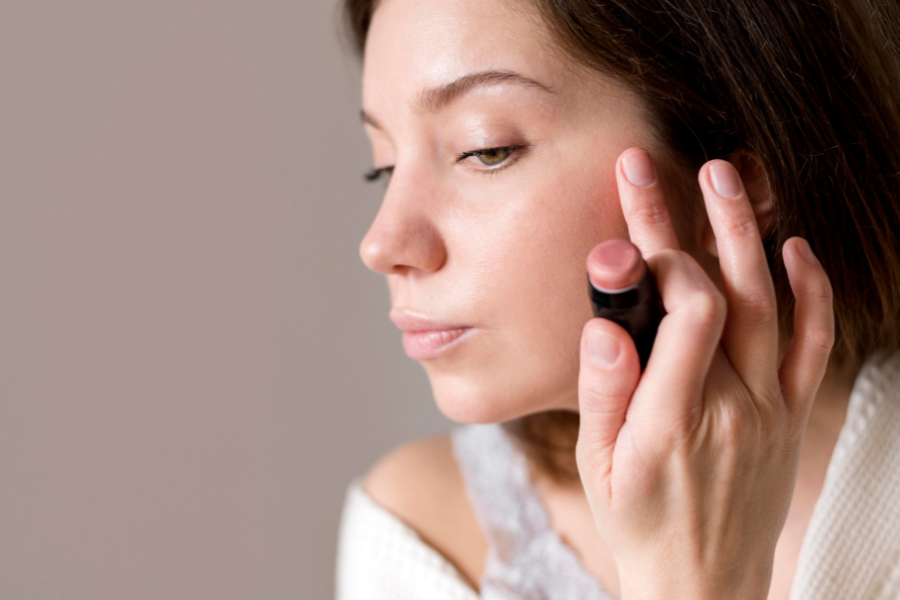
A Dewy Skin-like Finish
Cream blush adds a natural glow to your face and doesn’t cling on to the dry patches on your skin. This is why it works well on dry skin.
Melts Into Your Skin
The formulation of a cream blush makes it easy for you to blend it in perfectly and even build up the pigment as desired. When you blend the cream blush with clean hands, the warmth makes it melt into your skin and leave a glow-from-within look.
One Product, Three Uses
Some cream blushes can be applied on your eyes and lips as well, all thanks to the creamy and blendable formula. One cream blush can be applied as a pop of color on your cheeks and also as eyeshadow or lip makeup.
When Should You Reach For A Cream Blush
Cream blush can be offered to clients with dry, normal and mature skin types or anyone who wants natural rosy cheeks. Cream blush is also good for bridal and editorial shoots where the client’s makeup needs to look skin-like from up close.
Powder Blush: The Timeless Essential
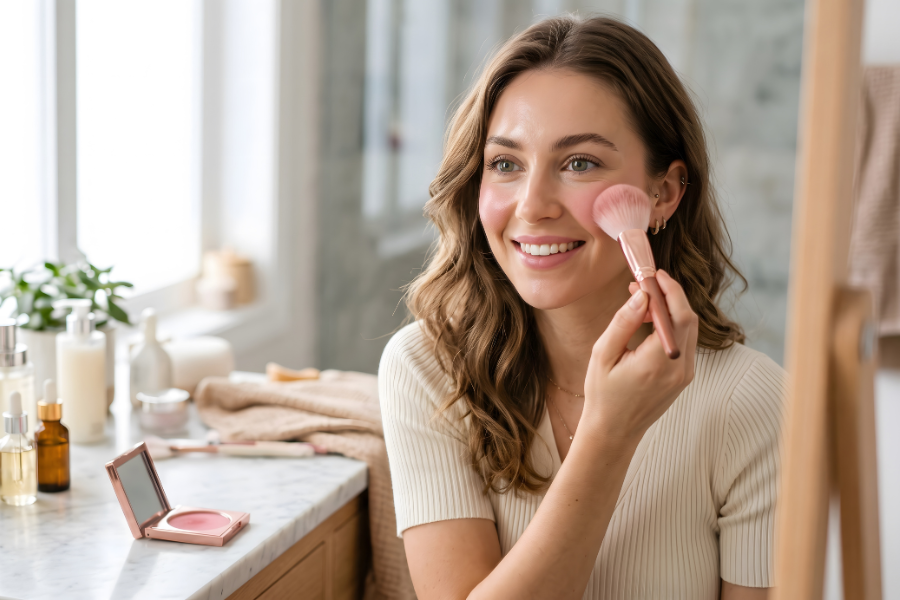
Powder blush has been around for a long time and every makeup professional has one in their kit. The powder blush formula is one that you can always depend on.
Using a powder blush lets you build up the color gradually and it also offers a long wear time. For your clients with oily skin, always reach for the powder blush formula because it sits well on the skin and controls shine. Powder blush offers a polished finish that lasts even through the humid weather.
Why Pros Still Swear By Powder Blush
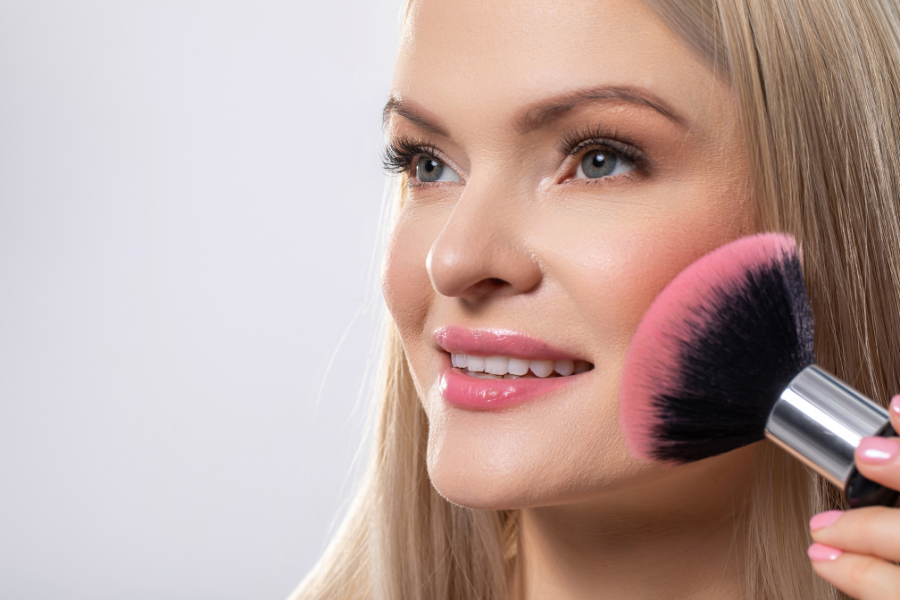
Beats Shine And Humidity
Powder blush helps absorb the oil from your skin’s surface and also set the makeup a little. This makes powder blush a reliable product for oily skin and long wear.
Easy To Build Up
The fine powder blush formula offers control to build up the pigment and create a soft flush or a bold statement with it.
Wide Range Of Shade And Finish
Powder blush is available in a variety of finishes such as matte and shimmer. There’s also a perfect shade for every undertone and complexion. So you can use the right one for every client.
Is Powder Blush Right For Your Client
Powder blush is recommended for your clients with oily or combination skin who need a long-wear makeup look. Powder blush suits the overall matte makeup that is done to control shine.
Match The Formula To The Skin: Cream Blush vs Powder Blush
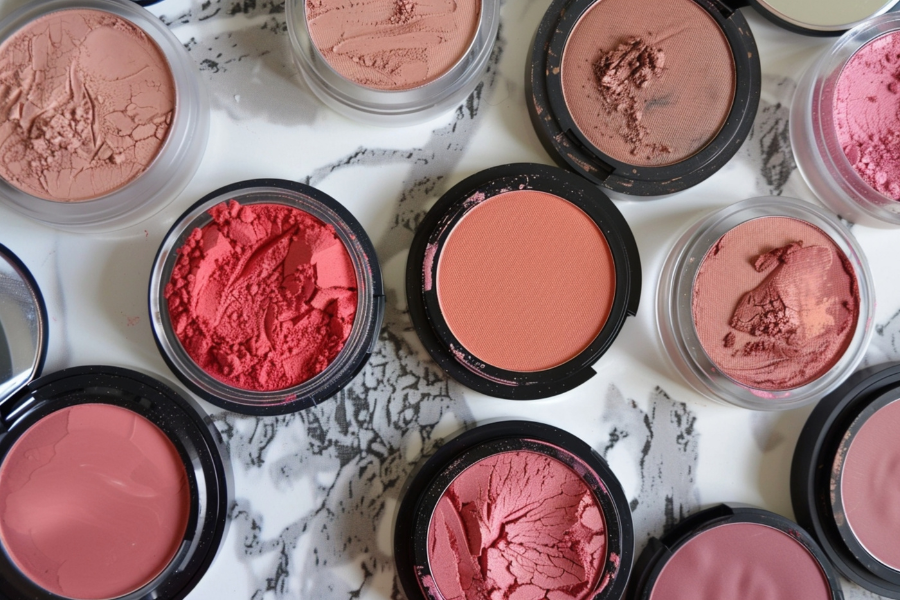
Dry Skin
If your client has dry skin, a cream blush is advantageous. The creamy formula applies smoothly over dry and rough patches without clinging on to it. Powder blush can cling to dry areas and enhance the appearance of texture.
Oily Skin
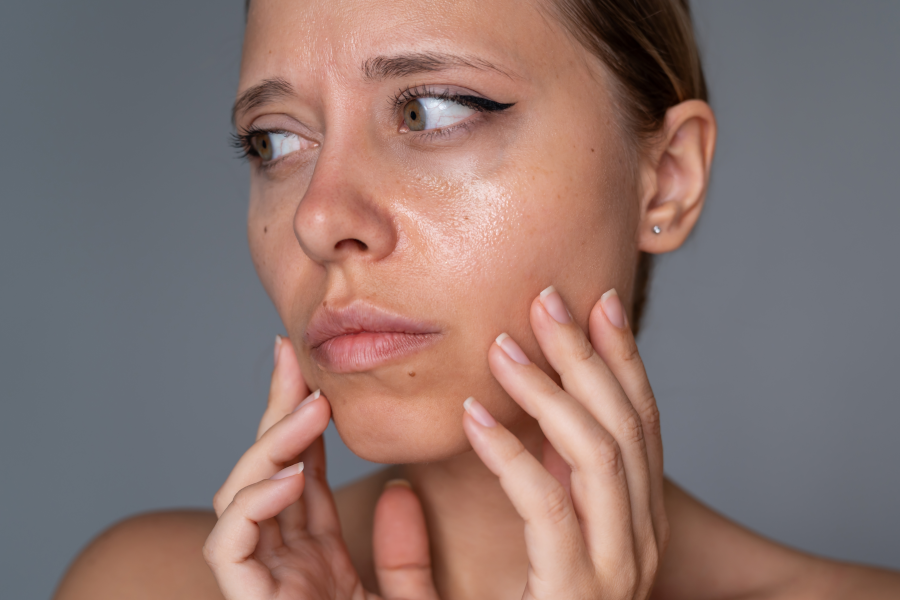
For clients with oily skin, powder blush can payoff well. It controls the shine on the face without drying out the skin and creates a soft focus effect. Cream blush can add more shine to oily face and melt away after a few hours.
Mature Skin
Clients with mature skin benefit from cream blush. It blends into the skin seamlessly and adds a youthful glow. Powder blush can settle into fine lines and create a flat makeup look.
Normal Skin
If your client has just a normal regular skin type, either powder or cream blush works. Cream blush works during the day to add a healthy glow to the face. Powder blush works for humid weather, long events and nighttime looks.
The Pro Trick: Layering Cream Blush And Powder Blush
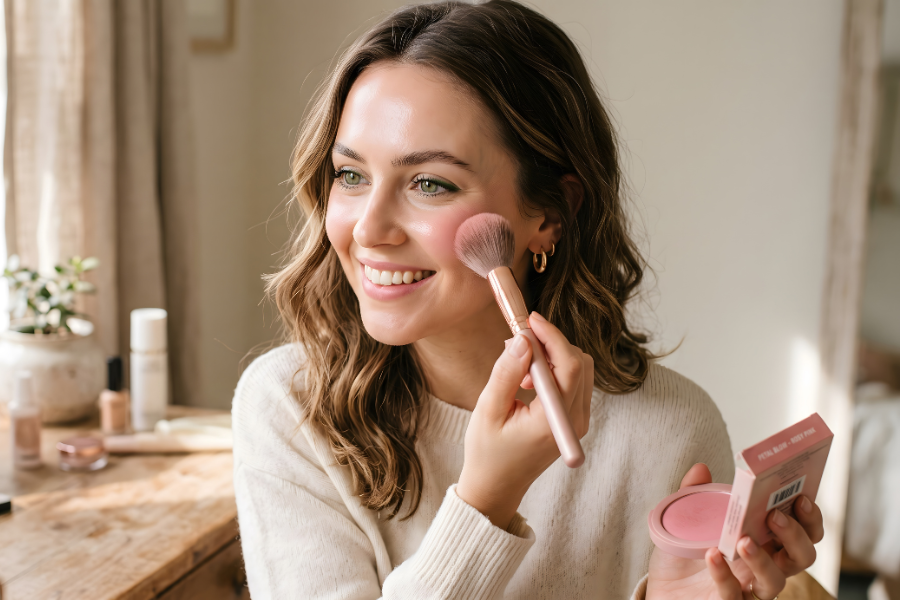
You don’t have to always stick to one of the two formulas. You can layer both cream and powder blush for extra pigment and longer staying power.
So how to layer cream and powder blush? The rule is that cream is applied before powder. So dab and blend in a cream blush and then add a similar shade of powder blush over it. Adding powder after cream helps deepen the pigment as well as set the cream blush for long wear.
Layering powder and cream blush is a trusted trick amongst makeup professionals and is mostly used for bridal, wedding, and event makeup.
The Final Word
Cream blush offers a natural and comfortable glow while powder blush offers shine control and longevity. As a makeup professional choosing a blush formula for your client, you need to understand your client’s skin and choose the right match. Keep both powder and cream blush at hand for a layered makeup look.
Your Blush Questions Answered
How to apply powder blush without a brush?
To apply powder blush without a brush, use a makeup sponge or powder puff. Press the product on your skin instead of swiping across. Apply it on your cheeks and blend it upwards.
Do I need both cream and powder blush?
No, you don’t need both powder and cream blush. One of either works well for most of the times. Cream blush offers a dewy look suitable for dry skin while powder blush stays on longer for oily skin. Layering both can make your blush stay for longer hours.
What are the downsides of using cream blush?
Cream blush can fade faster on oily skin, can be easily overapplied and blending can be difficult if your base has been set.
What type of blush is best for combination skin?
For combination skin, the best type of blush is a powder blush. It helps control shine on the oily areas and lightly sets the cream and liquid makeup. First apply moisturizer or cream blush on the dry areas if you’re using powder blush.