
Your skin is a living shield, home to trillions of bacteria, fungi, and viruses that quietly dictate how your skin looks and feels day to day. It’s not so different from your gut microbiome, another vast, dynamic microbial community that dermatologists increasingly view as a template for understanding skin health. In both cases, diversity and balance matter far more than sterility, and disrupting either system tends to cause problems rather than solve them.
Traditional harsh cleansers and everyday environmental stressors strip this ecosystem down, and that stripping is a real driver of chronic skin issues, not just an aesthetic inconvenience. The tightness you feel after a strong cleanser, the sudden breakout after a stressful week, the dullness that sets in during winter, all of these have a microbial dimension that skincare has historically ignored in favor of treating symptoms directly.
True, long-term skin health isn’t something you get by scrubbing your skin clean. It requires embracing the science of biotic skincare and actively working to balance your skin’s microbial ecosystem, rather than fighting against it.
Understanding the Microbial Ecosystem: What Is the Skin Microbiome?
Resident vs. Transient Microbes: Your Skin’s Native Shield
Microorganisms on your skin generally fall into two categories. A historical review of skin microbiome research describes resident microbes as permanent inhabitants that colonize the surface of your skin and re-establish themselves even after disruption, like washing. These are harmless commensals, not pathogens. Transient microbes, by contrast, are picked up from your environment and don’t establish permanent residence; they’re generally non-pathogenic under normal conditions, but they can become opportunistic if your skin barrier is damaged or your resident flora is disrupted.
Crucial Protective Roles
Your resident microbiome does several distinct jobs at once. It provides barrier defense, physically and chemically protecting your body from pathogenic invasion. It contributes to hydration control, helping seal in moisture and maintain optimal skin hydration. And it plays a role in immune regulation, communicating directly with your skin’s immune cells to help regulate inflammatory responses rather than letting them run unchecked.
The Consequences of Dysbiosis
When environmental stressors, pH imbalances, or harsh skincare habits disrupt this delicate composition, a state called dysbiosis, the fallout tends to follow a predictable pattern: increased sensitivity, breakouts, and accelerated visible aging. A foundational review in Nature Reviews Microbiology describes this kind of imbalance as closely tied to a range of common skin conditions, since a disrupted microbiome loses much of its ability to compete against harmful organisms and regulate local inflammation.

The Science of Biotic Skincare: Prebiotics, Probiotics, and Postbiotics Demystified
Prebiotics — Selective Nutrition to Feed Your Good Bacteria
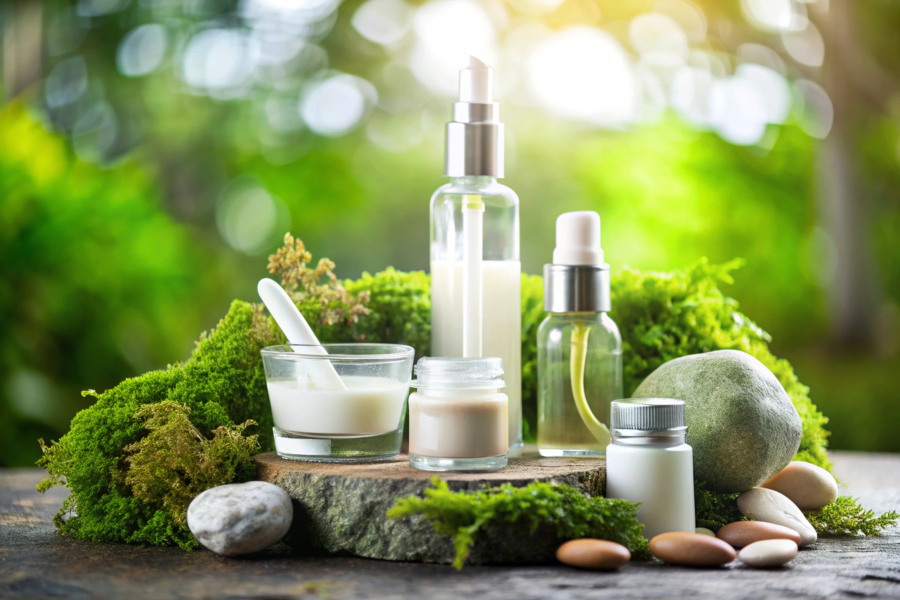
Prebiotics are non-digestible plant fibers or carbohydrates that act as food for the beneficial bacteria already living on your skin. Common examples include inulin (derived from chicory root), alpha-glucan oligosaccharide, beta-glucan, glucose, and fructose. Research on alpha-glucan oligosaccharide specifically shows it can selectively promote the growth of desirable skin bacteria while competitively inhibiting pathogenic species like S. aureus, the exact mechanism that makes prebiotics work: they selectively stimulate good microbes, including Lactobacillus, Bifidobacterium, and beneficial staphylococci, while starving out harmful overgrowth.
Probiotics — Introducing Live Beneficial Microbes to Restructure Balance
Probiotics are live, beneficial microorganisms applied topically to directly restore microbial balance. This category includes live cultures, fermented ingredients, and probiotic extracts derived from Lactobacillus and Bifidobacterium strains. Their function is fairly direct: they outcompete pathogens for space and resources, help calm severe inflammation, offer some protection against photoaging, and can promote faster wound healing.
Postbiotics — Harnessing Stable Fermentation Metabolites for Barrier Repair
Postbiotics are the stable, non-living, bioactive compounds, including peptides, enzymes, and organic acids, produced during probiotic fermentation. Common examples include lactic acid, hyaluronic acid, and various antimicrobial peptides. Because postbiotics are already stable, they can reinforce the lipid barrier, prevent trans-epidermal water loss (TEWL), work against acne-causing bacteria, and stimulate collagen and elastin production, all without the formulation headaches that come with keeping live bacteria alive in a jar.

Balancing the Skin Microbiome with a Symbiotic Biotic Skincare Routine
The Power of Synbiotics: Why Prebiotics and Probiotics Work Best Together
Each biotic category is genuinely useful on its own, but combining them, an approach called a symbiotic or synbiotic routine, tends to produce the most potent results. Prebiotics act as the food supply that guarantees any applied probiotics can actually survive, multiply, and go on to generate a steady stream of active postbiotics, rather than dying off shortly after application.
Formulating Your Daily Biotic Skincare Regimen Step-by-Step
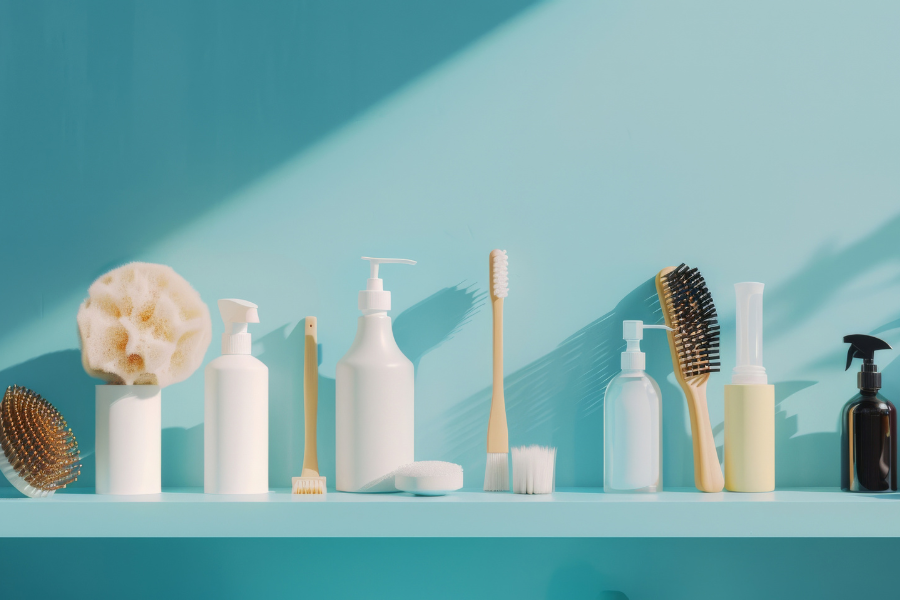
Step 1: Cleanse with care. Choose a prebiotic-infused cleanser, ideally something gentle like a cream cleanser built around niacinamide and kaolin clay, that nourishes the microbiome while it removes impurities instead of stripping them away along with everything else.
Step 2: Treat with serums and moisturize. Apply biotic serums and moisturizers, such as postbiotic-rich protective creams or prebiotic barrier creams, to lock in hydration and reinforce your skin’s own defense mechanisms.
Step 3: Protect. Biotics don’t replace sun protection under any circumstances. A broad-spectrum SPF is still mandatory to shield your microbiome itself from UV-induced degradation, not just to prevent sunburn.
Pro Tips: Patch Testing, Slow Introductions, and Sun Protection
Introduce one new product at a time so you can actually tell what’s working, or what isn’t. Take the time to understand your specific skin concerns, and patch-test any new formulation before applying it to your full face. Keep your expectations realistic on timing, too: hydration improvements can show up quickly, but complete microbiome rebalancing takes several weeks of regular, consistent use.
Combatting Skin Concerns Using the Science of Biotic Skincare
Alleviating Acne-Prone Skin and Reducing Follicle-Clogging Inflammation
Probiotics work to outcompete acne-causing pathogens directly while calming the local immune response that drives follicle-clogging inflammation. Postbiotic antimicrobial peptides can specifically target Cutibacterium acnes (formerly Propionibacterium acnes). Real clinical data backs this mechanism: a 2025 clinical study of a prebiotic gel cream containing inulin and FOS found six weeks of use reduced total acne lesions by 35.9%, driven by a more than 5,000-fold increase in a healthy, non-acne-associated C. acnes strain rather than by directly killing bacteria outright.
Reversing Premature Aging and Protecting Collagen Reserves
Older skin experiences measurable shifts in its microbial composition, and those shifts are linked to accelerated collagen degradation. Probiotic and prebiotic routines are formulated to help protect existing collagen and elastin, reduce oxidative stress, and counteract some of the visible effects of UV-induced aging over time, working alongside, not instead of, your regular sun protection.
Sensitive & Reactive Skin
Balancing the microbiome doesn’t just address visible symptoms, it also appears to calm some of the broader signaling networks tied to skin reactivity. Regulating the cytokine signaling molecules involved in local inflammation helps lower the frequency and intensity of flare-ups for genuinely reactive skin types, which is part of why biotic ingredients show up so often in products aimed at sensitive skin specifically.
Dryness & Dehydration
A compromised barrier struggles to hold onto water, and that’s where postbiotics like lactic acid and hyaluronic acid earn their keep. Both work to replenish the lipid barrier directly, helping stop ongoing moisture loss while improving your skin’s overall water retention. This matters more than a simple humectant would on its own, since the underlying microbial imbalance driving the dryness gets addressed at the same time as the surface-level dehydration.
Relieving Eczema, Rosacea, Psoriasis, and Compromised Barriers
Some of the strongest clinical evidence in the entire biotic skincare category involves eczema specifically. A prospective, randomized, double-blind, placebo-controlled trial of a 5% Vitreoscilla filiformis lysate cream in 75 volunteers with atopic dermatitis found it significantly decreased SCORAD severity scores and reduced itching compared to placebo over 30 days, while also reducing S. aureus colonization and improving barrier function. Research on rosacea and psoriasis is earlier-stage by comparison, but both conditions are being actively studied for their response to microbiome-balancing biotic approaches.
Conclusion: The Future of Biotic Skincare and Ecosystem Health
Embracing Holistic, Ecosystem-First Skincare
The future of skincare is genuinely holistic, moving steadily away from harsh, stripping chemicals and toward nurturing your skin’s own natural defenses instead. On the horizon, expect to see more advanced, personalized skincare formulations, clinical-grade biotic procedures, and increasingly sustainable production methods as this research area continues to mature.
Professional Consultation and Your Next Steps
If you’re dealing with a severe or persistent skin concern, biotic skincare is a genuinely useful supportive strategy, but it isn’t a replacement for professional care. Consult a dermatologist or clinical skincare professional to build a routine tailored specifically to your skin’s needs, especially if you’re managing a chronic condition like eczema, rosacea, or persistent acne. A professional can also help you sequence biotic ingredients alongside any prescription treatments you’re already using, since timing and layering can make a meaningful difference in how well both approaches work together.
Frequently Asked Questions About Biotic Skincare and Microbiome Balancing
What is the difference between prebiotics, probiotics, and postbiotics in skincare? Prebiotics are plant-derived nutrition that feeds your skin’s existing good bacteria. Probiotics are live, beneficial microorganisms introduced directly to help restore ecosystem balance. Postbiotics are stable, non-living metabolic byproducts, like lactic acid or peptides, that actively repair the skin barrier and work against harmful pathogens.
Can you use prebiotics and probiotics together? Absolutely. Combining them creates what’s known as a synbiotic relationship. The prebiotics nourish the probiotics, helping the live beneficial bacteria flourish, multiply, and work at their full potential to protect your skin.
Who benefits most from a biotic skincare routine? A balanced microbiome matters for everyone, but people with a compromised skin barrier, high sensitivity, acne-prone skin, eczema, rosacea, or persistent dryness tend to see the most noticeable relief from a biotic-focused routine.
Are there any side effects to using biotic skincare products? Topical biotic skincare is generally very safe, gentle, and suitable across skin types. Oral biotic supplements are a slightly different story: some people experience temporary digestive adjustments, like mild gas or bloating, when first starting them. Always patch-test new topical products, and check with your dermatologist before starting any oral supplement.