

Your hair soaks up water in seconds. Then, minutes later, it’s already bone dry again. If that sounds familiar, you’re not doing anything wrong. You likely have high porosity hair.
This is the sponge paradox. High porosity hair absorbs moisture fast, but it loses that moisture just as fast. The result is frizz, tangles, dullness, and strands that break more easily than you’d like.
In this guide, you’ll learn the science behind hair porosity, a simple at-home test to confirm your hair type, and 10 expert-backed tips to bring your hair back to life. Let’s start with what’s actually happening inside each strand.
Understanding the Science: What Is High Porosity Hair?
The Microscopic View: Raised Cuticles and Gaps
Every strand of hair has an outer layer called the cuticle. Think of it as a stack of tiny, overlapping scales, similar to shingles on a roof. When those scales lie flat, moisture stays locked inside the hair shaft.
In high porosity hair, the cuticle scales are raised and spread apart instead of lying flat. As Healthline explains, when cuticles sit too far apart, moisture can get into the hair easily, but it doesn’t stay long enough to nourish or hydrate the strand.
Picture a piece of yarn that’s starting to fray. Instead of a smooth, tight strand, you see raised fibers sticking out in every direction. That’s what a porous cuticle looks like under a microscope, and it’s why porous hair often looks rough, dull, and frizzy even right after a wash.
Genetics vs. Damage: What Causes Highly Porous Hair?
High porosity hair can come from two places.
- Genetics. Naturally curly, coily, or wavy hair tends to have cuticles that lift more easily. Color Wow notes that high hair porosity is typically a genetically inherited trait, especially in curl and coil patterns.
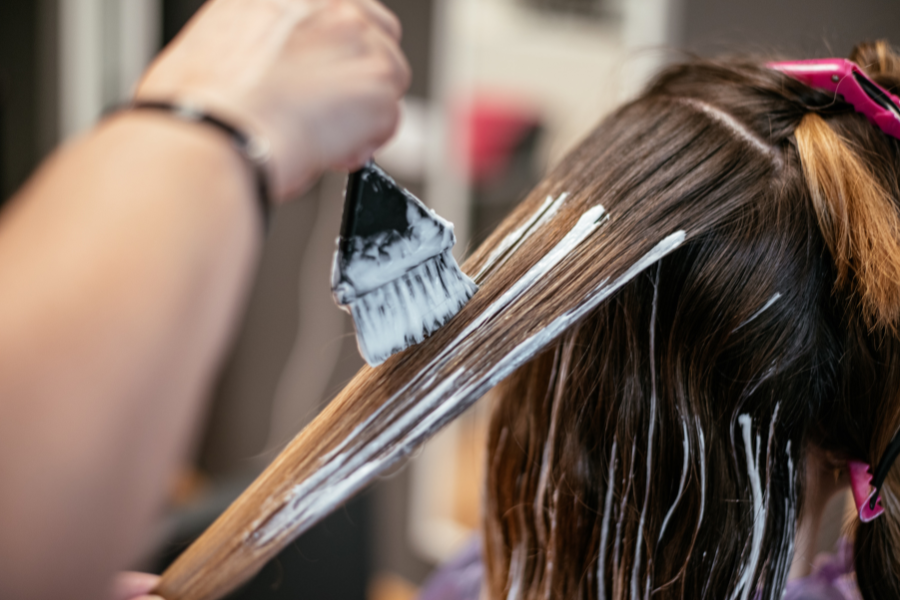
- Acquired damage. Chemical treatments like dye, bleach, and perms can force the cuticle open. So can frequent heat styling and everyday mechanical friction, including rough brushing, tight buns, and over-washing.
Most people with high porosity hair deal with a mix of both. Curl pattern sets the baseline, and years of styling habits push porosity even higher.
Is Your Hair Highly Porous? Signs to Look For
Telltale Observational Symptoms
You don’t need lab equipment to spot high porosity hair. Pay attention to how your hair behaves day to day.
- Rapid absorption, instant evaporation. Your hair soaks up water and product quickly, but it dries out again within hours.
- Chronic frizz and tangling. Open cuticles catch on nearby strands, leading to knots and frizz, especially in humid weather.
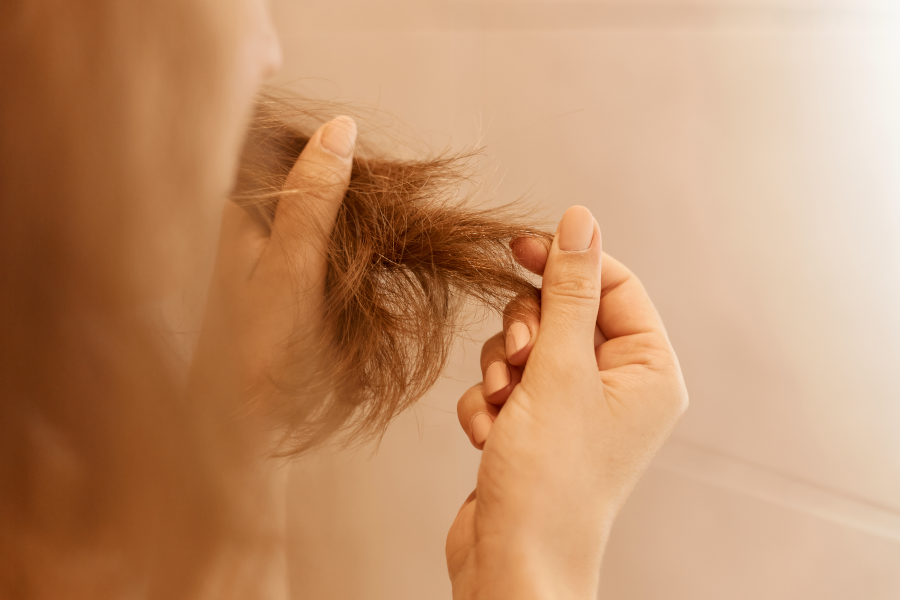
- Brittleness and damage. Split ends, dullness, and breakage happen more often than they should.
If two or more of these sound like your everyday hair reality, there’s a good chance porosity is the root cause.
The DIY Water Float Test: How to Test Hair Porosity at Home
Want a clearer answer? Try this simple test at home.
- Fill a glass with lukewarm or room-temperature water.
- Drop in a clean strand of hair, free of any product.
- Watch what happens over the next few minutes.
Here’s how to read the results, based on the same method described by dermatology-reviewed source MDhair:
- Sinks to the bottom quickly: High porosity
- Floats in the middle: Medium or normal porosity
- Floats at the top: Low porosity
A strand that sinks fast is telling you the cuticle is wide open and absorbing water with little resistance. That’s your cue to build a routine around sealing in moisture, not just adding more of it.

The Essential High Porosity Hair Care Routine: 10 Expert Tips
High porosity hair isn’t hard to manage once you understand what it needs. Here are 10 tips to build into your routine.
1. Cleanse Gently with a Sulfate-Free Shampoo
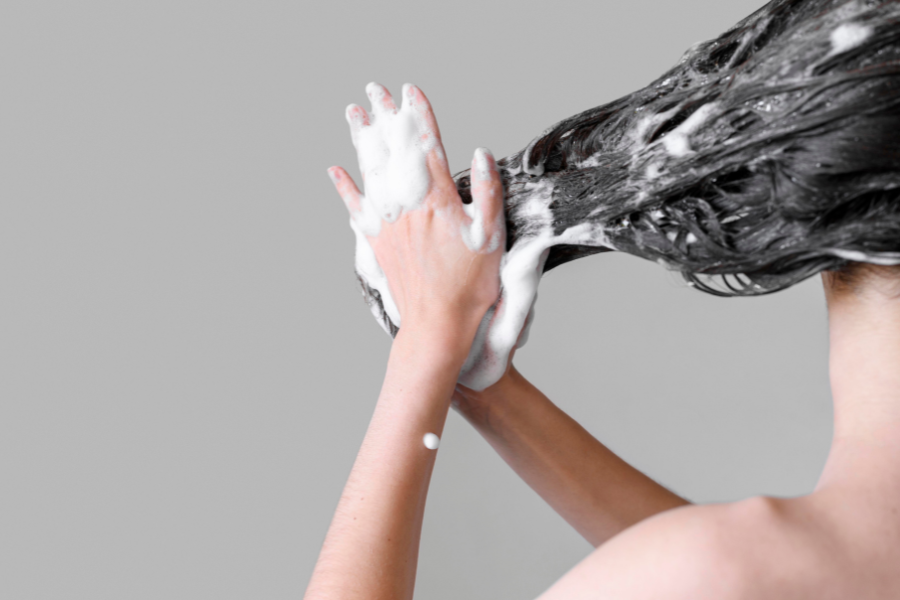
Sulfates are strong detergents that strip natural oils your hair needs. Choose a hydrating, sulfate-free formula that cleans without leaving hair feeling stripped.
2. Deep Condition Regularly with Rich Hair Masks
Weekly deep conditioning helps fill in cuticle gaps and improve elasticity. Look for masks with humectants like glycerin or honey, paired with restructuring proteins.
3. Lock in Hydration Using the LOC Method
The LOC method stands for Liquid, Oil, Cream. L’Oréal Paris explains that this layering technique works especially well for high porosity hair, since it traps moisture in a sequence that’s harder for the strand to lose. Apply a water-based liquid first, then an oil to seal it, then a cream to lock everything in.
4. Seal Moisture with Rich Natural Oils and Butters
Heavier sealants like castor oil, shea butter, avocado oil, and olive oil are your best friends. They form a barrier that keeps moisture from escaping. Save lighter oils like argan or jojoba for a light shine boost rather than deep sealing.
5. Boost Hair Strength with Regular Protein Treatments
Protein treatments help rebuild a compromised hair shaft. Use products with keratin, wheat, silk, or soy amino acids one to two times a month.
Be careful not to overdo it. PATTERN Beauty notes that a healthy balance between moisture and protein matters, since too much of either can leave curls feeling stiff, limp, or more prone to breakage.
6. Opt for Cool Water Rinses
Warm water helps clean hair and melt away product buildup. But always finish your wash with a cool or cold rinse. It helps smooth the raised cuticle back down, trapping moisture inside the strand.
7. Minimize Heat Styling and Use Heat Protectants
Let your hair air-dry whenever you can. When you do blow-dry or use hot tools, apply a leave-in heat protectant first to shield already-vulnerable cuticles from further damage.
8. Prevent Mechanical Friction and Night Damage
Cotton pillowcases pull moisture from hair and create friction while you sleep. Swap to a silk or satin pillowcase, or wear a satin bonnet, to protect your strands overnight.
9. Detangle Carefully on Damp Hair
Hair is most fragile when wet, so avoid brushing it while soaking. Use a wide-tooth comb or your fingers, start at the ends, and work upward with a detangling leave-in spray for extra slip.
10. Schedule Regular Trims and Protect from the Elements
Trim every 6 to 8 weeks to remove dry, split ends before they travel up the shaft. Outdoors, wear a hat or scarf to shield hair from UV rays, wind, and humidity.
Selecting the Best Products for High Porosity Hair
Key Ingredients to Look For
- Heavy sealants: shea butter, castor oil, avocado oil, olive oil, coconut oil
- Humectants and hydrators: glycerin, aloe vera, honey
- Restructuring proteins: keratin, milk protein, silk protein, wheat and soy amino acids
Ingredients to Avoid
- Sulfates, which strip moisture and natural oils
- Parabens and drying alcohols, which can worsen brittleness over time
Frequently Asked Questions
What does high porosity hair mean? It means the hair cuticle sits open and raised, creating gaps in the shaft. Moisture moves in and out easily, which is why hair can feel dry soon after it’s wet.
Can you reverse high porosity hair? Not completely. Once cuticle damage happens, it can’t be fully undone. But with consistent protein and moisturizing care, high porosity hair can be managed and look noticeably healthier over time.
How long does it take high porosity hair to dry? Usually fast, often within two to four hours when air-drying, since the open cuticle can’t hold onto water for long.
How often should I wash highly porous hair? Most experts recommend washing one to three times a week. Washing too often can strip natural oils your scalp needs to keep hair balanced.
Is high hair porosity bad? Not necessarily. While it’s more prone to frizz and dryness, the open cuticle structure also means hair absorbs color and conditioning treatments extremely fast, which can work in your favor with the right routine.
Conclusion: Consistency Is Key to Mastering High Porosity Hair
High porosity hair takes a bit more attention, but it’s far from unmanageable. Consistent hydration, balanced protein treatments, and a few protective habits go a long way toward softer, stronger, and more radiant hair.
Start today. Run the water float test to confirm your hair’s porosity, then build your next wash day around the LOC method. Small, consistent changes are what turn dry, frizzy strands into hair that actually holds its moisture.