

India’s beauty and wellness sector is undergoing a remarkable shift. Once considered a privilege of the wealthy, professional skincare and dermatological treatments are becoming part of common spending for a much wider section of the population. According to IMARC Group, the Indian beauty and personal care market is expected to exceed USD 48 billion by 2033, and the medical aesthetics segment is set to nearly double to USD 1.27 billion.
This transformation is being fuelled by rising awareness, evolving beauty ideals, and the accessibility of advanced treatments at affordable entry points. Dermatologist and founder of Alive Wellness Clinics, Dr Chiranjiv Chhabra, recalls that in the late 1990s, only old-money families and frequent travellers would invest in medical aesthetics. Today, she observes that women across different income groups are prioritising professional skincare as part of their routine spending.
Adding to it, Kindlife’s founder, Radhika Ghai, said that skincare in India has moved beyond being a “special occasion” indulgence. Instead, consumers now read labels, study ingredients, and treat skincare as a daily necessity, making it a lifestyle change.
Now beauty products are more accessible too, with flexible payment models and low-cost entry treatments starting around ₹2,500. Even brands are making changes in the way they develop products, customising them to varied skin types. They now offer discovery kits, starter ranges, and advanced formulations, which allow more people to use them.
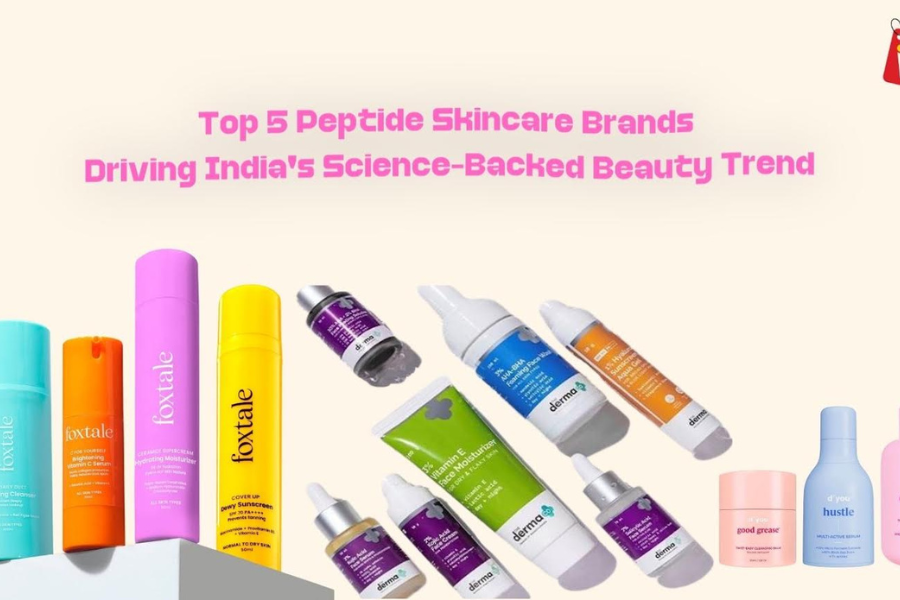
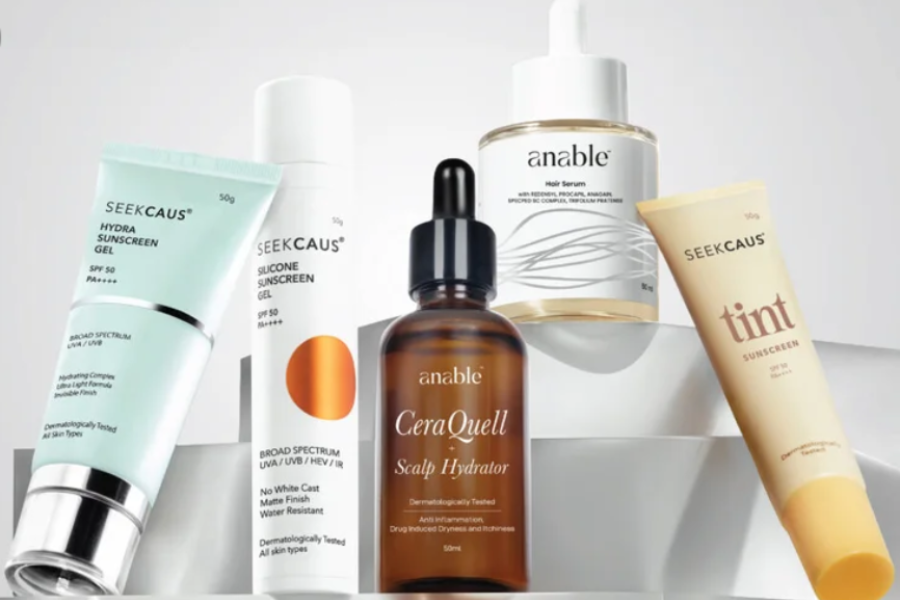
The industry is experiencing many global movements, too. Today, people prefer preventative care over anti-ageing solutions, with demand rising for sunscreens, serums, and haircare using skincare-style ingredients like peptides and ceramides. In addition, non-invasive procedures such as hydrafacials, microneedling, and ultrasound-based therapies are becoming increasingly popular.
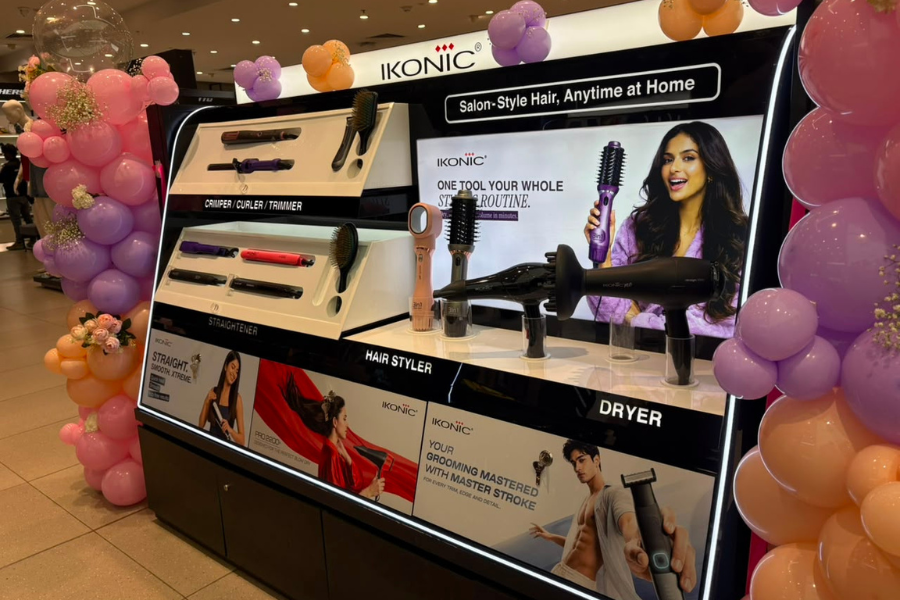
Another growth driver is at-home devices. Tools like LED therapy masks and ultrasonic cleansers give consumers access to once-exclusive technologies. Personalized skincare powered by AI diagnostics and subscription-based regimens allows users to extend clinic results into daily life. Local brands, such as Alive & Well, are bridging the gap by offering solutions suited to Indian skin while blending global trends like Korean layering with traditional oils.
The market’s evolution also reflects cultural change. For many, skincare is no longer about status but about self-care, health, and confidence. With inclusivity, transparency, and ingredient-led choices dominating the market, India’s beauty industry is no longer a spectator but is shaping global trends.