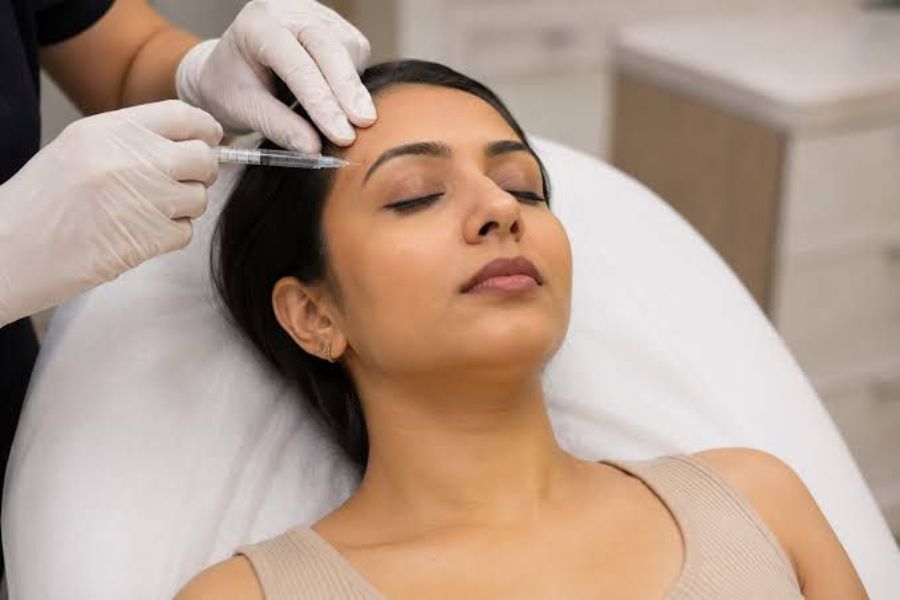

India’s booming market for injectable beauty and wellness treatments is coming under sharper regulatory focus after the Central Drugs Standard Control Organisation (CDSCO) clarified that cosmetic products are not permitted for injection into the human body. The advisory has reignited concerns among medical experts about the widespread use of unapproved intravenous therapies at aesthetic clinics, salons, wellness centres and even fitness facilities.
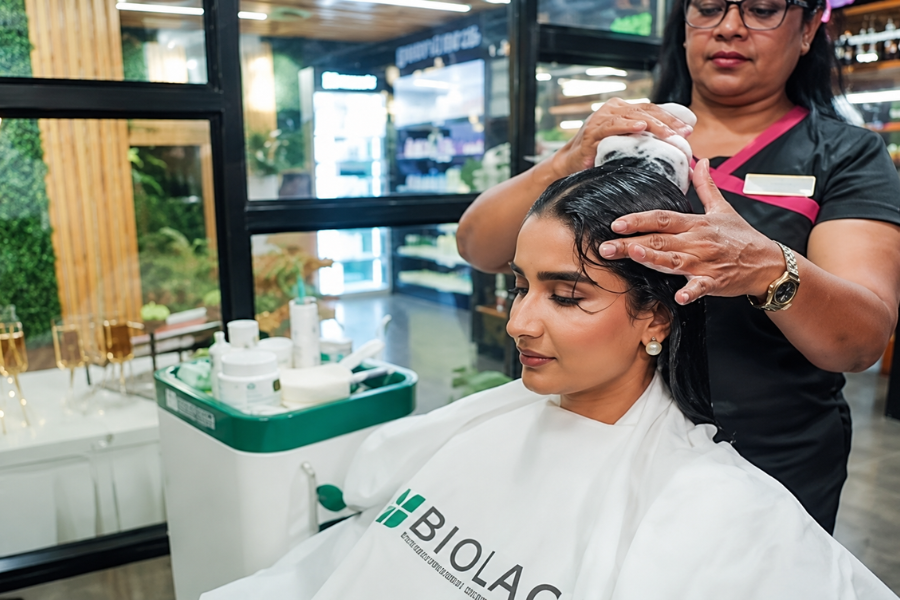
According to dermatologists, aesthetic clinics, gyms and salon chains across major Indian cities are increasingly promoting injectable treatments tied to skin brightening, anti-ageing, hair restoration and rapid weight management despite limited regulatory clarity around many of these procedures.
Specialists say the concern is no longer restricted to glutathione-based skin treatments. A growing range of intravenous formulations containing vitamin C, collagen, NAD+, biotin, amino acids and multivitamin combinations are now being marketed as quick solutions for fatigue, immunity, detoxification and visible cosmetic enhancement.
Dipali Bharadwaj, a senior dermatologist based in Delhi, shared that misuse of such therapies had become widespread, with several establishments — including fitness centres administering injectable products obtained through poorly regulated channels. She also raised concerns over counterfeit formulations and inadequate monitoring of clinics offering these procedures.
The market has simultaneously witnessed rising demand for injectable hair-loss therapies involving finasteride and dutasteride, substances traditionally prescribed in oral form. Clinics are also aggressively promoting exosome-based procedures linked to skin renewal and hair growth, although experts say long-term evidence around efficacy and safety remains insufficient.
Another rapidly expanding category involves GLP-1 drugs such as semaglutide and tirzepatide, originally developed for the management of diabetes and obesity. Medical professionals warn that these medicines are increasingly being positioned as aesthetic weight-loss solutions outside specialist supervision.
Kabir Sardana, who heads the dermatology department at RML Hospital, cautioned that many cosmetic injectable treatments continue to operate in a medically and scientifically grey zone. He reportedly stressed that several products lack approval for aesthetic use and may expose patients to infections, vascular complications and organ-related stress when administered improperly.
Doctors also warn that many non-hospital facilities offering these services may not have trained emergency staff or adequate medical infrastructure. Industry observers believe the regulator’s latest intervention could become significant if accompanied by stricter enforcement and tighter oversight of the country’s booming aesthetic wellness market.