
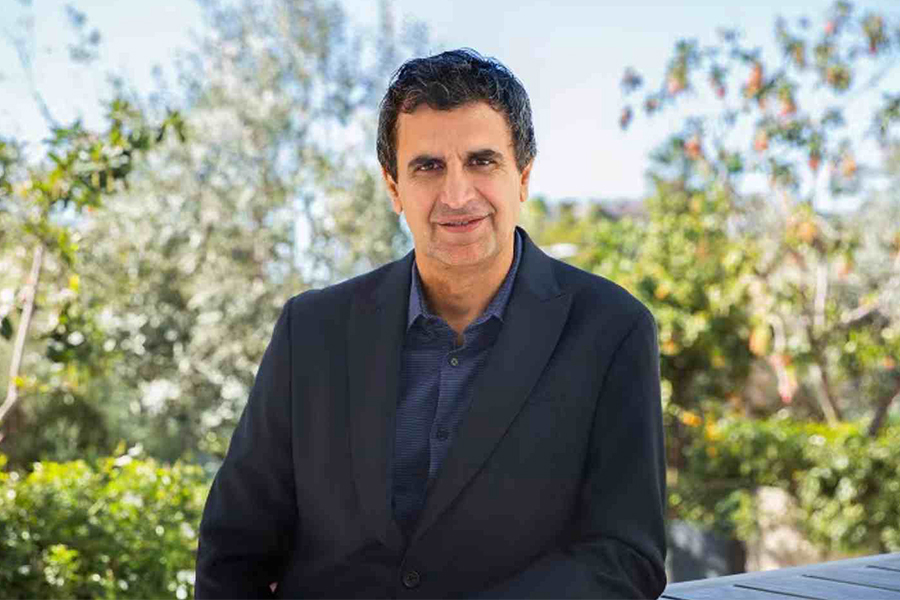

Unilever’s newly appointed CEO, Fernando Fernandez, spoke at the Barclays Global Consumer Staples Conference 2025, where he presented seven clear strategic priorities: beauty, well-being, personal care, premium products, e-commerce, the US, and India. He emphasised that the company’s financial resources would follow these areas.
In India, Fernandez described the market as the only major exponential volume growth opportunity globally, likening its potential for Unilever to what China has been for their competitors. He highlighted strong existing positions in key categories: over 50% in hair care, skin care, functional foods, and dishwashing; around 45% in laundry; and 37% in skin cleansing—often two to four times ahead of their closest rivalry. He also announced leadership changes in India to strengthen execution and noted favourable economic developments as further support for future growth.
Fernandez pointed to recent acquisitions—Premium Indian wellness and beauty brands Minimalist and Oziva, which together are expected to generate around €100 million in revenues by year-end, with growth well above double digits. He also explained how they’re digitizing distribution, reaching 9 million stores in India, with 3 million via direct coverage, and deploying a leading digital platform for traditional trade.
The company also plans to change its marketing strategy and will indulge in what Fernando calls “desire at scale” of SASSY brands such as Dove and Vaseline, which have grown tremendously in the last year. Even execution has changed and is now what he calls “codified”. They have a proprietary model called Unmissable Brand Superiority (UBS) framework, which has 23 metrics based around the six ‘P’s. There are clear metrics for both offline and online execution.
Unilever’s new direction is clear: the company is doubling down on beauty, wellness, and premium positioning and doing so with aggressive investment in India and the US. Its leadership shifts and digital infrastructure reflect a concentrated effort to align capital and capabilities with growth sectors.