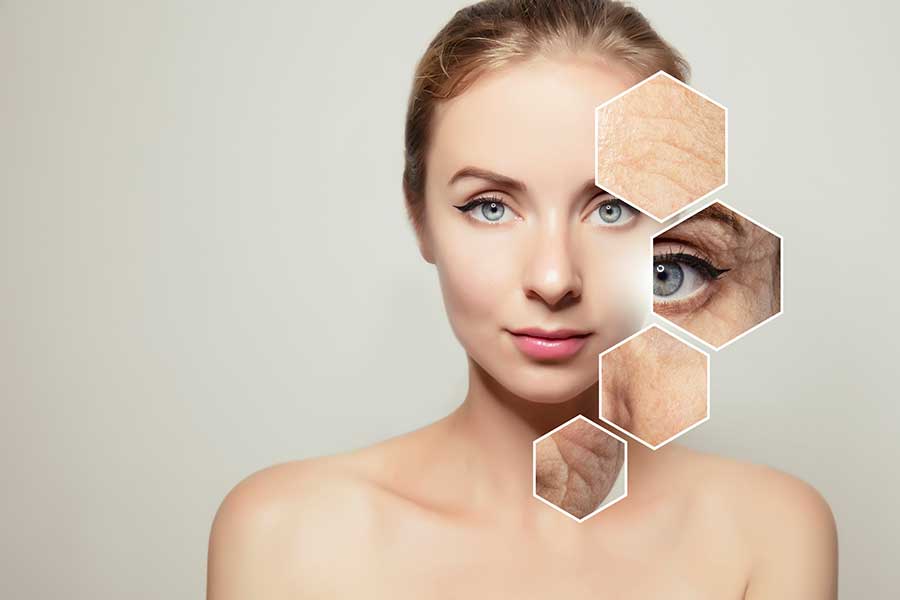

A groundbreaking study by Unilever scientists has revealed a compelling connection between the skin microbiome and how old we appear—beyond our chronological age. Published in the British Journal of Dermatology, the research compared individuals aged 40–50 who exhibited either premature or delayed signs of ageing.
Key findings highlight that those with delayed ageing showed a more resilient and stable microbial community on their skin, particularly enriched with beneficial bacterial species. In contrast, individuals who appeared older had a more fragile and less robust microbiome network. Remarkably, when participants displaying premature ageing applied a topical product containing retinyl propionate twice daily for four weeks, not only did their skin physiology—such as brightness, elasticity, hydration, and barrier function—improve, but their microbiome shifted to resemble that of younger-looking individuals.
Jason Harcup, Chief R&D Officer for Beauty & Wellbeing at Unilever, remarked: “This is the first time scientists have shown that the skin microbiome could be linked to how old we appear, even among people of the same age.”
The implications are vast. This new understanding may pave the way for next-generation anti-ageing skincare that strengthens the skin’s microbial ecosystem, offering solutions that go beyond surface-level treatments to work in harmony with the body’s natural biology.