
L’Oréal delivered a stronger-than-expected performance in the first quarter of 2026, with sales growth exceeding analyst forecasts and outpacing the broader global beauty market. For the three months ending March 31, the company reported revenues of 12.15 billion euros, up 3.6% on a reported basis.
The results came in ahead of expectations tracked by Bloomberg, which had projected a 3.5% increase. The company’s adjusted growth also surpassed the estimated global beauty market growth rate of around 4%. Chief executive Nicolas Hieronimus indicated that the group has started the year on a strong footing, gaining market share across all regions and divisions. He attributed this to an accelerated pace of innovation and the rollout of new products with significant commercial potential, which have supported growth in fragrances, hair care and makeup, alongside early signs of recovery in skincare.
E-commerce continued to outperform, particularly in emerging markets. However, Hieronimus acknowledged that geopolitical tensions in the Middle East affected performance in March, especially in travel retail and tourist-driven locations in the United Arab Emirates. He noted that consumption in Saudi Arabia has returned to normal levels, while retail activity in UAE neighbourhood malls and online channels is stabilising. Tourist-heavy retail hubs in Dubai and travel retail continue to face some disruption, although the situation is seen as manageable.
On inflation, Hieronimus said the company has not yet observed any decline in beauty consumption, despite concerns around rising gas prices linked to the conflict. He added that prolonged inflation could impact sourcing and logistics, and may eventually require price adjustments later in the year. In the meantime, L’Oréal is relying on revenue growth management strategies, including optimising product mix and formats, to protect margins without significantly increasing prices.
In China, the business is showing gradual improvement, with growth rising from around 1% at the end of 2025 to closer to 2%. Hieronimus highlighted a shift back towards premium, selective beauty, along with improving consumer confidence, as key factors supporting this recovery. The company reported mid-single-digit growth in China and continued gains in market share.
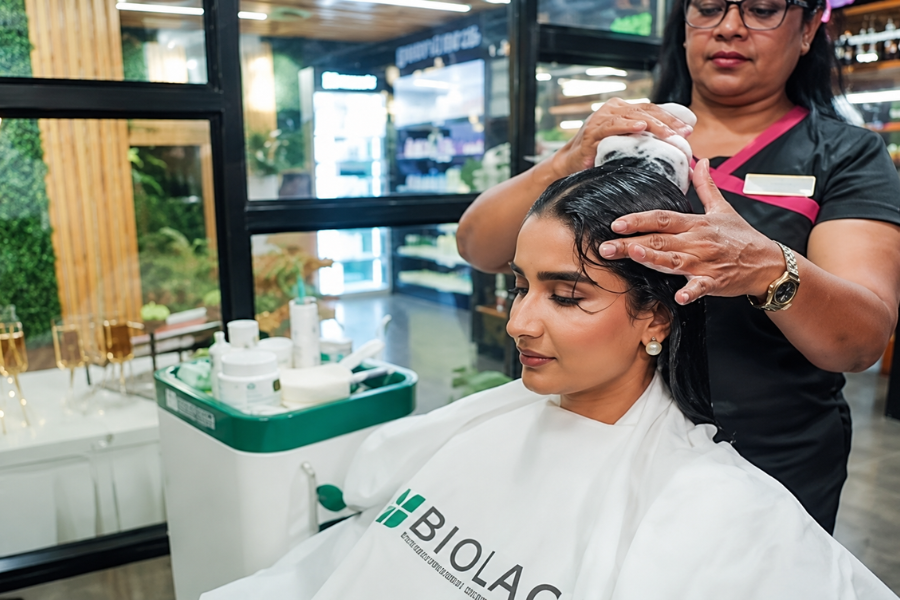
Skincare, growing at roughly 4% globally, is stabilising for L’Oréal after a weaker 2025. The Dermatological Beauty division posted sales growth of 6.2% on a reported basis and 10.8% like-for-like. The standout performer, however, was the Professional Products division, which recorded growth of 14.5% reported and 15.5% like-for-like. This was driven by its transition to an omnichannel model and rising global demand for more advanced hair care solutions.
Hieronimus pointed to structural shifts in the category, including increased focus on hair health, longer hair trends and the needs of textured hair, as key growth drivers. He also noted that premium hair care remains underpenetrated, with only one in 10 products in mature markets positioned at the higher end, leaving significant room for expansion.
While fragrance growth has moderated slightly, the category remains positive, with L’Oréal continuing to outperform. The company highlighted strong brand momentum, including the global success of Libre by Yves Saint Laurent, which ranked as the top-selling feminine fragrance worldwide last year.
L’Oréal also confirmed that it is not actively pursuing additional fragrance licenses at this stage, even as it integrates Kering Beauté, which became part of the group on April 1. Hieronimus added that the company is not involved in any discussions regarding the future of the Gucci beauty license, currently held by Coty Inc. until 2028, but expressed confidence in the growth potential of its existing portfolio.