

Know how people-powered businesses are running the show today
Words | Esha Gakhar
India’s salon industry has entered a new era—one defined not just by creativity and trend leadership, but by operational excellence, talent strategy, and scalable culture. Today’s most influential salons are process-driven, people-powered businesses where leadership decisions directly impact revenue, retention, and reputation.At the core of these high-performing salons lies a shared belief: exceptional guest experiences are engineered, not improvised.
Culture Is Built on the Salon Floor, Not in Manuals
Across leading salon organizations, culture is treated as a living operational asset. Hiring is seen as a gateway, but training is the true culture-shaping mechanism. As Kapil Sharma, Founder & Creative Director, Kapils Salon & Academy, explains, “The best way to build a great salon culture is to train your team in your own way.”
This philosophy has driven a strong shift towards academy-led talent pipelines, where new professionals are trained in technical capabilities, service etiquette, behavioral intelligence, and brand standards before entering the live salon environment.
Training Architecture That Delivers Predictable Excellence
In modern salon businesses, consistency is non-negotiable. Leaders are investing in training architecture, not ad-hoc workshops. “We train regularly—not just technically but behaviourally. Both are equally important,” says Kapil Sharma.
Weekly internal modules, international educator sessions, external masterclasses, mystery audits, and structured accountability loops form a closed-loop performance system.
Performance Alignment Through Radical Communication
High-performing salons operate on radical clarity. Goals, KPIs, and expectations are visible, measurable, and consistently communicated. “Alignment comes from communication—daily, weekly, monthly,” Kapil notes.
Daily scorecards, incentive-linked KPIs, salon-wide targets, and quarterly recognition programs create performance transparency.
Conflict Management as a Retention Strategy
Structured escalation matrices, helpline systems, performance dashboards, and open forums ensure that issues are resolved before they impact morale or lead to attrition. Exit interviews are treated as diagnostic tools, and many professionals return after experiencing less structured environments elsewhere—proof that process-driven cultures retain talent.
Operational Discipline Fuels Creative Freedom
Creativity thrives best when supported by structure. Vipul Chudasama, Celebrity Stylist and Founder of VC Salon & Academy, brings a disciplined, education-first mindset to leadership. “Education and practice are the foundation of excellence,” he says. “We invest heavily in education—skills can be built, but culture must be nurtured. The rule is practice.”
Appointment leakage is controlled through automation-first scheduling systems. “Automated reminders and clear policies cut no-shows dramatically,” Vipul shares.
Inventory governance is managed through consumption mapping and variance tracking. “Weekly control sheets keep wastage in check,” he adds, reinforcing how backend systems directly impact profitability.
Marketing That Converts Attention Into Footfall
In a digital-first beauty economy, visibility must translate into bookings. “Instagram visuals convert better than anything else,” Vipul notes. Transformation-led reels, before-and-after narratives, and personalized seasonal campaigns drive high-intent discovery, shortening the path from scroll to salon chair.
People-First Leadership Without Compromising Margins
Leadership in salons, however, is not just about systems—it is about managing human complexity. Kanchan Mehra, Director – IBA & Navrang Professional Salon, frames the business through a people-first lens. “A salon is a people-driven business—your success depends on how you manage them.” The real challenge, she believes, is balance. “Balancing people and processes is the hardest part.”
Her approach combines emotional intelligence with execution rigor. Consistency, she notes, is deliberate: “Consistency is built on training, monitoring, and refining.” SOP-led execution, audits, mystery visits, and feedback loops ensure service integrity across every touchpoint.
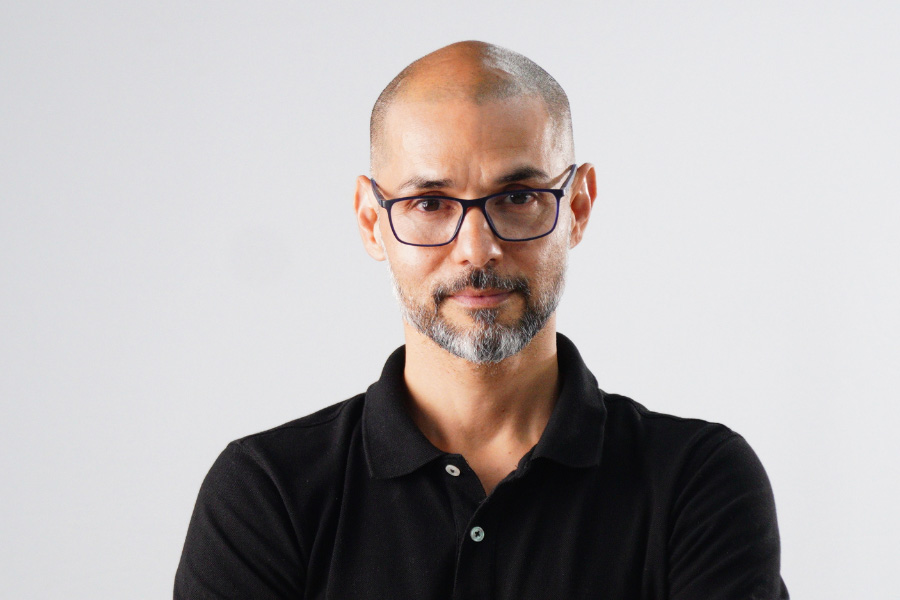
Commercial sustainability is treated with equal seriousness. “Profitability and quality must go hand in hand,” Kanchan emphasizes. Smart inventory planning, client retention strategies, high-margin service focus, ethical upselling, seasonal packaging, and transparent budgeting allow salons to scale without eroding standards. Her advice to emerging entrepreneurs is clear: “Build foundations before you build scale.”
Systems That Scale Creativity
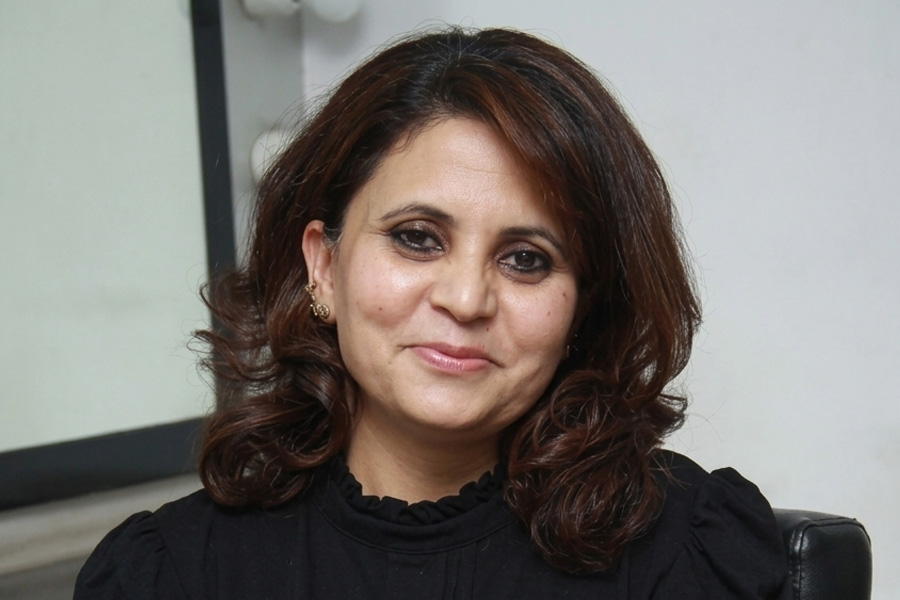
For Rehman Arfi, Franchise Owner & National Creative Director – LOOKS Salon, systems are the scaffolding that support creativity. “Systems create consistency. Creativity makes it memorable.”
Standardized service pathways, role clarity frameworks, and strength-based role allocation eliminate operational chaos. “Clarity reduces chaos,” he states. Predictive scheduling and cross-functional training enable peak-hour resilience because, as Rehman succinctly puts it, “Anticipation beats reaction.”
Conclusion: Leadership Is the New Luxury
India’s most influential salons are united by a leadership truth: luxury today is not just how a salon looks—but how consistently it performs. In an industry driven by people, the salons that win are those that train relentlessly, communicate clearly, systemize intelligently, and lead intentionally. That is the future of the business of beauty.