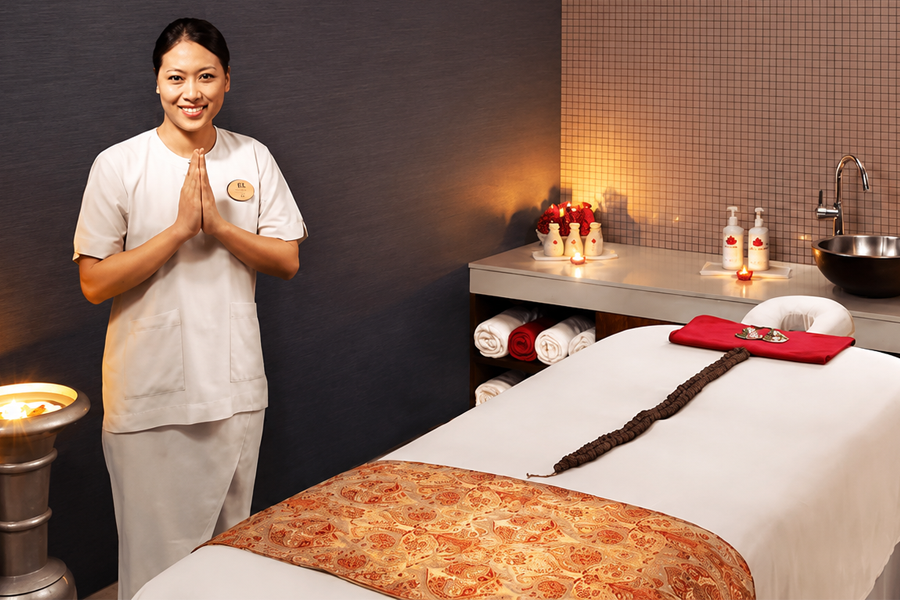

Build operational readiness through robust systems, clear protocols and a culture of professionalism.
Words: Reena Sheth
As India’s spa industry evolves, guests are increasingly prioritising therapist expertise, treatment outcomes and appointment availability over traditional therapist-gender preferences.
While much of the conversation focuses on changing guest expectations, the more important question for spa operators is one of operational readiness. Is the business truly prepared to deliver cross-gender treatments professionally, consistently and safely?
“The success of cross-gender treatments goes beyond the treatment itself and is determined by the systems, training and culture that exists behind the scenes.”
Looking Beyond Guest Demand
For many operators, cross-gender treatments improve therapist utilisation, reduce scheduling bottlenecks and offer greater operational flexibility. However, these operational advantages can only be realised when supported by robust systems, clear protocols and a culture of professionalism.
Whether introduced in a new spa or an established operation, cross-gender treatments should be viewed as an operational decision – not simply a commercial opportunity.
Operational Readiness Comes First
Before introducing cross-gender treatments, operators should evaluate whether their systems can support them. This goes beyond having skilled therapists. It requires documented policies, operating procedures and a culture built on professionalism and mutual respect.
Operators should establish clear therapist allocation, consultation, consent, privacy and escalation protocols.
This ensures guest comfort, therapist safety and service consistency.
Training Beyond Treatment Delivery
Technical competence alone does not prepare therapists for cross-gender treatments.
In reality, therapists require a much broader set of professional skills.
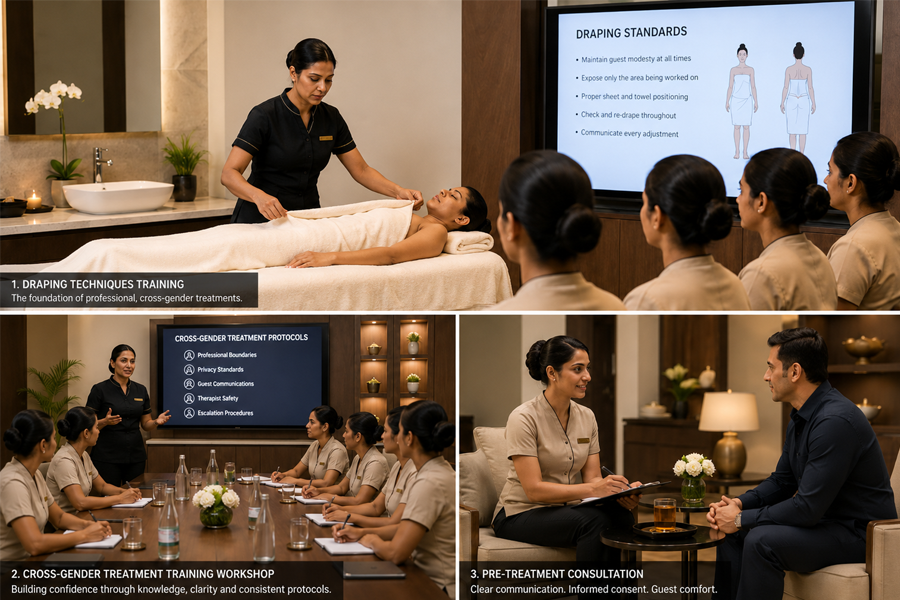
Training should include consultation, communication and confidence-building. Role-playing, scenario-based learning and regular refresher sessions can significantly improve therapist confidence.
When therapists know exactly how to communicate, how to set boundaries and how to escalate concerns, they are more likely to deliver treatments with calm authority.
“Training creates confidence. Confidence creates consistency.”
Clear Systems Create Consistency
- Every spa should establish documented operating procedures covering therapist allocation, consultation and consent, guest preferences, draping standards, treatment room protocols, incident reporting and escalation procedures. Ensure these policies are consistently implemented.
- When therapists know exactly what is expected of them – and what support is available should situations arise – they are better equipped to deliver exceptional guest experiences.
- Likewise, guests gain confidence when they experience consistency throughout their journey, from booking through consultation to treatment completion.
Key Considerations Before Introducing Cross-Gender Treatments
There is no universal model for introducing cross-gender treatments. Every business will have different operational realities, team dynamics, and guest demographics. However, these guiding principles apply across all spa formats.
- Prioritise operational readiness over market trends. Introduce cross-gender treatments only when your team is prepared, systems are documented, and the spa can consistently deliver a professional guest experience—not simply because competitors offer the service.
- Establish policies before launch. Before offering the first treatment, document therapist allocation, guest preferences, consultation protocols, draping standards, privacy measures and escalation procedures. Clear policies reduce ambiguity and build confidence among both therapists and guests.
- Invest in therapist development. Technical competence is only one part of the equation. Communication skills, professionalism, confidence-building and boundary management are equally important in creating a safe, respectful and comfortable treatment environment.
- Respect preferences of both the guest and therapist. Cross-gender treatments should never become an expectation for either party. Providing choice wherever operationally possible reinforces trust while creating a culture of mutual respect.
- Communicate transparently throughout the guest journey. Guests should understand what to expect before their appointment, including therapist allocation policies, consultation procedures and privacy standards. Clear communication reduces misunderstandings and strengthens confidence in your brand.
- Review, refine and evolve. Introducing cross-gender treatments should not be viewed as a one-time operational decision. Regularly reviewing guest feedback, therapist experiences and operational outcomes enables businesses to refine their approach and continuously improve service delivery.
Building a Culture of Professionalism
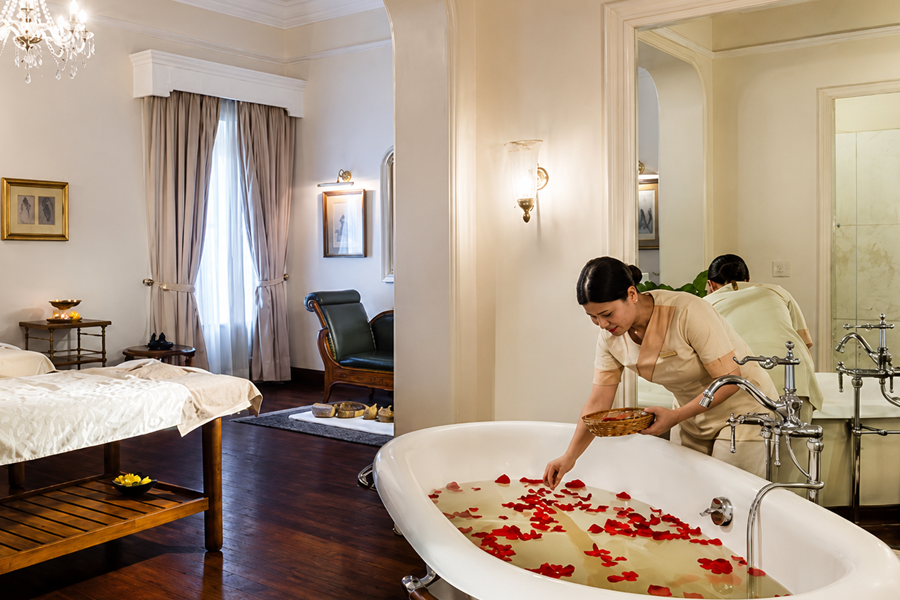
In successful spas, professionalism is evident throughout the guest journey, beginning well before treatment with clear booking communications, respectful consultations, privacy standards and confident therapist interactions.
“Therapist confidence drives guest confidence.”
A Reflection of Industry Maturity
Cross-gender treatments reflect the growing maturity of India’s spa industry, where successful operators balance professionalism, therapist wellbeing and guest experience.
Ultimately, successful cross-gender treatments are defined not by therapist gender, but by operational maturity, clear systems, skilled teams and a culture of professionalism and mutual respect.
About the Author

Reena Sheth is Founder & Chief Wellness Strategist of Gaiia and World Wellness Weekend Ambassador for India & APAC. With over two decades in hospitality, wellness, spa operations and brand strategy, she advises wellness and hospitality brands on future-ready guest experiences, operational excellence, longevity and wellness-led growth.