
Digital capability is increasingly shaping how consumers evaluate beauty products, signalling a broader transformation in the global cosmetics industry. Research from GlobalData indicates that technology-enabled beauty solutions are shifting from experimental showcases to commercially relevant growth engines.
Global Data Survey: Key Points & Considerations
According to findings from the firm’s Q4 2025 consumer survey, 39% of respondents worldwide reported that digital sophistication frequently influences their beauty purchasing decisions. This suggests that connected features, artificial intelligence integration and smart functionality are becoming meaningful differentiators rather than novelty additions.
Mapping the Shift in Industry Trend
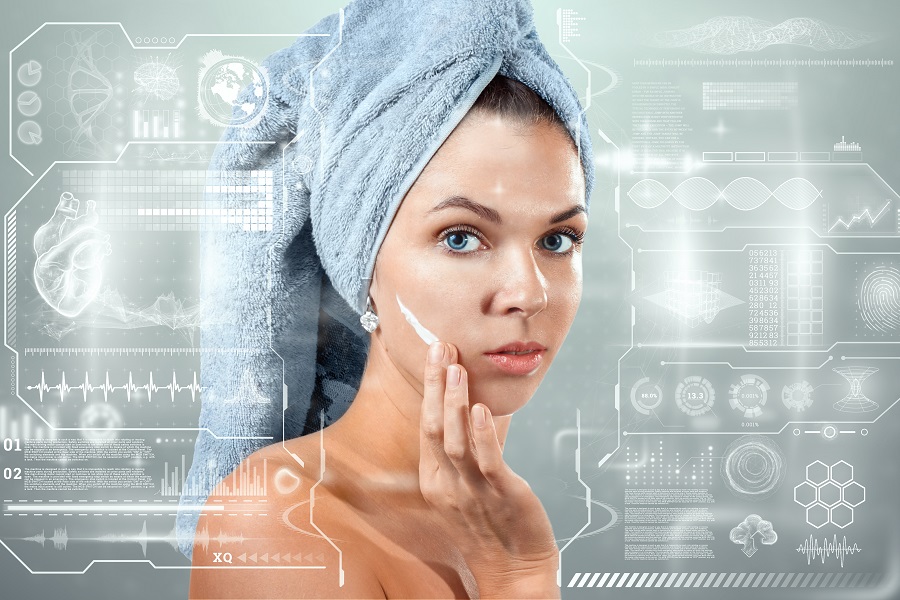
In the past, product development in beauty centred on improved formulations, new shade launches and trend-driven cycles. However, now that focus is widening. AI-based skin assessments, responsive mirrors and digitally adjustable cosmetic formats are introducing real-time adaptability into everyday routines. These tools allow consumers to receive guidance, modify looks and refine product choices with greater precision, reducing reliance on trial-and-error experimentation.
The shift was visible at CES 2026, where beauty technologies featured prominently alongside mainstream electronics. Among the innovations showcased was an app-controlled press-on nail system capable of altering colour through embedded display technology. Such concepts point toward a category increasingly influenced by software and interface design rather than static physical products alone.
Manufacturing and customization models are also evolving. At CES 2026, Korean manufacturer Cosmax presented Maxspace, a system designed to enable tailored skincare and makeup formulations at the point of service. Earlier, at CES 2025, Samsung collaborated with Amorepacific to demonstrate a MICRO LED mirror integrated with AI-driven skin analysis.
Nishitha Ranga, Consumer Analyst at GlobalData, has indicated that digital functionality is reshaping competitive dynamics in beauty, with brands that successfully integrate technology and usability expected to lead the next stage of market development.
Advancements in materials science, miniaturised hardware and AI deployment are improving scalability, while ecosystem-based models built around data and personalization are creating new revenue streams. As digital tools become embedded in routine self-care, beauty brands face mounting pressure to adapt innovation strategies to meet rising expectations for connected, customised experiences.
Nishitha stated that technology-enabled beauty represents a significant shift in how consumers relate to cosmetic and appearance-focused products. She noted that as digital features increasingly influence purchasing decisions, companies that successfully combine technological capability with intuitive design are likely to gain a competitive advantage. She added that with connected tools becoming a routine part of grooming and skincare habits, brands will have to reassess development strategies to meet expectations around personalisation, integration and perceived value. What began as limited experimentation, she suggested, is now developing into a broader structural change with tangible commercial consequences for the global beauty sector.