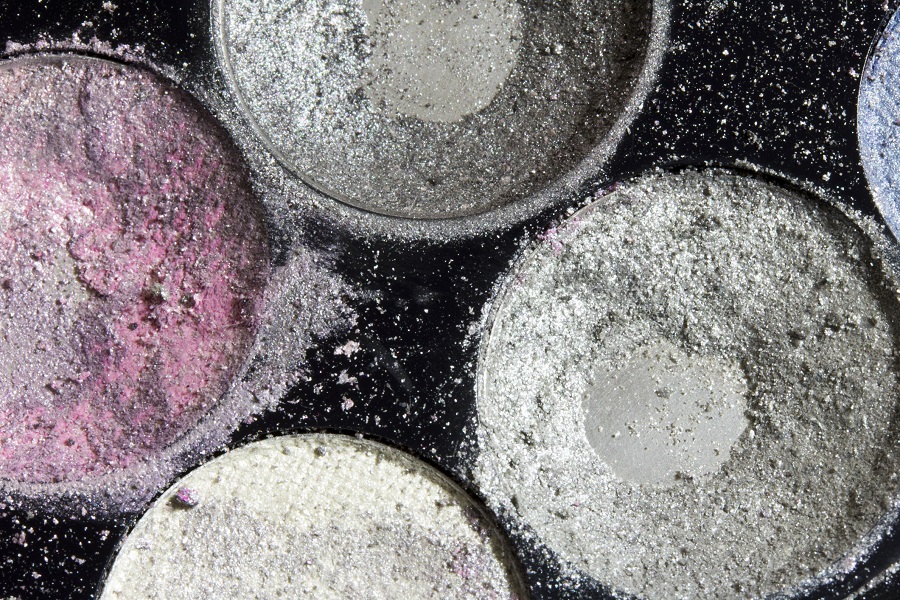

The United States Food and Drug Administration (FDA) intends to axe a proposal demanding talc-based cosmetics be tested for toxic asbestos, which has been connected to increased cancer risk. Talc is used in a wide range of products, from cosmetics to personal care products, raising concerns about its potential harmful impact on the majority of the population. Scott Faber, vice-president of government affairs with the Environmental Working Group non-profit, which has urged talc-based products to be heavily tested, stated that this move would make America less healthy, and added that it was hard to understand why a rule requiring companies to test for asbestos should be struck down.
The United States’ FDA cited in a legal notice on the federal registry that the decision was taken following comments from drug-producing companies pointing to potential “unintended consequences”, which hints at a possible backing for ending the proposal for asbestos testing. The United States’ FDA notice mentions that there is a good cause to withdraw the proposed rule at this time. Asbestos, considered a human carcinogen, is banned in more than 50 countries as it is a likely cause of an estimated 40,000 deaths annually.
Personal Care Company Johnson & Johnson halted the sale of talc-based baby powder in the US in 2020 in response to public backlash and nearly 38,000 lawsuits. The company was also compelled to pay billions of dollars to settle lawsuits, and is facing another lawsuit filed by 3,000 women in October in the UK’s High Court, accusing the company of poisoning them by failing to uphold safety standards. The proposal aimed towards public safety, called The Cosmetics Modernization Act of 2022 outlined provisions that made it necessary to test talc-based cosmetics, but the FDA is now ready to kill it.
In its notice, the FDA stressed it was acting on President Trump’s Make America Healthy Again agenda, stating the aim was to find the best methods to address the issues covered by the proposed rule, and underline principles to reduce asbestos exposure. Moreover, any new proposal should ensure that any standardized testing method requirements for detecting asbestos in talc-containing cosmetic products should be effective to protect users from harmful asbestos exposure.