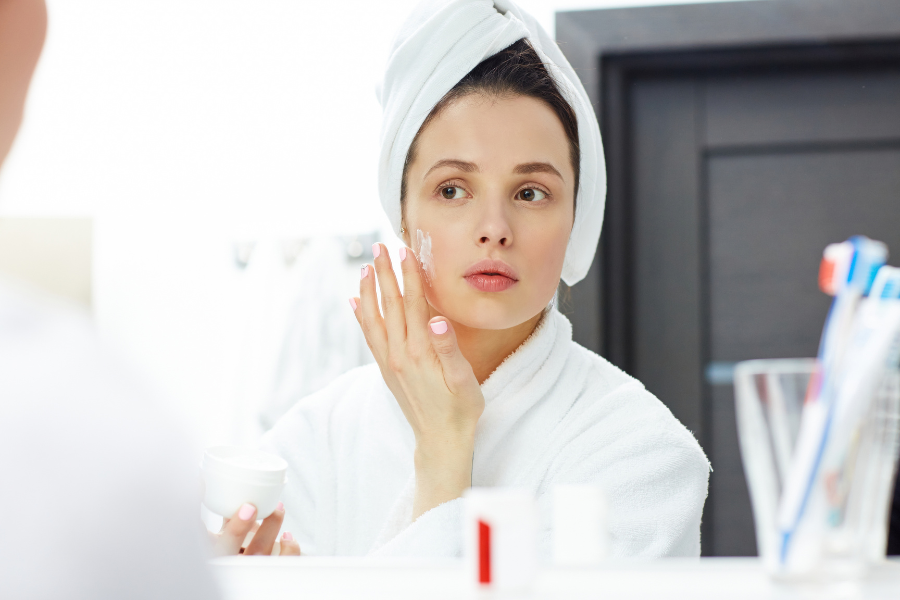

A daily cup of yogurt keeps your gut’s bacteria in balance. That same microbe-friendly philosophy is now reshaping the beauty industry. Probiotic skincare has moved well past a passing trend, and it’s backed by real, growing clinical research into skin barrier science.
The question worth asking is whether this is legitimate science or just clever packaging. The honest answer: introducing topical probiotics doesn’t just mask surface symptoms. Done right, it nourishes and balances your skin’s living ecosystem for long-term resilience and radiance.
In this guide, you’ll learn what the skin microbiome actually is, what “probiotic skincare” really means, and how to build a routine that supports it.
Understanding the Skin Microbiome and Why Nurturing It Matters
What Is the Skin Microbiome?
Your skin hosts a diverse community of bacteria, fungi, and other microbes living on and within its surface. Far from being a hygiene problem, this ecosystem is a normal, essential part of healthy skin.
The Vital Functions of a Healthy Microbiome
A balanced microbiome does more work than most people realize.
- Barrier protection: It helps maintain the skin’s lipid layer, limiting moisture loss and blocking pathogens.
- Inflammation regulation: It helps balance immune responses, which keeps redness and irritation in check.
- Pathogen defense: Beneficial microbes outcompete harmful bacteria, including strains linked to acne.
- pH maintenance: It supports the skin’s naturally acidic surface, which underpins overall resilience.
What Causes Microbiome Disruption (Dysbiosis)
Several everyday habits and exposures can throw this balance off:
- Harsh skincare habits, including over-cleansing and aggressive exfoliation
- Environmental stressors like UV rays, pollution, and low humidity
- Lifestyle factors such as chronic stress, poor diet, and antibiotic use
A review in the International Journal of Dermatology and Venereology explains that skin microbiota help regulate surface pH, transepidermal water loss, and hydration, meaning a disrupted microbiome can directly worsen dryness and barrier weakness. Think of your skin’s microbial layer as a living shield: bacteria on your face are a protective feature, not something to scrub away.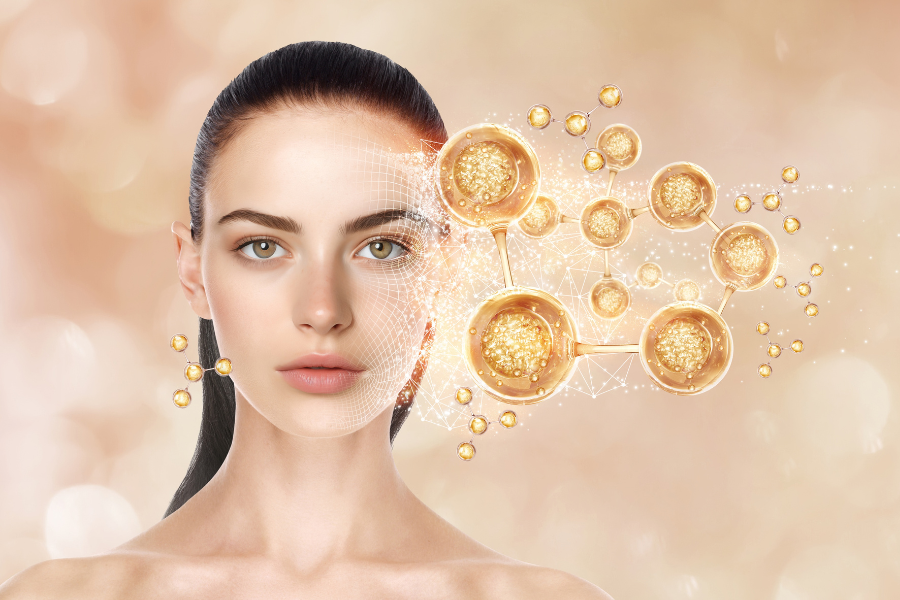
What Are Probiotics in Skincare, and Do They Work?
Demystifying Probiotic Skincare Ingredients
“Probiotic skincare” is an umbrella term, and it doesn’t always mean putting live bacteria directly on your face. There are several distinct categories on ingredient labels.
- Live probiotics: Actual living microorganisms. These are notoriously unstable and hard to keep active inside a traditional skincare formula.
- Bacterial lysates: Non-living components of bacteria that have been broken down. They can’t colonize skin, but they interact with skin cells to support natural defenses. Lactococcus ferment lysate is a commonly used example.
- Postbiotics: Non-living microbial preparations and byproducts, including fermented extracts, peptides, and lactic acid, that mimic the benefits of live probiotics.
- Prebiotics: Nutrients like inulin, fructooligosaccharides, and certain plant extracts that feed and support the beneficial bacteria already living on your skin.
- Fermented ingredients: Compounds produced through microbial fermentation, such as enzymes and organic acids, that complement microbiome-friendly formulas.
The Scientific Evidence: Do Topical Probiotics Actually Work?
The research base is growing, and the results are encouraging. A systematic review published in Dermatology and Therapy found that topical treatments using probiotics, prebiotics, and postbiotics improved acne outcomes across multiple trials. In one study within the review, lysates from Lactiplantibacillus plantarum improved both barrier function and transepidermal water loss over four weeks.
Separately, a randomized, self-controlled study published in Scientific Reports found that a lotion containing probiotic ferment lysate was well tolerated and helped strengthen the skin barrier while easing sensitive skin symptoms after 30 days of use.
Postbiotics and lysates are especially favored by cosmetic chemists for one practical reason: stability. Unlike live bacteria, they don’t need to survive and stay active inside a jar for months on a store shelf, which makes them far more reliable in a finished product.
Probiotic Skincare Benefits for Balanced, Healthy Skin
1. Strengthens the Skin Barrier
Postbiotics and bacterial lysates are formulated to support the skin’s natural lipid and ceramide production, helping lock in moisture. Research on Lactobacillus rhamnosus lysates, reviewed in PMC, has shown measurable improvements in barrier function in laboratory epidermis models, supporting their inclusion in barrier-focused formulas.
2. Calms Visible Redness, Inflammation, and Sensitivity
Topical probiotics and postbiotics can help speed skin recovery and balance inflammatory responses, which is part of why they’re increasingly studied for conditions like eczema and rosacea. A narrative review in PMC notes that topical probiotics modulate local immune responses and support skin barrier regeneration, though study designs still vary and more long-term data is needed.
3. Helps Manage Acne-Prone Skin
Probiotic-modulating ingredients can help gently outcompete acne-related bacteria and support more balanced oil production without stripping the skin. In the Dermatology and Therapy systematic review mentioned above, one topical LactoSporin formula performed comparably to benzoyl peroxide for lesion reduction while causing less dryness and irritation.
4. Supports Hydration
Postbiotic and lysate-based formulations are frequently paired with humectants like hyaluronic acid or squalane, working together to plump and hydrate skin. Multiple clinical reviews point to consistent hydration improvements when postbiotic lysates are used over several weeks.
5. Supports Long-Term Skin Resilience
By reinforcing barrier function and calming inflammation, a healthier microbiome indirectly supports skin’s resistance to environmental stress over time. Pairing a probiotic-supportive routine with daily SPF gives skin its best shot at defending against UV-driven damage, since sun protection remains the single most proven anti-aging step available.
How to Choose the Best Probiotic Moisturizers for Your Skin
Match Your Skin Type to the Right Formula
- Oily and combination skin: Look for lightweight gel formulas that hydrate without adding weight. Squalane and niacinamide paired with probiotics work well here. Biossance’s Squalane + Probiotic Gel Moisturizer is a widely available example built around encapsulated probiotics and fermented bisabolol to calm redness.
- Dry and sensitive skin: Choose richer creams that combine probiotics with heavier barrier-repair ingredients like ceramides.
Look for Synergistic Active Ingredients
Probiotics tend to perform better alongside a few key partners:
- Squalane: Mimics the skin’s natural lipids for weightless hydration.
- Ceramides and hyaluronic acid: Rebuild intercellular lipids and help trap water in the skin.
- Antioxidant-rich plant extracts (like sakura or other botanical antioxidants): Help calm sensitive skin and support a more even tone.
Watch for Essential Quality Markers
- Choose non-comedogenic formulas that won’t clog pores.
- Favor fragrance-free and alcohol-free products to avoid unnecessary irritation to the microbiome.
- Check the ingredient list for lysates or ferments listed reasonably high up, which usually signals a meaningful concentration rather than a marketing dusting.
How to Use Probiotic Skincare Effectively in Your Daily Routine
The Golden Rules of Application
- Cleanse gently first. Start with a mild, sulfate-free, non-stripping cleanser so you’re not undoing the benefit before you’ve even applied anything.
- Apply on damp skin. Patting products onto slightly damp skin helps lock in extra moisture.
- Layer with precision. Apply lightweight serums first, give them 30 to 60 seconds to absorb, then seal everything in with a probiotic moisturizer.
Mixing Probiotics with Active Ingredients
Retinoids: Probiotic and postbiotic moisturizers pair well with retinoids. Applying one after your retinoid step can help calm the irritation that often comes with retinoid use while supporting barrier recovery overnight.
Exfoliating acids: There’s no blanket rule against combining probiotics with AHAs or BHAs, but it’s worth following product-specific instructions and introducing new actives gradually if your skin tends to react.
The Critical Need for Daytime SPF
Never skip sunscreen. UV exposure disrupts the microbiome’s balance and can undercut the benefits of a probiotic routine. Always follow your morning probiotic moisturizer with a broad-spectrum SPF 30 or higher.
Consistency matters here more than almost anything else. Meaningful barrier improvements typically take four to eight weeks of steady, daily use to show up.
Probiotic Skincare vs. Traditional Moisturizers: Which Is Right for You?
| Traditional Moisturizers | Probiotic Skincare | |
| Primary role | General, everyday hydration | Restores microbial balance while hydrating |
| Key ingredients | Occlusives, humectants, emollients | Lysates, postbiotics, prebiotics, often paired with humectants |
| Best for | Normal to dry skin, general upkeep | Compromised, reactive, acne-prone, or hyper-sensitive skin |
| Mechanism | Seals in moisture from the outside | Targets the root cause: microbial dysbiosis |
Traditional moisturizers remain excellent for everyday hydration. Probiotic formulas earn their place when skin is genuinely reactive, acne-prone, or barrier-compromised, since they work on the underlying cause rather than just the surface symptom. The two categories aren’t rivals. Many routines use both, often layering a probiotic serum under a traditional occlusive moisturizer for extra protection.
Frequently Asked Questions
How long does it take for probiotic moisturizers to work? Some people notice less tightness almost immediately. General improvements in hydration and sensitivity tend to show up within two to four weeks, while deeper barrier repair and acne improvements usually take six to eight weeks of consistent use.
Are probiotic moisturizers safe for sensitive skin? Yes, generally. Postbiotic and lysate formulas, which contain no live bacteria, tend to be especially well tolerated. Look for fragrance-free and alcohol-free options to minimize any risk of irritation.
Can I use probiotic moisturizers with retinoids? Yes. Applying a probiotic moisturizer after a retinoid is a common strategy for soothing irritation and supporting barrier repair overnight.
Do probiotic skincare products help with anti-aging? Indirectly, yes. By supporting barrier strength and helping defend against oxidative stress, probiotic ingredients contribute to healthier-looking, more resilient skin over time. They work best as a complement to proven actives like retinoids and daily SPF, not as a replacement for them.
Can I use a probiotic moisturizer without SPF? Not during the day. Unprotected UV exposure disrupts the microbiome and undermines the very barrier support a probiotic product is meant to provide. Daytime use should always include sunscreen.
What’s the difference between probiotics, prebiotics, and postbiotics in skincare? Probiotics are the beneficial bacteria themselves, whether live or as lysates. Prebiotics are the nutrients, like certain plant sugars, that feed those bacteria. Postbiotics are the non-living byproducts of bacterial fermentation that deliver many of the same benefits with far more formulation stability.
Are probiotics the same as fermented ingredients? Not exactly. Fermented ingredients are created through a microbial process, but that doesn’t necessarily mean the finished product contains active probiotics or lysates. Always check the specific ingredient list rather than assuming based on the word “fermented” alone.
Conclusion: Embracing a Microbiome-First Approach to Beauty
Caring for your skin means caring for the millions of microbes that protect it. That’s a genuine shift in how skincare science is approached, and it’s backed by a growing body of clinical research rather than just marketing language.
Moving away from harsh, stripping habits and toward gentler, pH-balanced, microbiome-supportive routines is a change worth making. Start by choosing one well-formulated, science-backed probiotic product, pair it with daily SPF, and give it the four to eight weeks it needs to show what it can really do.