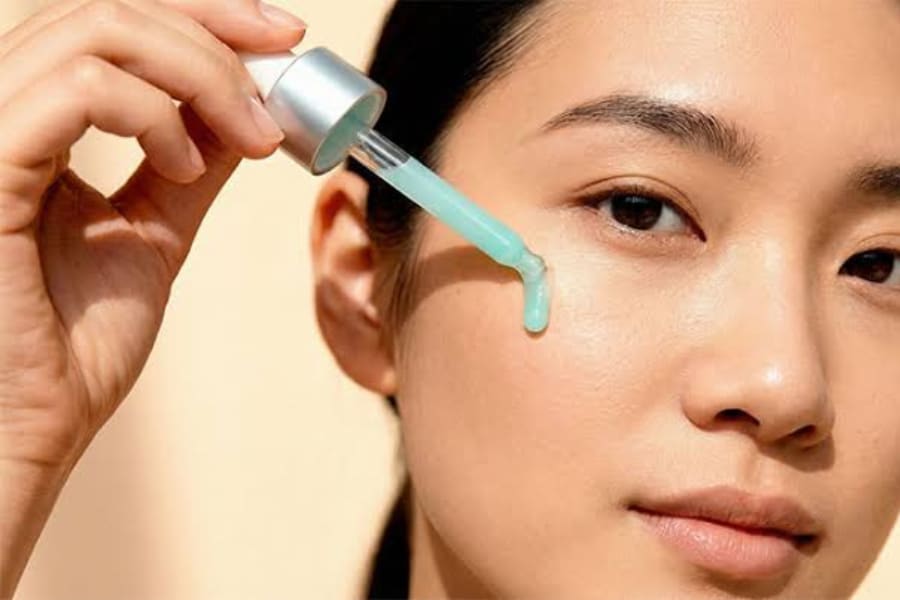


When the skin begins to react to a routine it once tolerated without difficulty — tightness following cleansing, stinging in the absence of an obvious irritant, or a texture that has become persistently rough — the underlying cause frequently lies beneath the surface of the products themselves. It is the ceramides, the lipid molecules responsible for cohesion between corneocytes, that are typically implicated. When ceramide levels decline, the remainder of a skincare regimen must compensate for a structural deficiency that no single product can fully resolve. The solution is not complex, but it does require an understanding of what depletes ceramides, what restores them, and what timeline is realistic for visible improvement.
The Role of Ceramides in Barrier Function
The stratum corneum, the outermost layer of the epidermis, is often described using a “brick and mortar” model: corneocytes serve as the bricks, while ceramides, cholesterol, and free fatty acids constitute the mortar. This lipid matrix accounts for a substantial proportion of the outer skin layer’s structural composition — a role considerably more significant than is generally appreciated.
When this lipid matrix remains intact, it performs two functions simultaneously: retaining internal moisture and excluding external irritants, allergens, and microorganisms. When the matrix is compromised, this bidirectional barrier fails. Transepidermal water loss (TEWL) accelerates, penetration by irritants increases, and the skin presents as dry, reactive, or generally compromised. Chronological aging contributes to this decline — epidermal lipid synthesis and cholesterol production both decrease measurably over time — but age alone is rarely sufficient to explain a rapidly deteriorating barrier. In most cases, cumulative habits play a larger role than the aging process itself.
Primary Drivers of Ceramide Depletion
Several common practices erode ceramide reserves faster than the skin can replenish them. Hot water is a frequent contributor, as elevated temperatures dissolve the same lipids responsible for barrier integrity. Sulfate-based cleansers act similarly, removing surface lipids indiscriminately alongside dirt and oil. Excessive use of exfoliating acids, retinoids, or physical scrubs produces a comparable effect: a barrier under continuous mechanical or chemical stress is not permitted sufficient recovery time.
Cumulative ultraviolet exposure compounds the problem by degrading existing barrier lipids over time, rather than merely failing to protect newly formed ones. Cold, low-humidity climates exacerbate transepidermal water loss further. In patients with eczema or psoriasis, ceramide deficiency is not incidental — it is a central feature of the underlying pathology, which is why barrier repair is typically the first line of management rather than a secondary consideration. Omission of a post-cleansing moisturizer compounds all of the above, leaving a compromised barrier without support at its most vulnerable point.
Topical Repair: Formulation Considerations
Topical application remains the most direct means of restoring barrier function, though not all ceramide-containing formulations are equivalent. The ratio of active lipids is more clinically relevant than their mere presence on an ingredient label. A 3:1:1 ratio of ceramides, cholesterol, and free fatty acids has been identified in dermatological research as the composition that most closely replicates the skin’s native lipid architecture, and this ratio has been shown to outperform ceramide-only formulations in accelerating barrier recovery. This finding originates from foundational lipid-biology research published in the Journal of Investigative Dermatology, which demonstrated that cholesterol-dominant, 3:1:1 lipid mixtures accelerated stratum corneum barrier recovery significantly faster than equimolar combinations in both aged animal models and human skin (Mao-Qiang et al., J Invest Dermatol).
Several supporting ingredients merit particular attention on a product label:
- Niacinamide — Clinical and cell-culture research has shown that niacinamide upregulates serine palmitoyltransferase, the enzyme governing the rate-limiting step of ceramide biosynthesis, increasing endogenous ceramide production several-fold in human keratinocytes and reducing TEWL in vivo (Tanno et al., British Journal of Dermatology).
- Hyaluronic acid — Functions as a humectant, drawing moisture into the epidermis, which ceramides then help retain; the two ingredients are complementary rather than redundant.
- Squalane — A lightweight emollient lipid that supports barrier function without the occlusive heaviness associated with some ceramide-dominant formulas.
Application sequencing also affects efficacy: ceramide-based moisturizers are best applied after lighter, water-based products, onto skin that remains slightly damp, to maximize the moisture available for occlusion. Formulations marketed as “cholesterol-free” should not be assumed superior; cholesterol is a required component of the 3:1:1 matrix, and its absence typically represents an incomplete formulation rather than a refinement.
Dietary Contributions to Barrier Repair
Nutritional intake can meaningfully support, though not replace, topical intervention. Certain foods supply the precursor fatty acids required for endogenous ceramide synthesis. Omega-3 and omega-6-rich sources — salmon, walnuts, and flaxseed — are a reasonable starting point. Soy, wheat germ, and brown rice have also been studied as dietary sources of glucosylceramides with documented skin benefits. Additional monounsaturated fat sources, such as avocado and olive oil, support this process, and adequate hydration remains a baseline requirement, even though it does not independently synthesize ceramide molecules.
Expected Timeline for Clinical Improvement
Visible improvement is generally reported within two to four weeks of consistent use, extending to six to eight weeks for more significantly compromised barriers. This range reflects the underlying biology: barrier restoration occurs across successive keratinocyte differentiation cycles, imposing a physiological floor on the speed of visible change, independent of product efficacy.
Behavioral factors remain the largest variable. Discontinuing barrier-damaging habits is at least as important as introducing ceramide-based products — a well-formulated moisturizer applied over a regimen of hot showers and frequent over-exfoliation is unlikely to produce meaningful results.
Identifying Barrier Dysfunction
Several signs consistently indicate barrier compromise: persistent dryness unresponsive to standard moisturization, ongoing tightness, redness without identifiable trigger, and a chronically rough or flaking texture. A particularly reliable indicator is a previously well-tolerated product beginning to cause stinging. This is rarely a reformulation issue; more often, it reflects a thinning barrier that no longer excludes irritants it previously blocked.
Barrier Support in Oily and Acne-Prone Skin
A frequent misconception holds that oily or acne-prone skin does not require barrier support. The evidence indicates the opposite: a compromised barrier can increase sebum production, as the skin compensates for accelerated water loss by upregulating oil output. Discontinuing moisturizer to manage shine typically worsens this dynamic.
The appropriate response is not to avoid ceramides but to select an appropriate formulation — lightweight, non-comedogenic, gel- or lotion-based products that absorb rapidly without the heaviness associated with breakout concerns. For patients using retinoids for acne management, introducing ceramide support concurrently is advisable — a split-face randomized controlled trial found that a ceramide- and niacinamide-containing moisturizer improved acne lesion counts and reduced cutaneous irritation when paired with topical anti-acne treatment (Tempark et al., J Cosmet Dermatol, 2024), given that retinoids independently accelerate barrier lipid loss.
Clinical Summary
Barrier integrity is foundational rather than optional: it determines whether subsequent serums and active ingredients can perform as intended. A depleted barrier undermines the efficacy of an otherwise well-constructed routine; a restored one allows the remainder of the regimen to function as designed. Clinical improvement requires adequate time, discontinuation of barrier-depleting habits, and consistent application of an appropriately formulated ceramide product — prioritized ahead of newer, trend-driven additions to a routine.
Frequently Asked Questions
What is the optimal ceramide ratio for skincare formulations? Dermatological research supports a 3:1:1 ratio of ceramides, cholesterol, and fatty acids as the composition most consistent with the skin’s native barrier structure and most effective for accelerating repair (Mao-Qiang et al.).
Is it possible to over-apply ceramides? No established risk of excess exists, as ceramides are physiological components of skin. Layering multiple heavy ceramide formulations may feel occlusive without providing additional benefit.
Are ceramides indicated in eczema management? Yes. Ceramide deficiency is a recognized feature of atopic dermatitis pathophysiology, and ceramide-based moisturizers are routinely incorporated into treatment protocols alongside other therapies (Ishikawa et al., Sci Rep).
Are ceramides preferable to hyaluronic acid for dry skin? The two serve distinct, complementary functions — hyaluronic acid draws moisture into the skin, while ceramides retain it — and combined use outperforms either ingredient alone.
Does retinol deplete ceramide levels? Yes. Retinoid use can transiently thin the barrier and accelerate ceramide loss, which supports the concurrent use of ceramide-based moisturizers to offset associated dryness and irritation.
How can ceramide adequacy in a formulation be assessed? Position on the ingredient list is informative — earlier placement indicates higher concentration — and the presence of cholesterol and fatty acids alongside ceramides suggests a more complete barrier-repair formulation.
Is daily use of ceramide products necessary? Yes. Consistent daily application is required to achieve and maintain measurable barrier restoration; intermittent use is unlikely to produce durable results.
Are ceramides appropriate for sensitive or reactive skin? Yes. A reinforced barrier reduces irritant penetration, which is the principal reason ceramide-based products are frequently recommended for sensitive or reaction-prone skin types.