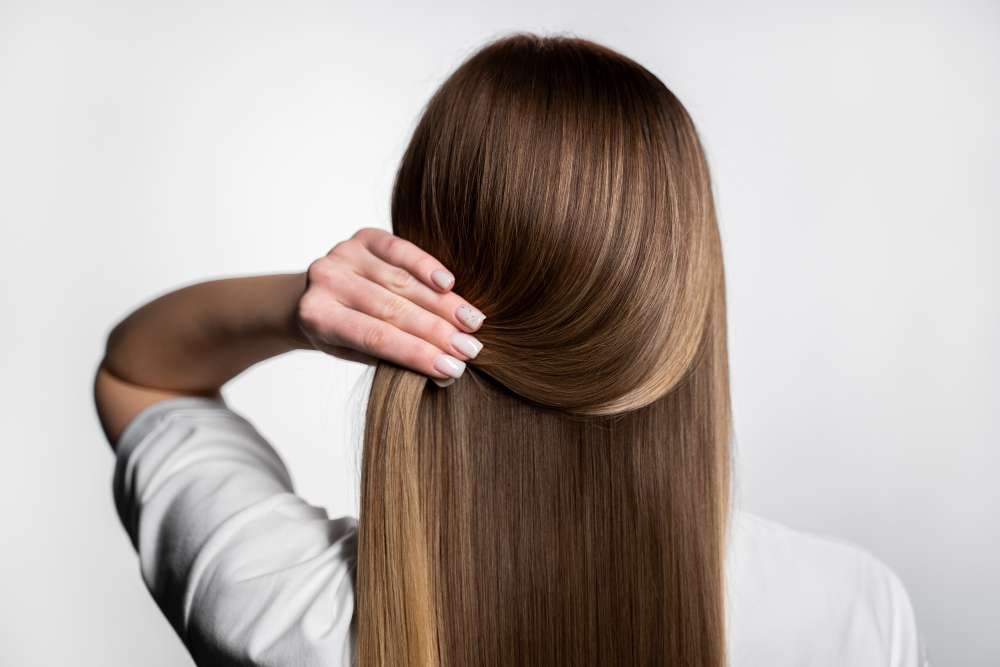

Thinning hair, slow growth, or strands that just won’t seem to thicken up usually comes down to a nutrient gap rather than genetics alone, and that’s actually good news, because it means there’s something you can do about it. The vitamins most directly tied to hair growth and thickness are Biotin (B7), Vitamin D, Vitamin A, Vitamin C, Vitamin E, and the iron-supporting B-vitamins like B12 and folate. Together, these nutrients keep your hair follicle’s growth cycle on track, strengthen the hair shaft, and cut down on shedding caused by deficiency. We’re breaking down each vitamin here, how it works, and how to actually use it for results you can see.
Why Vitamins Actually Matter for Hair Growth
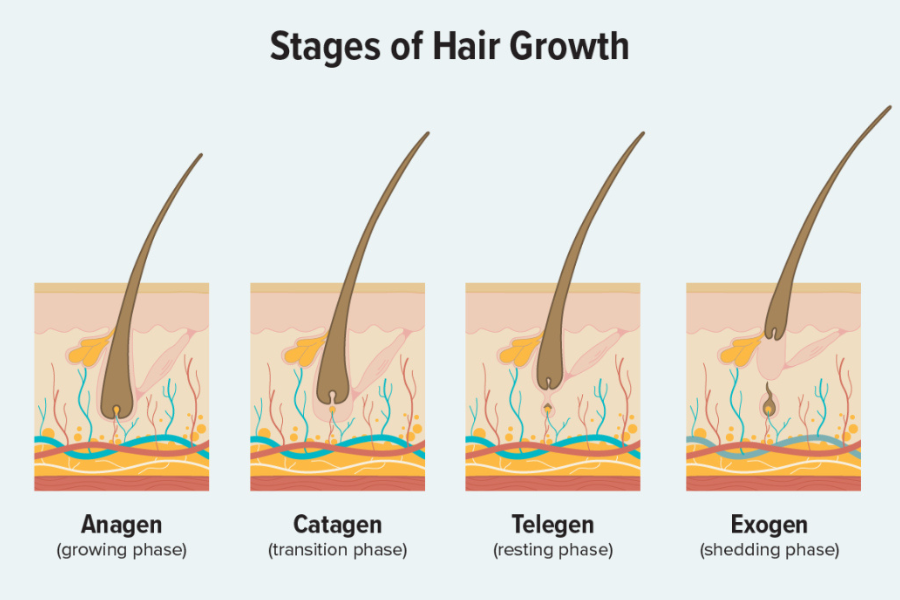
Your hair follicles are some of the most metabolically active structures in your body, which means they need a steady, constant supply of nutrients just to keep producing new cells. Here’s the catch: hair is considered a non-essential tissue, so the moment your body senses a shortage of key vitamins or minerals, it pulls resources away from the follicles first. That’s exactly why deficiencies tend to show up as extra shedding, brittle strands, or growth that just stalls out, often before anything else feels off.
Your hair growth cycle runs through three phases: anagen (growth), catagen (transition), and telogen (resting/shedding). A vitamin deficiency can shorten that anagen phase and push more follicles into shedding mode earlier than they should, which is why fixing a deficiency usually takes three to six months to actually show up in the mirror, matching your hair’s natural cycle.
The Vitamins Worth Knowing About
The best vitamins for hair growth and thickness are the ones that directly support keratin production, scalp circulation, and follicle health. Here is the breakdown.
Biotin (Vitamin B7)
Biotin backs up your keratin infrastructure, basically the protein your hair shaft is built from, and its deficiency is one of the few nutrient gaps tying it to hair loss.
- Found in: eggs, almonds, sweet potatoes, and organ meats
- Typical supplemental range: 30–100 mcg daily for general support
- Best for: people with a diagnosed deficiency, not as a general fix
Vitamin D
Vitamin D helps create new hair follicles and plays a role in regulating your growth cycle, and its low levels have been linked to hair thinning or alopecia and telogen effluvium or sudden stress-related hair shedding that everyone dreads.
- Best natural source: sunlight exposure
- Dietary sources: fatty fish, fortified dairy, and egg yolks
- Smart move: get a blood test to confirm deficiency before you start supplementing
Vitamin A
Vitamin A supports sebum production, the natural oil that keeps your scalp and follicles moisturized, but here’s the twist: both too little and too much can trigger hair loss, so balance is everything.
- Found in: sweet potatoes, carrots, spinach, and liver
- Watch out for: hypervitaminosis A, a documented cause of shedding from over-supplementing
- Safer bet: whole-food sources over high-dose supplements
Vitamin C
Vitamin C is essential for collagen production and helps your body absorb non-heme iron from plant foods, both of which add up to stronger hair and less breakage.
- Found in: citrus fruits, bell peppers, and strawberries
- Bonus role: acts as an antioxidant, protecting follicles from oxidative stress
- Pro tip: pair it with iron-rich meals to boost absorption
Vitamin E
Vitamin E is an antioxidant that helps ease oxidative stress on the scalp, and some studies link it to improved hair density after a few months of consistent use.
- Found in: sunflower seeds, almonds, and spinach
- Comes in: both oral supplement and topical oil form
- Heads up: high doses can thin the blood, so check with a doctor first
B-Complex Vitamins (B12 and Folate)
B12 and folate are necessary for producing the red blood cells that carry oxygen and nutrients to your scalp, so a deficiency in either can leave you with diffuse thinning.
- Worth knowing: B12 comes almost exclusively from animal products, so vegans and vegetarians run a higher deficiency risk
- Folate sources: leafy greens, legumes, and fortified grains
- Good news: deficiency-related hair loss from either is usually reversible once levels are corrected
The Minerals That Work Alongside Your Vitamins
Several minerals act as cofactors that your vitamins actually need in order to do their job for hair growth, so it’s not just a vitamin story. Iron is the big one: low ferritin, your stored iron, is one of the most common reversible causes of hair thinning, especially for women. Zinc supports tissue repair and keeps the oil glands around your follicles working properly, while selenium supports the enzymes involved in follicle metabolism. A vitamin-only approach that skips these minerals often falls flat, because the real deficiency might not be a vitamin at all.
How Long Does It Take to See Results?
It typically takes three to six months to see visible results from hair vitamins, simply because hair grows in cycles and newly nourished follicles need time to produce noticeably longer, thicker strands. Shedding might even look a little worse in the first few weeks as weaker hairs get pushed out to make room for healthier growth, so don’t panic if that happens. Consistency matters way more than dosage here; taking vitamins on and off rarely moves the needle, while daily intake that lines up with your hair cycle actually gives your follicles time to respond.
Can You Overdo It on Hair Vitamins?
Yes, and it’s more common than people think. Vitamin A and selenium are the two most likely to backfire and cause hair loss when you take too much, rather than prevent it. Fat-soluble vitamins like A, D, and E build up in your body over time since they aren’t easily flushed out, unlike water-soluble ones like biotin and vitamin C. This is exactly why a blood test to confirm an actual deficiency beats guessing and supplementing broadly, especially with fat-soluble vitamins.
Best Food Sources for Hair Growth Vitamins
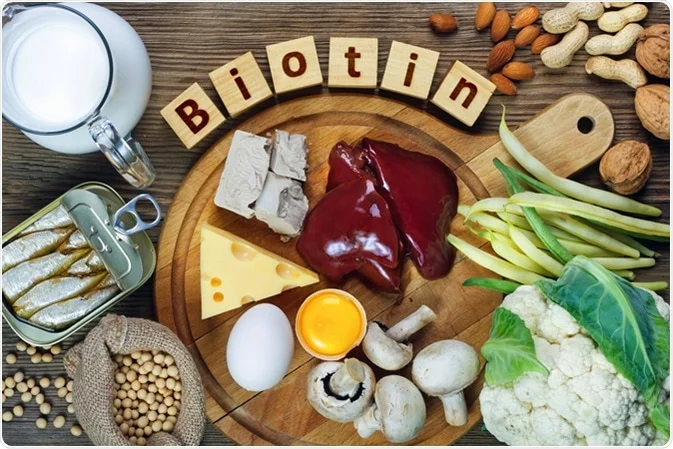
Getting your vitamins from food is generally the safer route than supplementing blindly, since whole foods carry a lower toxicity risk and come bundled with complementary nutrients your body can actually use.
- Eggs – biotin, protein, vitamin B12
- Spinach and leafy greens – folate, iron, vitamin A, vitamin C
- Fatty fish (salmon, mackerel) – vitamin D, omega-3 fatty acids, protein
- Sweet potatoes and carrots – vitamin A (as beta-carotene)
- Nuts and seeds (almonds, sunflower seeds) – vitamin E, biotin, zinc
- Citrus fruits and bell peppers – vitamin C
- Legumes and fortified grains – folate, iron, zinc
- Liver and organ meats – vitamin A, B12, iron, biotin
Should You Get a Blood Test Before Taking Hair Vitamins?
Yes, and it’s honestly the most reliable way to figure out which specific nutrient, if any, is behind your hair thinning instead of guessing and risking excess intake. A standard panel usually checks ferritin, vitamin D, B12, and thyroid function, since thyroid imbalances tend to mimic vitamin-deficiency hair loss almost exactly. Supplementing without testing first can mask a bigger underlying issue, delay proper treatment, and, in the case of fat-soluble vitamins, actually cause the very hair loss it was supposed to prevent.
Your Hair Growth Game Plan: A Final Word
When it comes to hair growth, vitamins aren’t a magic fix; they’re one piece of a bigger picture that includes genetics, hormones, stress, and overall health. The real move here is identifying whether a deficiency is actually behind your thinning before you start stacking supplements, and giving whatever you choose the full three to six months it needs to show up.
Let your routine be guided by what your body actually needs, not by whatever’s trending, and let food do the heavy lifting wherever it can. Thicker, stronger hair is less about doing more and more about doing the right things consistently.
Frequently Asked Questions
What vitamin deficiency causes hair loss the most?
Iron deficiency (low ferritin) is the most common nutrient-related cause of hair loss, followed closely by vitamin D and B12 deficiencies, particularly in women and vegetarians.
Can biotin alone regrow hair?
Only if you actually have a genuine biotin deficiency. For people with normal biotin levels, extra supplementation typically shows little to no effect on growth.
Do hair growth vitamins work for everyone?
No. Hair growth vitamins only work when thinning is caused by an actual nutrient deficiency; hair loss from genetics, hormones, or autoimmune conditions needs a different treatment approach altogether.
How much biotin should I take for hair growth?
Most adults need only about 30 mcg of biotin daily from diet alone, and higher supplemental doses of up to 100 mcg are typically reserved for confirmed deficiencies rather than general growth support.
Is it better to get vitamins from food or supplements for hair growth?
Food is generally the safer source, since it lowers your risk of toxicity from fat-soluble vitamins and brings a broader range of supporting nutrients that supplements just can’t replicate.
Can too much vitamin A cause hair loss?
Yes. Excessive vitamin A intake, known as hypervitaminosis A, is a well-documented cause of hair shedding, which makes high-dose supplementation without medical guidance a real risk.
Do prenatal vitamins help with hair growth?
They can, for pregnant women, since prenatals carry higher doses of folate, iron, and B-vitamins. They aren’t formulated or necessary, though, for non-pregnant people chasing hair growth.
How long before biotin shows results for hair?
Like most hair vitamins, biotin typically takes three to six months of consistent use to show visible results, simply because that’s how long it takes for new growth to become noticeable.