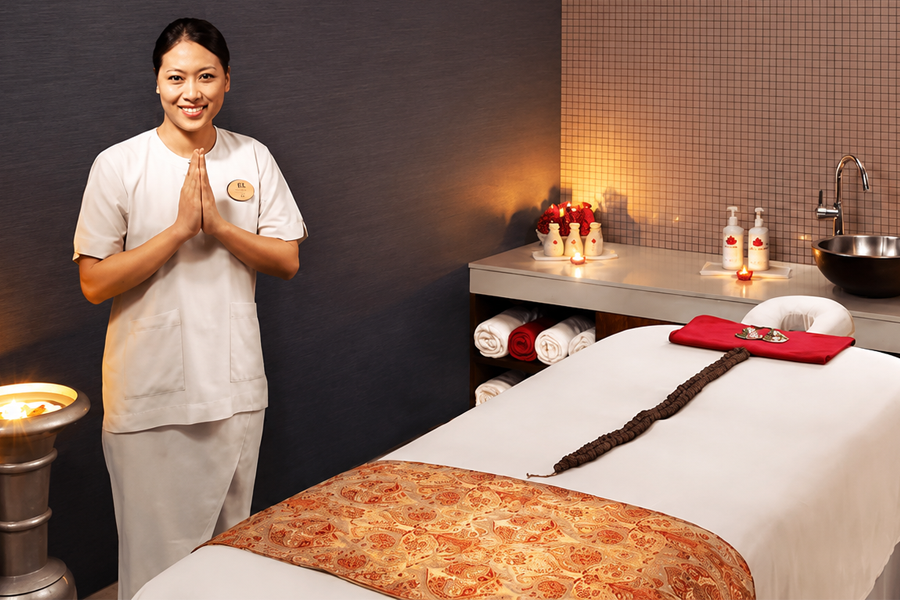


Increasingly, work pressure, fast life and overdependence on digital media makes people end up overwhelmed and stressed. How can we change this?
However, here is the hopeful part: We have the power to change this.
Prioritizing mental wellness—by taking mindful breaks, disconnecting from screens, and nurturing genuine relationships—can transform our lives. Let us make room for self-care, compassion, and presence. Because when our minds are strong and balanced, everything else falls into place.
Firstly, let us understand what ‘wellness’ is… and what ‘mental wellness’ is.
Well-being is all about feeling good and being in harmony—physically, emotionally, and even in your surroundings. It is like being the best version of yourself, feeling happy, healthy, and at peace. Think of it as thriving and not just ‘getting by’ superficially.
Mental wellness takes it a step further. It is about taking care of your mind so you can handle life’s ups and downs with resilience. It is not just about avoiding problems but actively building skills to cope with stress, sadness, or setbacks. When you are mentally well, you are more likely to feel fulfilled, balanced, and capable of living your best life. Mental wellness gives us clarity, clarity means you see more clearly, and interrelations become more apparent.

Who needs mental care?
- Those who are not free from internal conflicts
- Those who cannot adjust to situations and people
- Who are sensitive to the emotional needs of others
- Those who have no control over their emotions (constantly giving in to strong feelings of fear, jealousy, anger or guilt).
Mental Wellness at the Workplace
Promoting mental wellness in the workplace isn’t just a ‘nice-to-have’—it is a vital foundation for a healthy, productive environment where everyone can thrive.
Unfortunately, many business owners overlook this simple yet powerful truth. Instead of creating a supportive space, they often focus solely on profits and put pressure on staff without a clear plan or genuine involvement. This approach can leave employees feeling demotivated, undervalued and, ultimately, ready to leave.
Companies often hire experts with the best intentions, only to dismiss their advice. But what’s the point of bringing in someone with knowledge if you’re not going trust their guidance? True success comes from fostering a culture of respect and trust. When employees feel valued, heard, and supported, they are more likely to go the extra mile, which benefits everyone.
How can each of us contribute to this positive change?
It is completely normal for anyone to feel clueless, irritated, or frustrated at times, whether at work or home. But we know that challenging situations can sometimes turn into the most memorable experiences, especially when handled with patience and empathy. Often, what seems like a disaster can transform into an opportunity to create lasting loyalty and positive memories for our colleagues and loved ones alike.
Offer Support:
- Professional help, mindfulness, and joyful activities can support Mental Well-being.
- A genuine, heartfelt smile can be a powerful tool. It has the remarkable ability to lift someone out of depression, a bad mood, or irritation. When you smile intentionally, it triggers a chemical response in the brain, encouraging feelings of happiness and joy. But an intentional smile when you are not feeling great can help improve your mental state. It relaxes facial muscles, calms the nervous system, and promotes the release of endorphins—the body’s natural feel-good chemicals.
- Start some form of physical activity while you are healthy and active. Starting with the self-care routine after you fall sick is not a smart choice. We use our bodies to achieve any kind of goal, but never focus on maintaining them. We never forget to send our car to the mechanic, but we do forget our health until it starts giving us trouble.
- Breathing well is the secret of being happy and leading a stress-free life. It is a proper breathing technique because it is vital to our health and well-being. When we are under stress or overexcited, we tend to hold our breath or breathe very shallowly. This causes a lack of oxygen to the body and ultimately to the brain. This leads to increased stress and fatigue, and sometimes panic. We can go for weeks without food, days without water, but only a few minutes without oxygen.
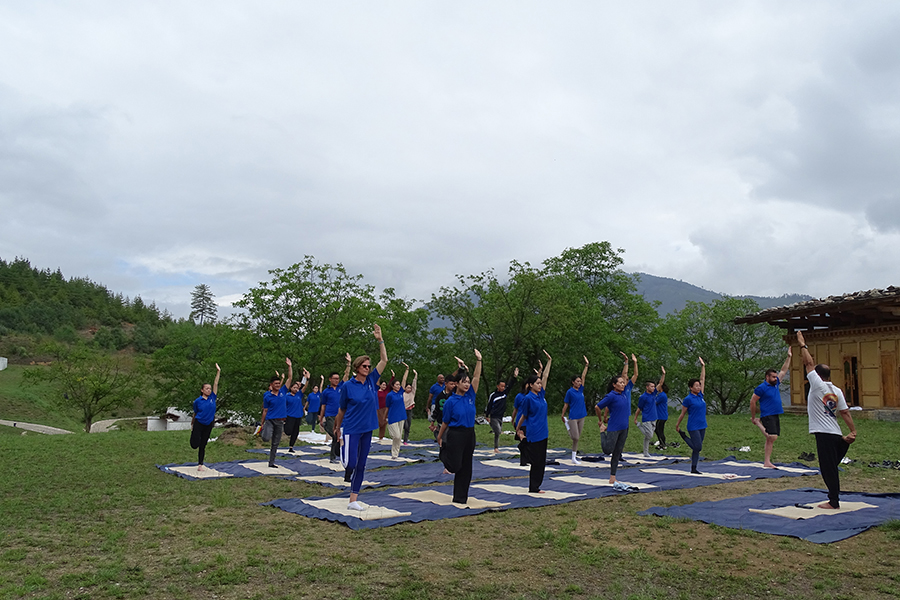
Mental Care Regimen
- After getting up in the morning, laugh aloud for at least 30 seconds. It sets a positive mood and most likely keeps you cheerful for the entire day.
- Close your eyes after a loud laugh for one minute; this will help you to be determined and focused for the day.
- Walk 10,000 steps every day. It can lower mortality risk, enhance cardiovascular health, and improve metabolic function.
- Practice breath work, which will help to reduce stress, anxiety, and depression, improve mood, and enhance relaxation.
- Have seasonal and regional food. You get better taste and nutrients.
- Fasting once a month is a good practice for detoxification
- Create a juice or infused water intake during working hours instead of coffee/tea, which often leads to high cortisol release in the body, and eventually our mind does not get relaxed.
- Sleep for 6-8 hours daily to recover the system.
- Switch off all electronic devices an hour before sleeping. This will help you for better sleep.
- Before sleep, at night, contemplate the whole day’s activities. By practising this, you can become a better version of yourself.
Conclusion
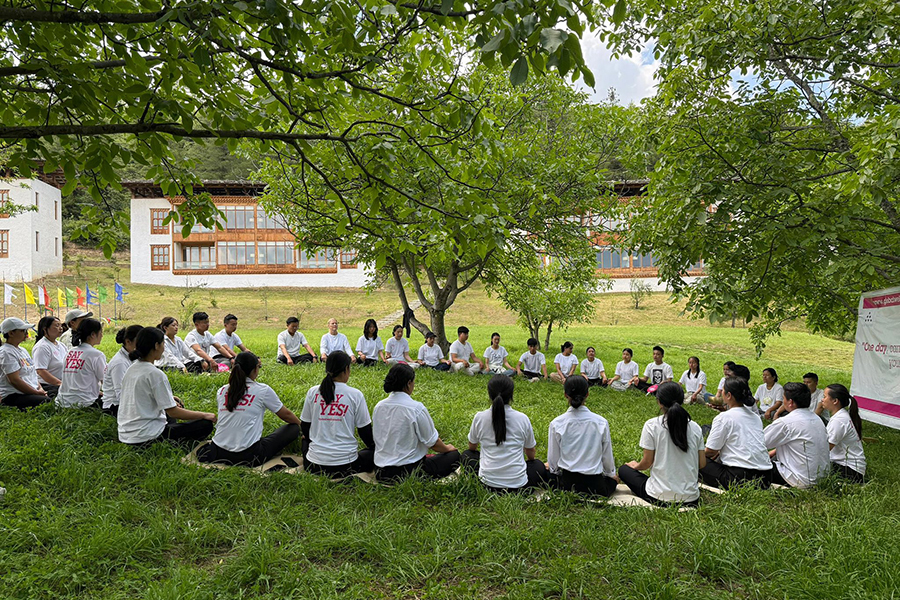
To improve mental health, focus on positive actions and avoid those with negative consequences. Self-awareness is key, as many problems stem from our reactions. Managing challenges requires pausing, reflecting, and reconnecting with oneself. Prioritize slowing down, enjoying moments, and cultivating a positive mindset. This approach helps foster well-being and resilience.
“Think positive, do positive, and live positive.”
About the author:

Ram Chatterjee is the Country Director of Spa and Wellness Operations for Six Senses Bhutan. He is also the Global Wellness Day and World Digital Detox Day- Brand Ambassador of Bhutan. Armed with an expansive experience of 25 years in the global hospitality, health, and wellness industry, he has collaborated with renowned international brands such as Taj, ITC-Sheraton, Accor, IHG, Hyatt, Kimpton, and Six Senses.