
Seasoned fashion photographer Arjun Chipalkatti breaks down how intentional visuals elevate your salon’s brand perception, resulting in commercial success.
Words | Preeti Kulkarni
In 2026, salon photographs can no longer be an afterthought, to be hurriedly produced when needed. . Salon photography has become a strategic business tool — as important to a salon’s commercial identity as its interior design, service menu or pricing strategy . According to acclaimed fashion and interior photographer Arjun Chipalkatti, how a salon looks through visual media directly shapes how it is valued by clients, long before they ever walk in the door.
Salon photography today must do more than document a space or a hairstyle. It must reflect the brand’s positioning and differentiate it in an increasingly competitive market. Arjun emphasizes that there isn’t a one-size-fits-all approach — what works for one salon can actively undermine another.
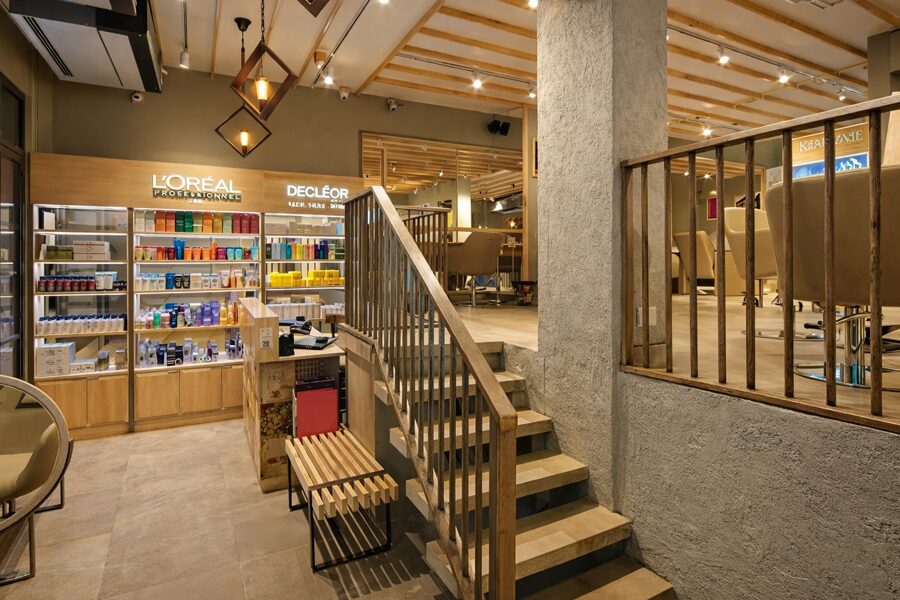
Visual Identity Should Match Business Identity
Arjun’s first point is simple but often overlooked: “Different salons require different visuals.” He illustrates this with a comparison rooted in real client work.
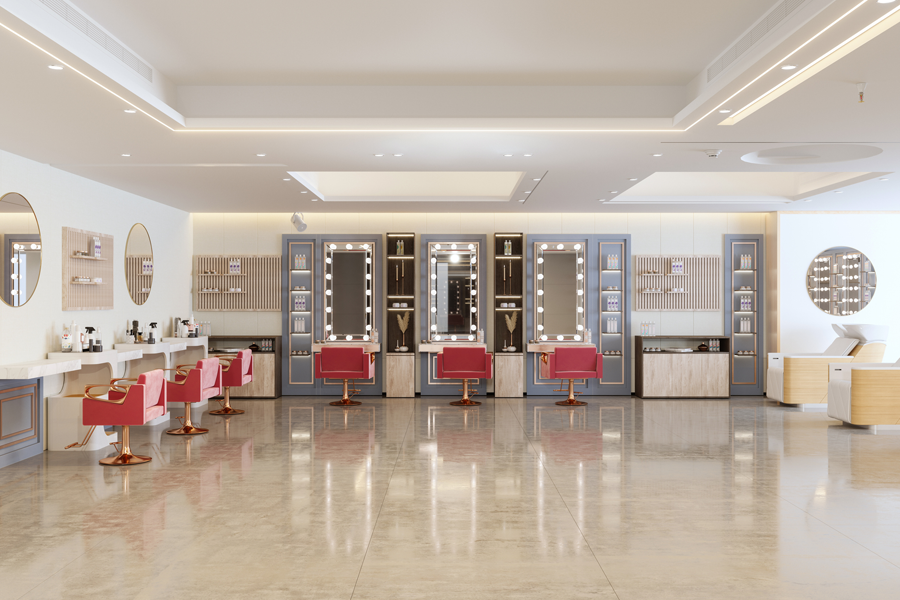
A salon inside a business-oriented hotel — for example, one attached to a corporate property — will feel clean, crisp and highly functional. There are no extravagant design flourishes, and the atmosphere prioritizes efficiency. That aesthetic is the brand, and it needs to be reflected in every image.
By contrast, luxury salons with rich interiors, bespoke service rituals, and high-end pricing need visuals that communicate experience, not just infrastructure. In these spaces, photography isn’t about chairs and stations — it’s about texture, mood, emotion, and immersion.
“You don’t shoot it like four chairs and four mirrors. You shoot experience.”
What he calls a salon’s modus operandi should guide every decision a salon makes about lighting, composition, subject, background and even motion.
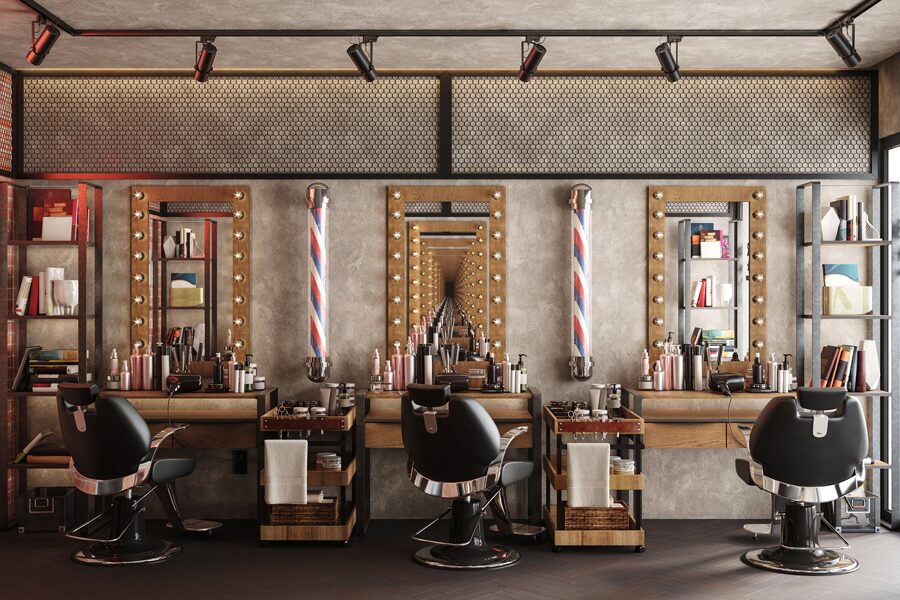
Photography and Pricing Are Interlocked
Photography doesn’t just show quality — it signals value. In the eyes of a client, visuals serve as proof of expertise long before an appointment is booked.
For mid-tier salons built around accessibility and solid craft, a clean, straightforward aesthetic reassures clients that they’ll get consistent, dependable results. For higher-tier luxury salons, more atmospheric photography creates desire and taps into the aspirational sentiment of the clients.
Arjun notes that salons like Enrich (a brand known for accessible yet refined service) and high-end boutique brands require distinct visual vocabularies — and their photography must be intentional, not interchangeable.
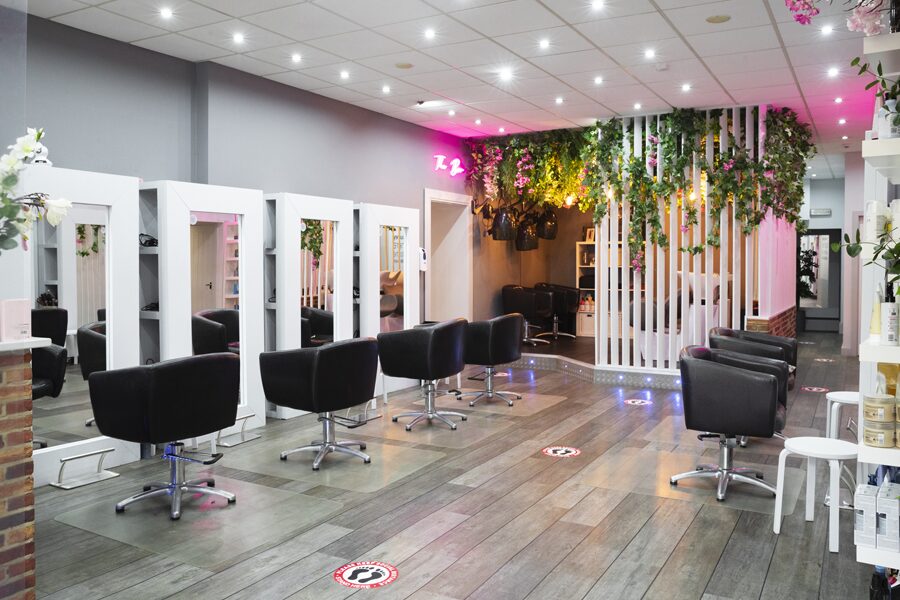
Using Visual Content as the New First Impression
Today’s digital-first consumers make choices with a thumb-scroll before they make them with a conversation. Digital platforms like Instagram, Google Business, booking apps and even WhatsApp portfolios are the new showroom floor.
“When you walk down a high street, you see five salons in 500 meters,” says Arjun. “Photography and media help you differentiate between a good and a bad — at least in the eyes of the consumer.”
Visuals do double duty: they inform and influence. Sharp photos and thoughtful video content tell a story of professionalism and care; poor visuals create doubt.
This shift has also changed what counts as salon photography. Static images are now part of a wider visual ecosystem that includes:
- Short-form video showing movement and texture
- Client testimonials on camera
- Behind-the-chair lifestyle moments
- Before-and-after sequences
All of these elements work together to show results, the environment, and the experience.
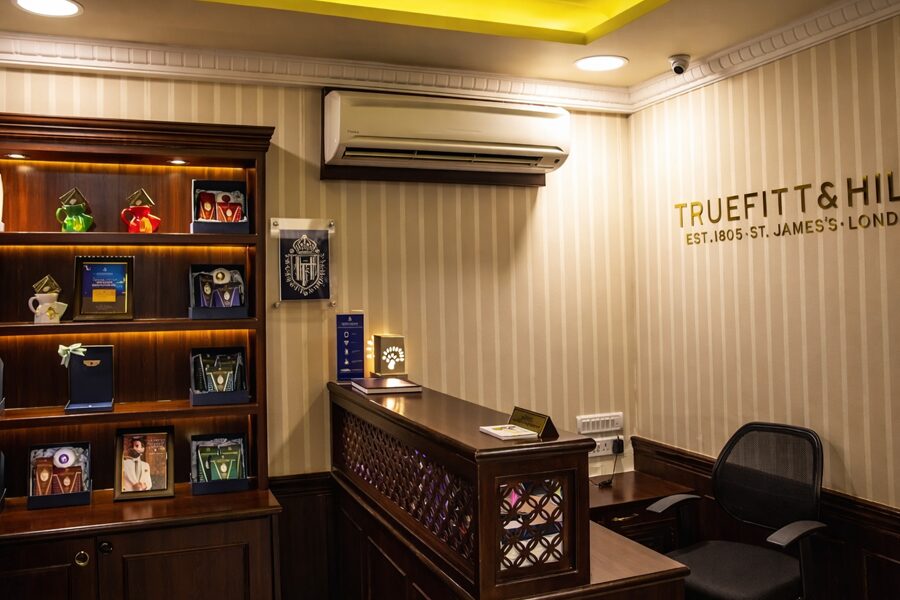
Fundamentals Haven’t Changed — But the Approach Has
Interestingly, Arjun believes that while platforms have evolved, the fundamentals of salon photography have not. “You still have to show your product,” he says. “That hasn’t changed in 20 years.”
What has changed is how dynamic and rich the media ecosystem is. Digital platforms demand versatility and scalability from visual content. Salons must think not just in stills, but in sequences, motion, and narrative clips that engage viewers across screens.
The key is intentionality: not every photo needs to be cinematic, but every shot should have a purpose. Whether it’s attracting a new client, supporting a promotional campaign, or reinforcing a brand narrative, visuals are now a core part of business strategy.
Takeaway for Salon Owners
In 2026, photography is more than decoration: it is:
- Positioning: Clear visual distinction between functional, premium, experiential or luxury salon.
- Persuasion: Strategic photography to convert client attention into appointments on digital platforms.
- Proof.: Your visuals should tell the world who you are before a conversation ever begins.