

Travelers increasingly choose holidays that are centred on sleep, fitness, mental wellbeing and recovery over traditional sightseeing and leisure.
Words I Bindu Gopal Rao
The idea of a holiday is increasingly becoming personalised as travellers look at holidays to sleep properly, move more, spend time outdoors, eat well, or simply step away from screens.
Slowing down

The reason for traveling is changing. The growth of wellness travel reflects this changing focus on choices of destinations. According to the Global Wellness Institute, the wellness tourism sector is set to grow at an average annual rate of 9.1% from approx. USD894 billion in 2024 through 2029.

It’s not that sightseeing and leisure are disappearing; what is changing is the reason people travel feels Abhilash K Ramesh, Executive Director, Kairali Ayurvedic Group. “One guest may want to focus on sleep, another on fitness or yoga, while someone else may simply want a few days away from the pace of everyday life. At Kairali – The Ayurvedic Healing Village is an example of this more focused approach. Its current program portfolio includes Sleep Restoration Therapy – Nidrā Chikitsa, Comprehensive Stress Relief & Mental Wellness Program – Manas Shānthi Chikitsa, and Complete Rejuvenation & Detoxification Therapy – Shodhanam Karma”. For spa and wellness businesses, that changes the guest experience.
Changing vistas

Burnout, digital fatigue and the pace of urban life have certainly played a role in these shifting choices. At the same time, wellness is becoming a more conscious part of how people live and travel. “Guests are becoming more intentional about sleep, movement, nutrition and mental wellbeing even when they are not looking to solve a particular problem.

Travel is increasingly becoming another setting in which people can sustain those habits, while taking a step back from the demands of everyday life and giving themselves time to focus on what matters most,” says Jayanti Gomes, Director of Spa at JW Marriott Hotel Bengaluru. Luxury today is also about having the time and space to feel well. The value lies in creating a stay where these elements come together naturally, leaving guests feeling cared for and restored.
Real luxury
Luxury is being defined by the quality of the experience rather than the amount of consumption involved. Guests still value beautiful accommodation, fine dining and attentive service, but there is growing appreciation for privacy, space, good sleep, time in nature and experiences that leave them feeling refreshed. “In that sense, luxury is becoming less about excess and more about having the freedom to use time well. This is also changing what travellers expect from luxury hospitality. Recent luxury-travel research points to privacy, space, emotional connection and wellness becoming important alongside traditional markers of luxury. For us, the idea is not that luxury and indulgence have disappeared.

Rather, they are being complemented by a more meaningful question: how does a guest feel at the end of the stay,” says Pardeep Siwach, General Manager, Mayfair Spring Valley Resort, Guwahati.
Seeking out
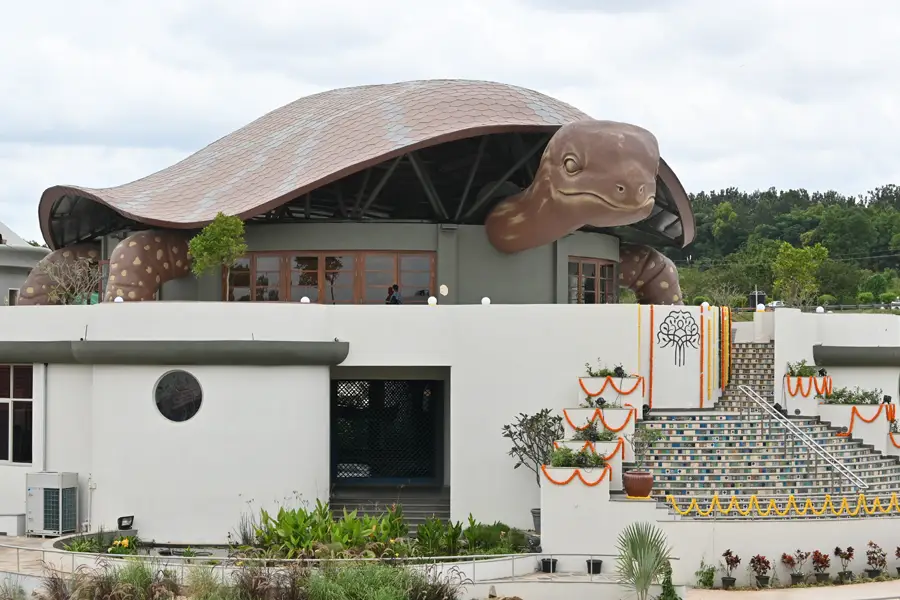
The body has many parameters of good health. Among them, sleep and gut are the two important parameters that play a major role in naturopathic hospitals. The current generation takes a break for about a week to overcome work-related stress. Despite this stress-free break, changes due to eating outside food and disturbed sleep due to long journeys are expected.

Dr. Narendra K. Shetty, Chief Wellness Officer, Kshemavana Naturopathy and Yoga Center, explains, “So, in these conditions, yoga, Ayurveda, and spa therapies help improve gut health and sleep. In yoga, we can give morning loosening-up and relaxation techniques, then later shift to dynamic. Whereas in Ayurveda, treatments like panchakarma, which last for one week, can be given for rejuvenation. Along with these, spa therapies such as massage therapy and hydrotherapy for treating these conditions. All these natural treatments will help to detox the body, improve sleep, improve gut health and appetite, and rejuvenate the body.”
Be Well

According to Minu Budhathoki, Director of Spa, Sheraton Grand Bengaluru Whitefield Hotel and Convention Center, people are placing greater value on their physical and mental health and are willing to dedicate both time and resources towards experiences that help them reset and establish healthier habits. “Hotels and resorts are responding by making wellness an integral part of the guest journey, from fitness and mindful movement to spa and restorative experiences. Shine Spa is part of this evolution, giving guests the opportunity to build relaxation and self-care into their stay,”she says.
Wellness travel is increasingly viewed as an investment in long-term wellbeing rather than an occasional indulgence. This mirrors a broader pattern across the hospitality industry, where wellness is being budgeted for the way fitness or nutrition once was, planned rather than added on.