
Typsy Beauty founder Kairavi Bharat Ram on changing beauty preferences, premium product demand and the growing influence of consumers beyond India’s metros.
India’s beauty consumer is becoming harder to define by geography. While metropolitan markets continue to be important for new trends and emerging brands, consumers in smaller cities are increasingly discovering premium beauty products, researching what they buy, and developing their own preferences.
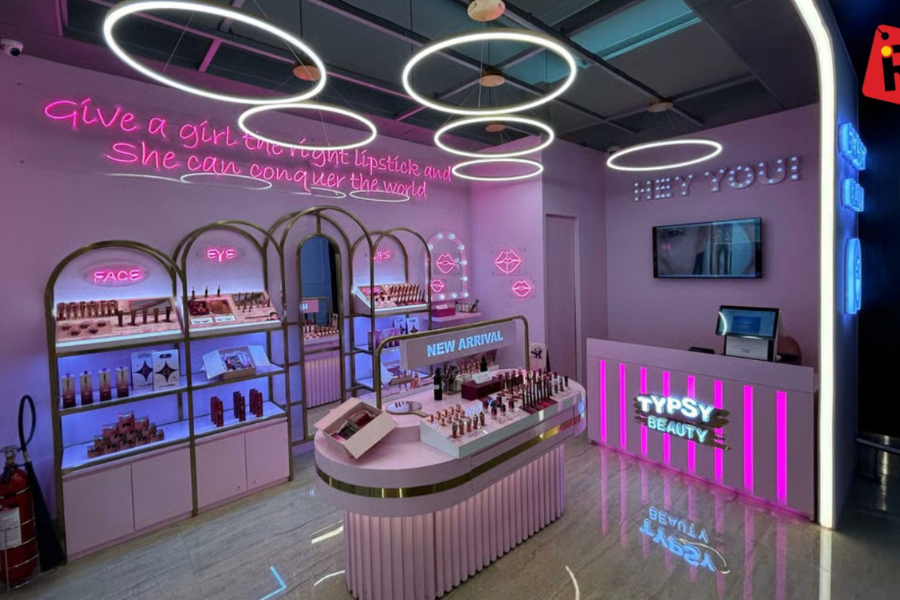
This change is creating a broader opportunity for homegrown beauty brands such as Typsy Beauty, a direct-to-consumer makeup brand founded by Kairavi Bharat Ram in 2021. The brand has built its identity around playful, multifunctional makeup, while placing equal emphasis on formulation and performance.
Typsy Beauty recently raised ₹20 crore in fresh funding, with Saama Capital leading the round. Sanjay Kapoor, founder of Genesis Luxury, and SRF Family Office also participated, along with existing investors including Tanaaz Bhatia and the family offices of Havells and Eicher Motors.
For Bharat Ram, the brand’s proposition has always gone beyond making products that look appealing. She believes consumers may be drawn in by design and personality, but repeat purchases ultimately depend on whether a product delivers.
That thinking has influenced Typsy Beauty’s approach to product development. The brand has focused on bringing what Bharat Ram describes as international-grade quality and packaging to Indian consumers, while developing formulations with Indian skin, climate and everyday use in mind.
The way consumers find beauty products has changed considerably. Social media has made product information, tutorials, reviews and emerging trends available to consumers regardless of where they live. Creators and peer recommendations can now influence purchase decisions alongside traditional advertising.
Bharat Ram believes this has also changed brand loyalty. Consumers are increasingly willing to move between brands when they find something that works for them, rather than remaining committed to a particular name simply because it is familiar.
For beauty companies, this means having a recognisable point of view is becoming as important as having a strong product range. Consumers want to understand what a brand stands for, but they also expect the products themselves to justify the attention.
The same digital access is influencing consumers outside India’s biggest cities. Tier 2 and Tier 3 markets are becoming more aware of premium beauty, with shoppers increasingly exposed to products and trends that were once largely associated with metropolitan consumers.
There are still differences in how the two groups shop. Metro consumers tend to experiment earlier with emerging trends, while smaller-city buyers may be more inclined towards dependable products, multifunctional formats and pack sizes that offer better value.
But the distinction is becoming less pronounced. A beauty trend that gains traction in a major city can now travel quickly to smaller markets through social platforms, creators and online retail.
For Typsy Beauty, this creates room to look beyond the traditional metropolitan customer. The opportunity is not simply about taking premium makeup to more cities, but about recognising that consumers across India are becoming more curious, informed and selective about what they purchase.