
Every few years, someone declares that print is dead. Every few years, the professionals still reading a well-edited, industry-specific publication look up briefly, then go back to reading. The conversation around what a new beauty magazine looks like in 2026 is more interesting than the tired print-versus-digital debate. Because the real question is not which format wins. It is what beauty media is actually for, and whether the platforms claiming to replace it are doing that job.
Most of them are not. Not fully.
What Digital Platforms Did Right
It would be dishonest to start anywhere else. Digital platforms changed beauty media in ways that mattered. They made content immediate. A new product launches in Paris on a Tuesday and a Mumbai makeup artist knows about it by Wednesday morning. A technique demonstrated at a London hair show is on Instagram before the event has even closed.
Speed, reach, and access were genuinely transformed. For the working beauty professional, that shift was useful. Staying aware of global movement in real time used to require expensive subscriptions and a long wait for the print edition. Now it requires a phone and twenty minutes.
The visual dimension also changed. Short-form video made technique education more accessible than it had ever been. A colourist watching a balayage application in real time learns things that a written description or static photograph cannot communicate. That is a real and lasting contribution.
What Got Lost in the Scroll
Here is where the conversation gets more honest.
The economics of digital content production push toward volume. More posts, more reels, more daily content to feed the algorithm. The result, across most beauty social media and many digital-only publications, is a relentless surface-level churn. Trend after trend introduced, briefly explained, and replaced within the week. No analysis. No professional context. No examination of whether what looks good on camera works in practice on real clients in real conditions.
A new beauty magazine built for the professional industry cannot operate on that logic. The salon owner trying to decide whether to invest in a new treatment protocol does not need another reel. She needs considered, sourced, practitioner-tested information. The makeup artist building a bridal portfolio needs to understand why a trend is moving, not just that it exists.
This is the gap that serious industry media still fills, and fills exclusively.
There is also the question of authority. Digital platforms are structurally flat. A first-year beauty student with good lighting and a confident voice has the same algorithmic starting point as a thirty-year veteran colourist. For the professional trying to distinguish credible information from content, that flatness is a real problem. A new beauty magazine with editorial rigour, industry relationships, and two decades of accumulated expertise is not competing with Instagram. It is doing something Instagram cannot do.
How the Two Actually Work Together
The more useful frame is not competition but function. What is each medium actually good for?
Digital platforms are good at:
- Real-time awareness of launches, events, and emerging looks
- Short-form technique demonstration and visual inspiration
- Community connection between professionals across geographies
- Direct brand-to-professional communication
Established beauty media is good at:
- Deep-dive feature coverage that examines trends with professional rigour
- Product and treatment reviews that account for real-world salon application
- Business and management insight for salon owners and spa operators
- Long-form interviews with industry figures that go beyond the promotional
- Historical context that helps professionals understand where the industry is going, not just where it is
The professional who uses both intelligently is better informed than one who relies on either alone. The mistake is treating a social media feed as a substitute for editorial journalism. It is not. It is a different thing entirely.
The Publication That Has Stayed Relevant Precisely Because It Did Not Chase Clicks
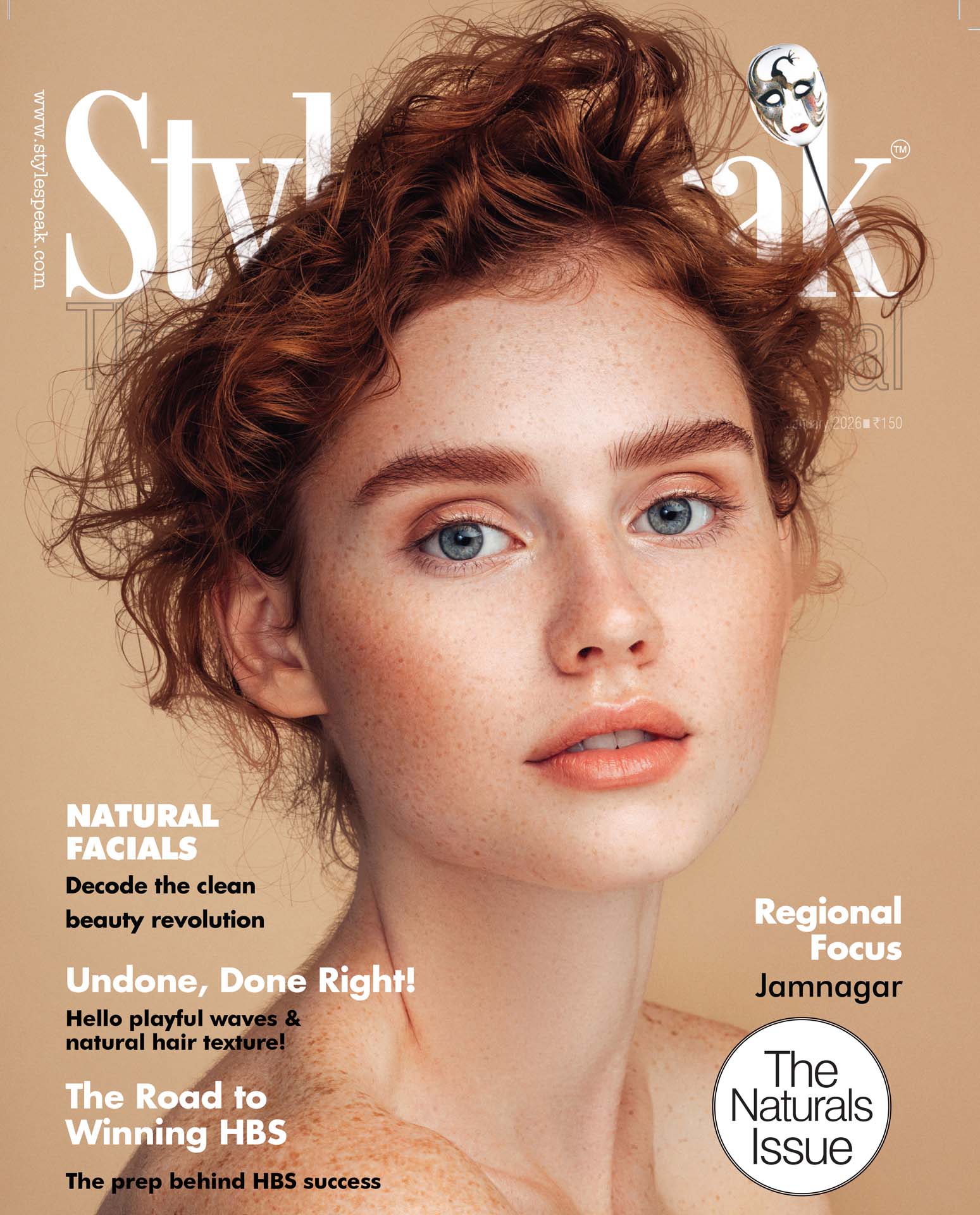
StyleSpeak is not a new beauty magazine. It is the publication that has been the professional beauty industry’s most trusted trade resource for over twenty-one years. That longevity is not accidental. It comes from a consistent editorial position: write for the practitioner, not the consumer. Cover what matters on the salon floor, not just what photographs well.
Every issue of StyleSpeak delivers industry news, trend analysis, product reviews, business guidance, and professional interviews written by people who understand what it means to run a salon, train a team, or serve a demanding bridal client.
In a media landscape full of noise, that remains rare.
Subscribe to StyleSpeak and read the publication the industry has trusted since 2002.