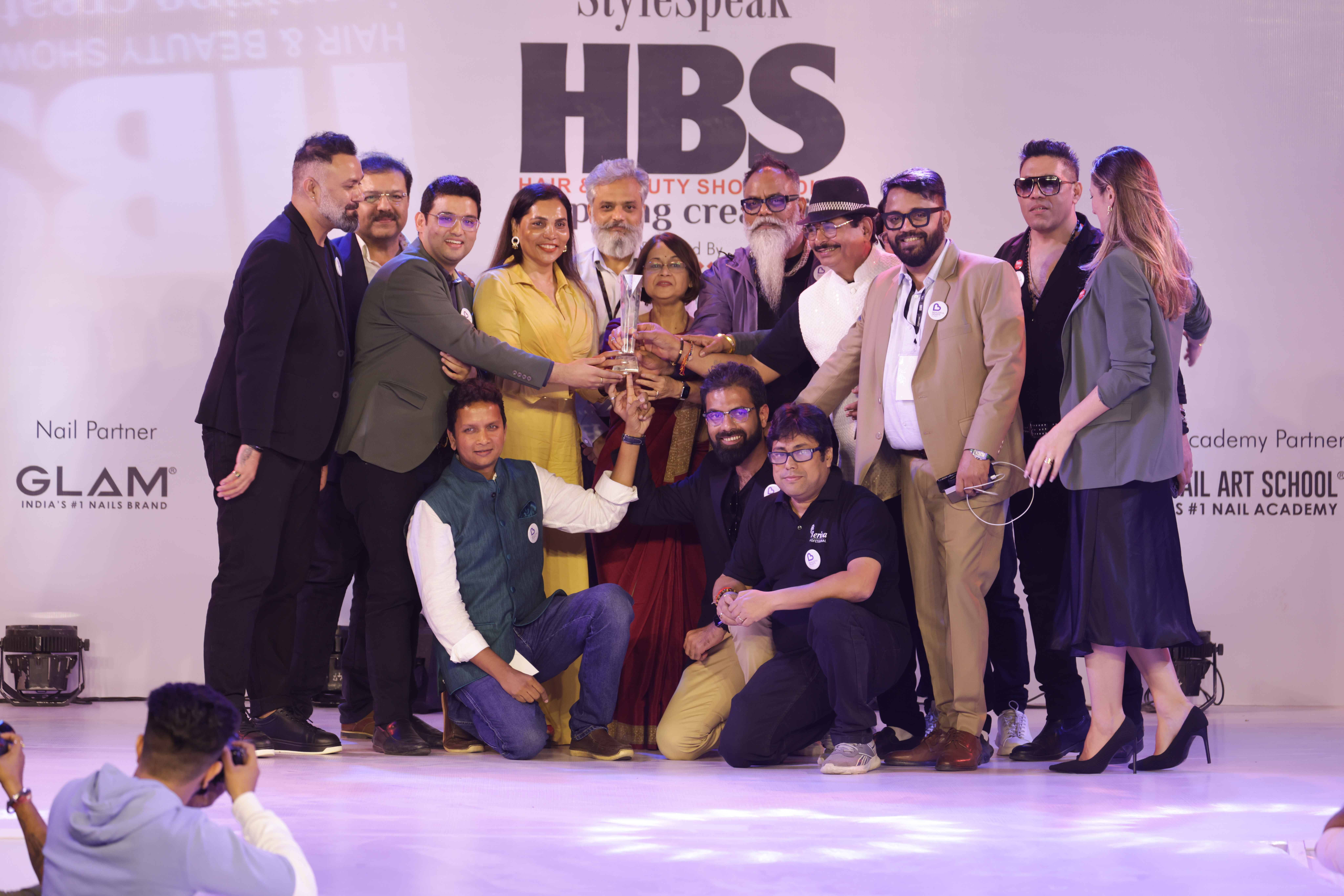


From using clean formulations to responsible salon processes and eco-conscious treatments, the sustainability movement is reshaping professional hair services.
Sustainability in the salon has moved well beyond ‘buzzword’ status and is fast becoming a professional ‘must-have’. As clients become savvier and brands reassess what goes into their products, hair professionals are witnessing a clear shift in how services are created, delivered, and valued. From cleaner ingredients and smarter backbar choices to water-wise practices, sustainable hair services are setting a new benchmark for modern salons.
Clean Chemistry Takes Centre Stage
In the sustainable salon era, treatment formulas are no longer about heavy silicones and generic conditioners. Professional salons in India are increasingly turning to technologies that work inside the hair structure rather than just coating the outside.
One of the biggest changes has been the move away from harsh surfactants and aggressive alkalising agents. Many professional shampoos and cleansers now use plant-derived or amino acid–based surfactants such as sodium cocoyl isethionate and sodium lauroyl sarcosinate. These ingredients cleanse effectively while being gentler on the scalp, safer for frequent washing, and more biodegradable than traditional sulphates. Brands like Davines and Aveda have built entire professional ranges around this philosophy.
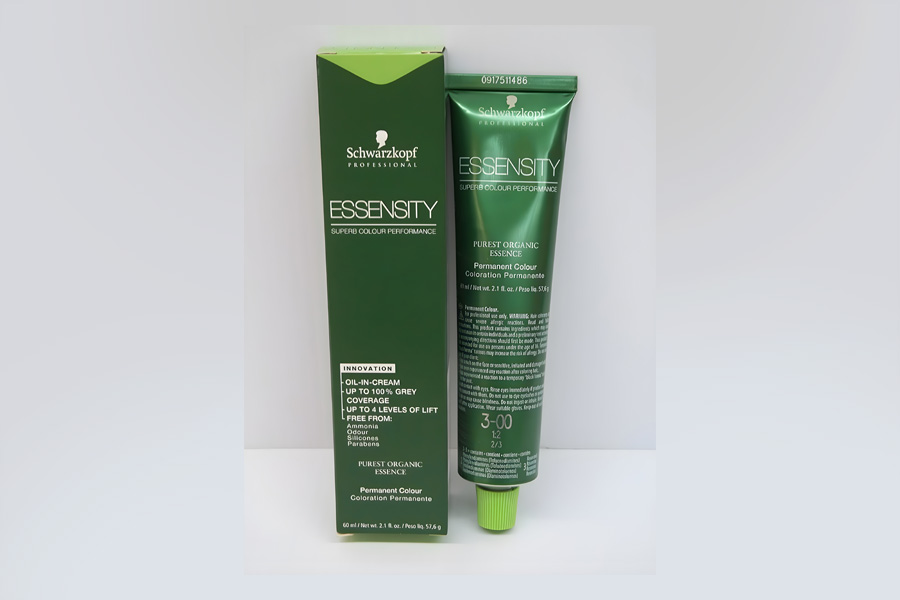
Hair colour has also seen a major clean-up as well. Ammonia-free and low-odour colour systems are now widely accepted on the salon floor. Schwarzkopf Professional Essensity is a strong example of how cleaner colour chemistry can still deliver depth, longevity, and grey coverage. Another evolution is the reduction of sensitising ingredients such as PPD (paraphenylenediamine) in hair colour. Professional brands like Wella Professionals have introduced alternatives such as ME+ technology in Koleston Perfect, designed to reduce the risk of new color allergies.
Treatment products, too, are getting smarter. For example, Olaplex remains a go-to in many Indian salons with its patented bond-building ingredient bis-aminopropyl diglycol dimaleate, which reconnects broken disulfide bonds in the hair’s cortex to strengthen and protect strands during and after chemical services. Its professional range (like the N°4 Bond Maintenance Shampoo and conditioners) is sulphate-, paraben-free and colour-safe, aligning with cleaner formulation standards.
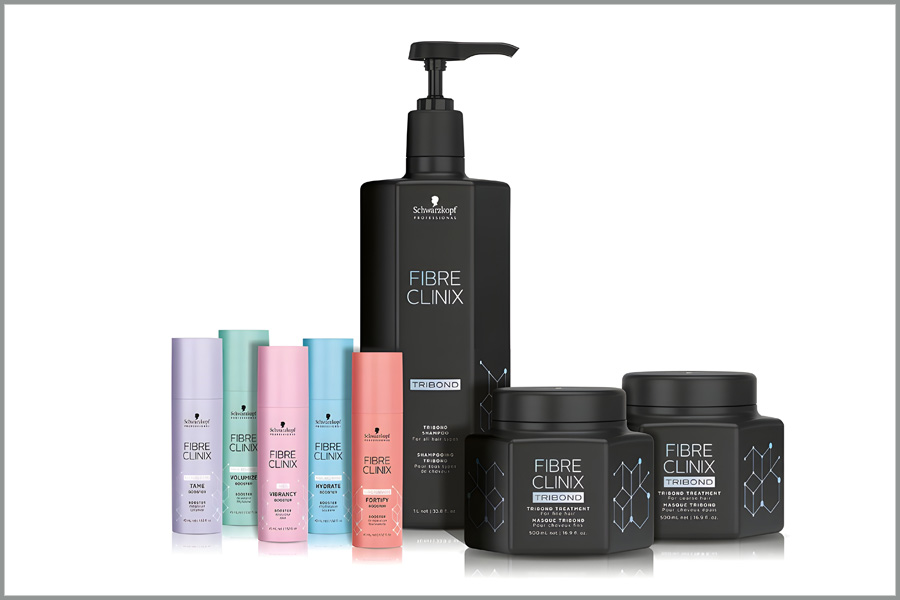
Schwarzkopf Professional’s Fibre Clinix uses multi-peptide and AHA technology, blending short amino acid chains and alpha hydroxy acids to rebuild inner hair fibres, enhance colour vibrancy, and improve hydration without heavy silicones—helping salons deliver performance with more biodegradable actives.
Backbar Efficiency

For salon professionals, sustainability is increasingly playing out at the backbar—the shampoo and treatment area where the highest volume of product and water is used. This is where product choice, usage, and waste directly impact both the environment and operational costs. Today’s professional brands are redesigning backbar systems to encourage smarter consumption without compromising service quality. Brands such as L’Oréal Professionnel, Wella Professionals, and Schwarzkopf Professional offer salon-exclusive formats that support precise dosing.
Water & Energy: Rethinking the Salon Floor
Water and energy consumption, especially at wash stations, colour areas, and styling zones, form a significant part of a salon’s environmental and operational footprint.
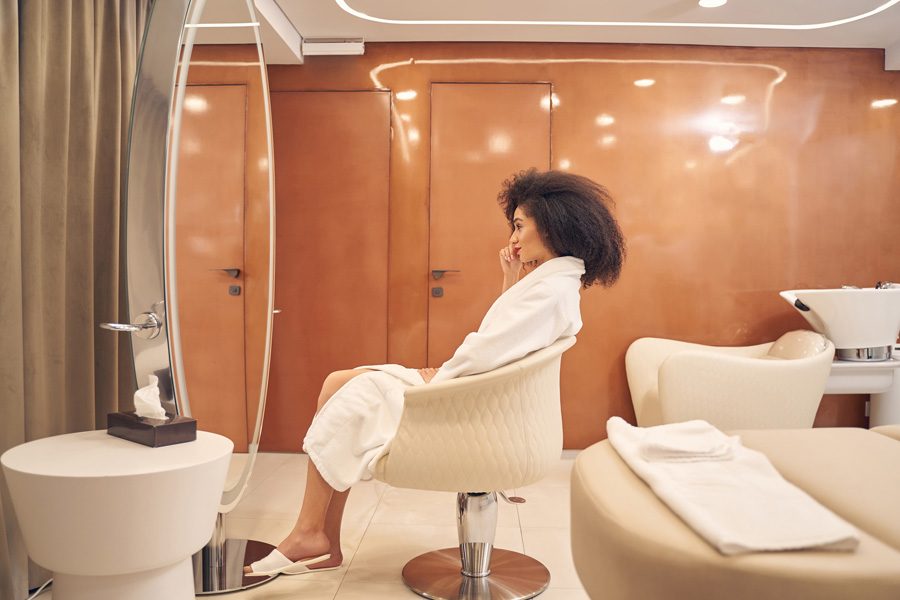
Many professional salons are now adopting low-flow backwash units, aerated taps, and efficient spray nozzles to reduce water usage without affecting rinse quality or client comfort. On the energy front, switching to LED lighting, using energy-rated dryers and styling tools, and managing heat-based services more strategically help lower electricity consumption. For salon owners, these changes cut costs, improve efficiency, and support sustainability goals without disrupting service quality.
Client Demand Is Reshaping Salon Strategy
Today’s consumers are far more aware of ingredients, processes, and environmental impact, and research shows a clear preference for salons that demonstrate responsible practices. Many are also willing to pay more for services that align with their values.
For salon professionals, this shift goes beyond ethics. Sustainability has become a powerful tool for differentiation and retention. Cleaner products, efficient systems, and responsible operations help build trust, strengthen brand perception, and foster long-term loyalty in an increasingly competitive market.
KEY TAKEAWAYS
- Sustainability is now a salon essential, not a trend
• Clean, low-impact formulations are redefining hair care
• Smarter treatments deliver results with less damage
• Efficient backbar systems cut waste and costs
• Water- and energy-wise salons run smarter
• Eco-conscious clients reward responsible salons