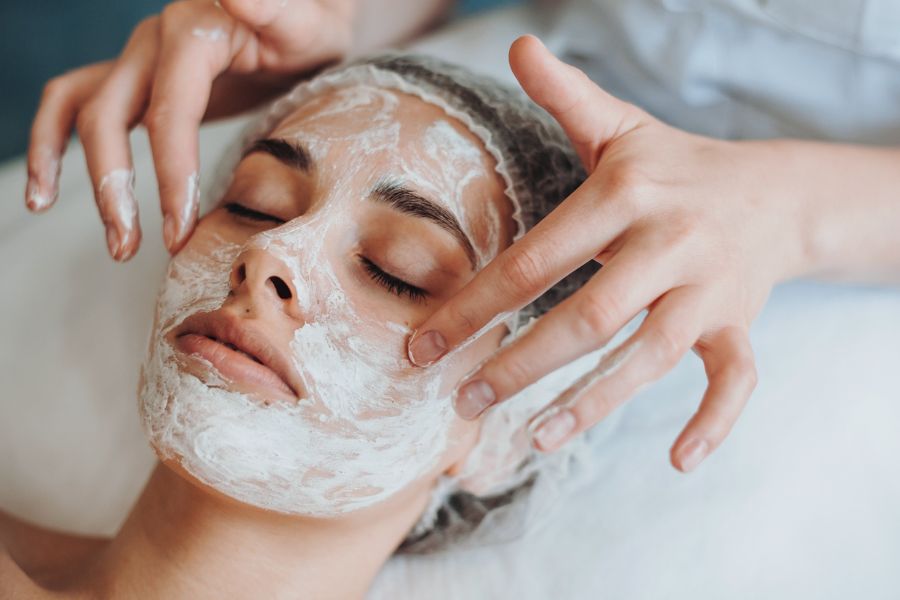

A quiet but powerful shift is underway in professional skincare as enzyme exfoliation promises to gently loosen and lift away dead, dull surface cells, revealing fresher-looking skin with far less risk of redness, burning, or recovery time. This is touted to be a better alternative to aggressive, harsh acid peels and abrasive scrubs.
How Do Enzyme Peels Work, Scientifically?
Enzymes work on a cellular level to accelerate the natural desquamation process. These gentle exfoliators cleave peptide bonds within corneodesmosomes—the protein structures that bind corneocytes. In simpler terms, for professionals, enzymes carefully break the tiny protein links that hold dead skin cells together, allowing them to shed naturally without harming live skin underneath.
Enzyme-Based Skincare: Advantages and Utility
Most professional enzyme treatments are derived from fruits such as papaya (papain), pineapple (bromelain), and pumpkin. These enzymes work only on the outermost layer of the skin and stop once dead cells are removed. Because they are self-limiting, the skin’s protective barrier remains intact — helping prevent dehydration, sensitivity, and post-treatment irritation.
Enzyme exfoliation also works as an ideal prep step in advanced facials. Once surface build-up is cleared, serums, masks, and moisturisers penetrate more effectively, enhancing overall treatment results. The visible payoff includes smoother texture, brighter tone, and a soft, “lit-from-within” glow — all achieved without downtime.
For salons serving today’s comfort-conscious yet results-driven clients, enzyme exfoliation is proving that gentle can still deliver powerful performance.