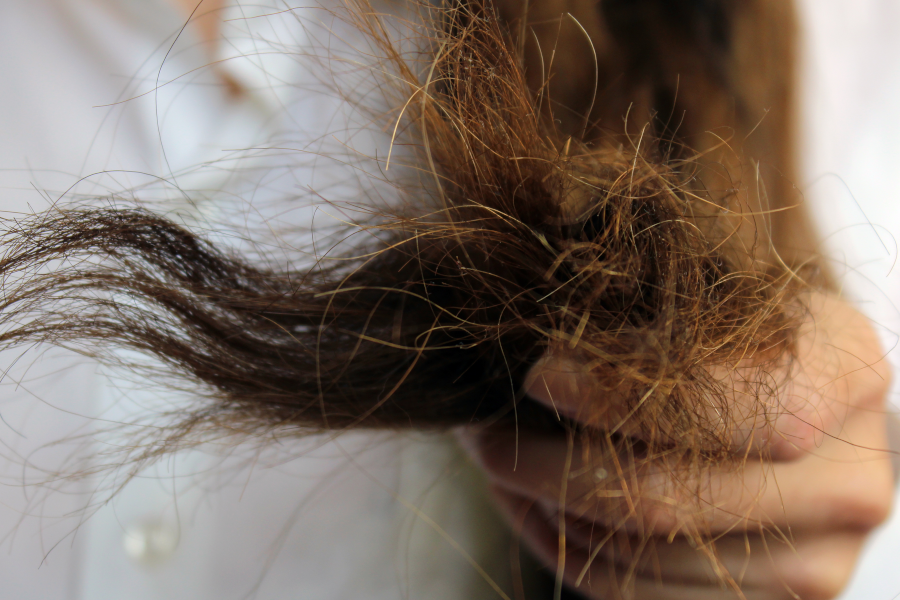

Heat from straighteners and blow dryers slowly denatures the keratin proteins and disrupts the cuticle structure in the hair. This causes breakage, split ends, and many hair-related problems. When it comes to a solution, cutting or trimming the damaged sections is still the best, and only permanent, one. It removes the frayed sections and prevents split ends from migrating up the shaft while healthy hair grows.
But not all clients have that luxury. While no manner of magic formula can reverse what’s already done, but it surely can manage the damage. Allowing the heat-blasted cuticles to survive till new hair replaces them.
So today in StyleSpeak, we will discuss how salons tackle situations like this where cutting damaged hair is out of the picture, and what kind of therapy, treatment, or specialised products they use.
What Heat Actually Does to Hair
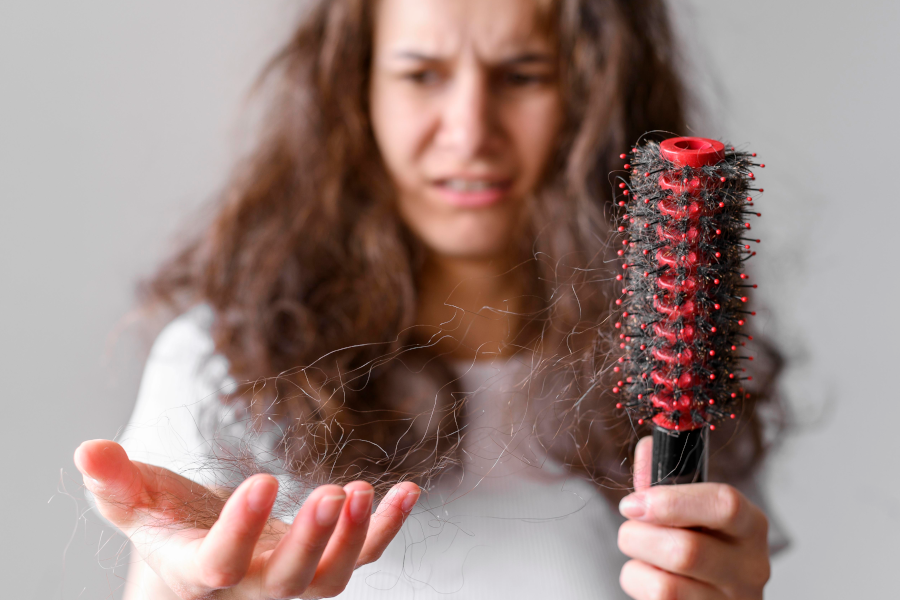
Hair is made out of 85% keratin proteins, 12% moisture, and 3% lipids. When heat touches it, either through sustained exposure or excessive use, the breakdown of those core components increases. Eventually altering the structural integrity of each strand physically, chemically, and at a microscopic molecular level.
Our eyes cannot see these changes. But we do see some side effects like tangly strands, split ends, a matte-like texture without applying any product, and strand breakage. These symptoms accelerate as the structural integrity of more cuticles starts to worsen, eventually reaching the stage of Heat-damaged hair.
To understand it, we have to know how heat affects the three core components of hair:
The Protective F-Layer or Lipids
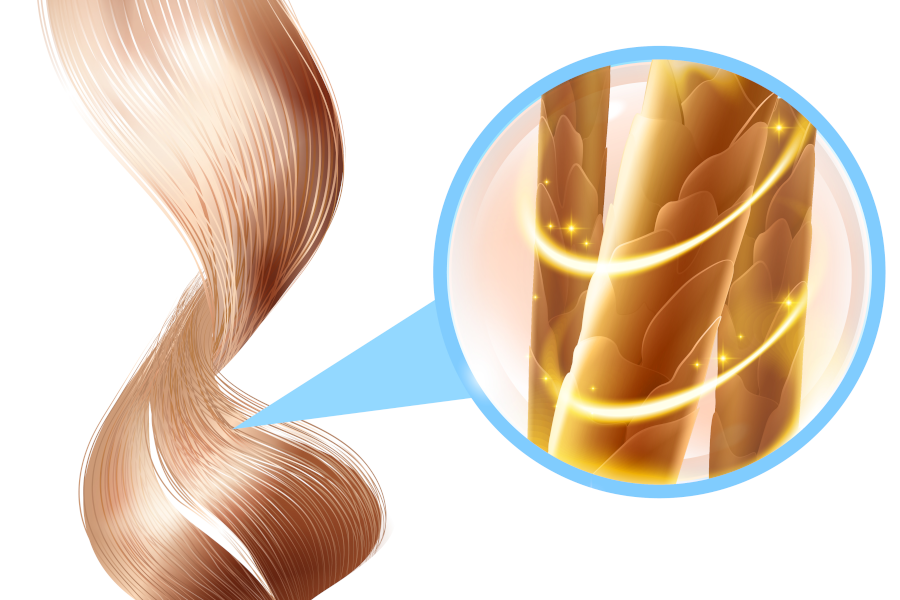
The outermost protective layer of hair is made of 18-methyleicosanoic acid (18-MEA), which is a microscopic fatty acid layer protecting the keratin and the moisture inside.
And just like any fat, it melts when exposed to heat. So when a curling iron or blow dryer hits the hair, it strips away the protective lipid layer, exposing cuticles underneath it. The heating tool isn’t the only cause here. Excessive exposure to sunlight without proper protection can also cause this.
And when this layer is gone, the hair transitions from hydrophobic, which means water-repelling, to hydrophilic, or water-absorbing. And when the damaged hair is exposed to humid weather, it absorbs water quickly, swells the shaft, and causes chronic frizz, all while failing to retain any moisture inside the hair.
Cuticle Damage
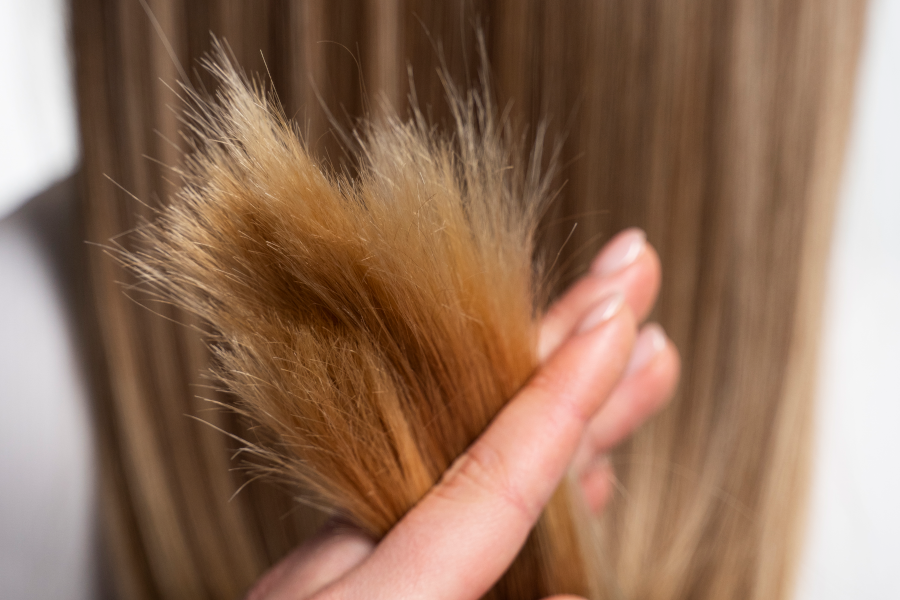
Now without the protective layer, hair cuticles are directly exposed to heat, causing their overlapping keratin scales to curl outwards and lift. These lifted scales then snag against other strands, creating friction, which we see as tangles in hair.
It’s not a random consequence; it’s a direct result of heat, which is now creating microscopic rifts between cuticles, since they are lifted and not overlapped.
These gaps expose the inner cortex of hair. And when this process is repeated over regular heat sessions, the lifted scales eventually crack, before breaking and fully exposing the inner cortex to environmental pollutants and friction.
The Structural Integrity or Moisture

Water doesn’t sit inside the inner cortex. The moisture is chemically bonded in the hair cortex via hydrogen bonds to the hydrophilic amino acid in the keratin chain. In simpler terms, the moisture is calculated in two sections.
- Absorbed Water: Comprises 3-4% and is only loosely held in the intercellular space. That’s why water goes in and out so quickly.
- Bound Water: It’s between 8-9%, and this one is structurally bound in the cortex. This water gives hair its elasticity and main strength, not the absorbed water.
Both moisture types are depleted in multiple stages. And finally transitions from a hydrated keratin stage to dehydrated hair. This breaks the equilibrium, causing hair to feel rigid or glass-like. When it’s combed or handled badly in this stage, the keratin layers crack before breaking in half.
Now hair cannot regulate its own moisture equilibrium and has reached a point of no return. Technology hasn’t advanced enough to repair those exposed cortexes fully, leaving us with specialized treatment that only manages the damage until new hair replaces the damaged one.
Professional Salon Treatments for Heat-Damaged Hair
To treat the damaged hair cuticles and fill the microscopic gaps, traditional wax or silicone baths won’t be enough. A dedicated treatment is needed. And a lot of popular salons offer two specific sessions for heat-damaged hair,
Molecular Peptide Repair
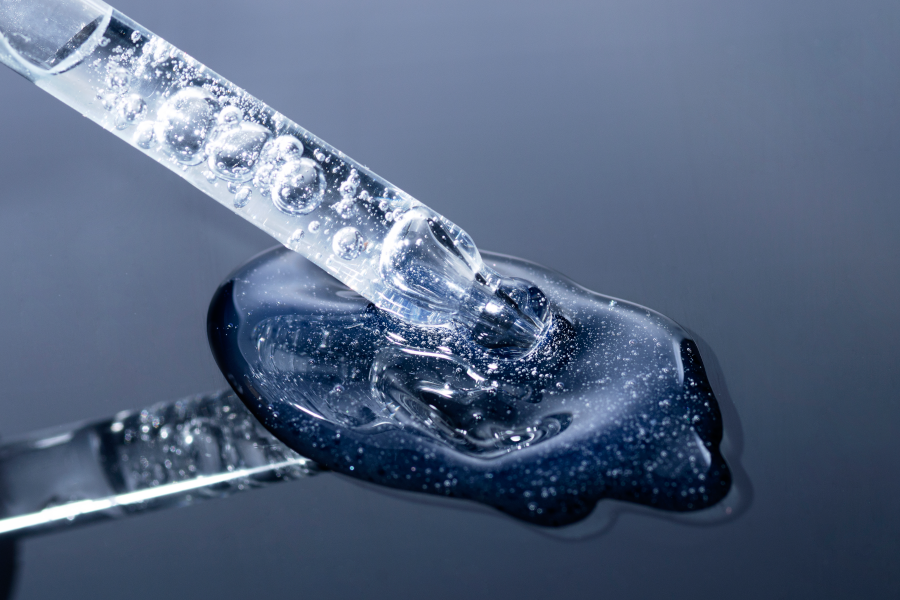
Traditional Peptides are shorter chains of amino acids that target the scalp and nourish the hair follicles that later grow thicker and stronger hair. But it’s not that effective when it comes to reaching the microscopic layers. So salons use a patented bioactive peptide sequence that manages to penetrate the damaged keratin layers and reconnect them.
Think of it like filling the gap left by the rapid evaporation of moisture, or lifted hair shards. Hair spas usually call it K18 Professional Service. The actual name may differ, so make sure to consult your stylist accordingly.
It happens in two steps:
- The formula is applied as a professional mist before any wash or service.
- Followed by a hair mask that’s left on hair for 4 minutes.
Best for: Snapping, chemically processed, or brittle hair.
Disulfide Bond Building
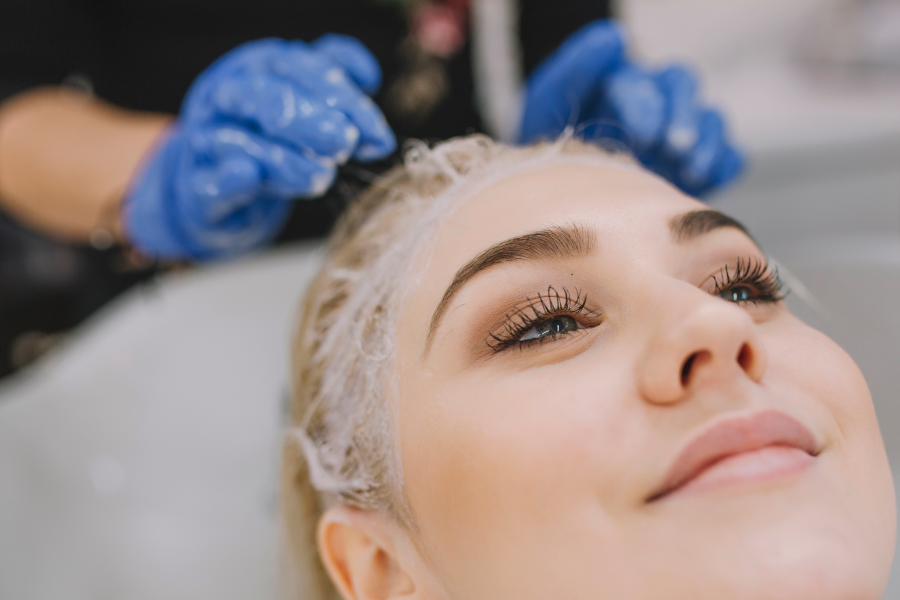
This treatment uses a specialised formula; when used, it targets the free thiol (-SH) groups in the inner cortex and then cross-links them, eventually completing the artificial disulfide bridges.
After the treatment is complete, the hair feels noticeably elastic and regains its strength artificially. Salons usually call it the Olaplex treatment, and they use two formulas in combination to achieve the best result:
- No.1 is mixed with water and applied under strict, controlled timing.
- No. 2 follows soon after to rebuild the structural integrity.
Best for: Heat-damaged, stretched, or weakened hair.
The StyleSpeak Take
Each treatment addresses the damage in its own way. But none can chemically reverse what’s already done. Cutting is still the only way to get rid of it. Treatments do help. But they are just treatments, and not a surefire solution. So make sure to take good care of your hair, and spread the knowledge to clients who cause the same damage without knowing it.