
Understanding hair fibre behaviour, scalp health, and targeted treatments through a professional lens
Words | Rohini Wahul
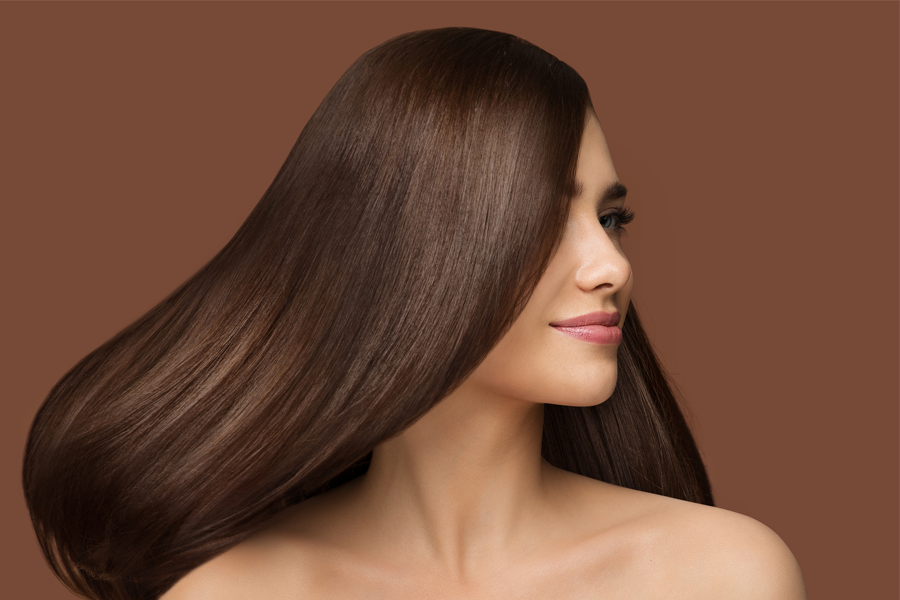
Dehydrated hair has emerged as one of the most frequently observed conditions in salon consultations today. While often mistaken for dryness, it presents a different set of challenges–both in diagnosis and treatment. Clients report dullness, lack of movement, reduced styling longevity, and inconsistent texture, indicating a deeper imbalance within the hair fibre.
According to Heena Dalvi, General Manager – Education, Streax Professional, the distinction between dry and dehydrated hair is fundamental.
Dry Hair vs Dehydrated Hair
- Dry hair results from a lack of natural oils, leading to a coarse and frizzy texture.
- Dehydrated hair, however, is characterised by a lack of water within the fibre.

“This difference directly influences treatment selection, as oil-based solutions do not effectively address moisture deficiency” says Dalvi.
Consultation is the key
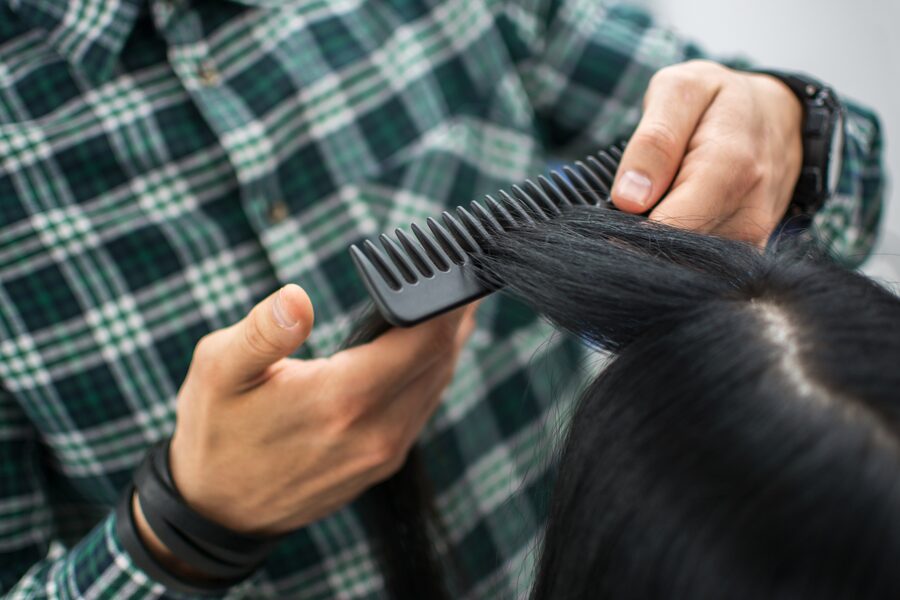
For diagnosing the difference between the two conditions consultation helps understand hair fibre behaviour, which becomes a key indicator.
Dehydrated hair tends to appear flat, lacks elasticity, and loses structure quickly when stretched. It often feels lighter and less resilient. In contrast, dry hair presents with roughness and visible cuticle damage. Dalvi emphasises the importance of assessing elasticity, porosity, and the client’s service history to accurately identify the concern.
Causes of Dehydrated Hair
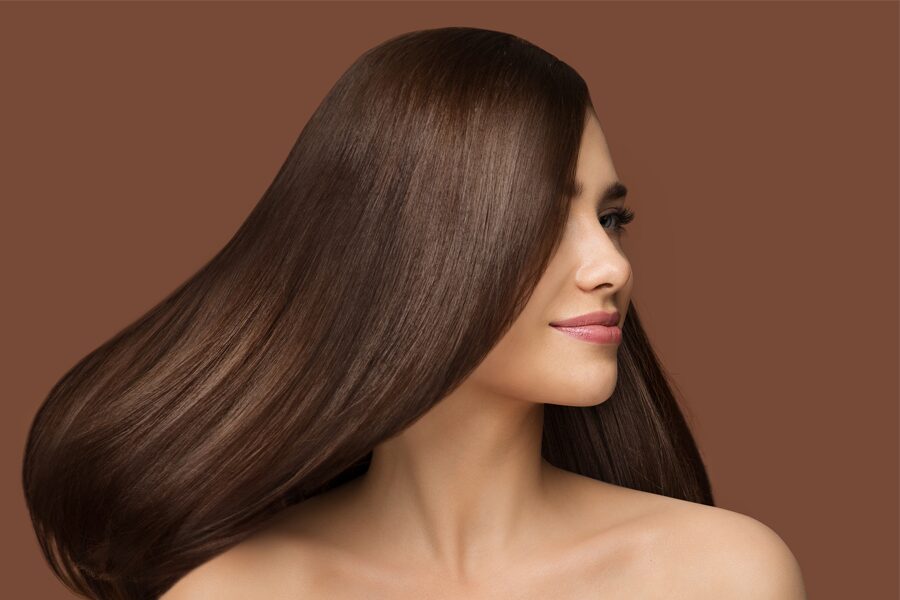
The increase in dehydration is closely linked to both environmental and lifestyle factors. Frequent heat styling, over-cleansing with harsh formulations, pollution, sun exposure, and hard water gradually weaken the cuticle layer. This reduces the hair’s ability to retain moisture. Additionally, internal factors such as stress, poor hydration, and nutritional imbalance are increasingly reflected in the hair fibre, making dehydration a multi-dimensional concern.
Treatments for Dehydrated Hair
Professional treatment approaches have evolved accordingly. Hydration-focused services are now central to restoring balance within the fibre. Ingredients such as hyaluronic acid, ceramides, and botanical oils help attract and retain moisture, while smoothing the cuticle. Dalvi recommends customised in-salon treatments that prioritise moisture replenishment rather than surface conditioning alone.
Technique and Treatment Application
Technique and treatment plays a critical role in improving treatment efficacy.
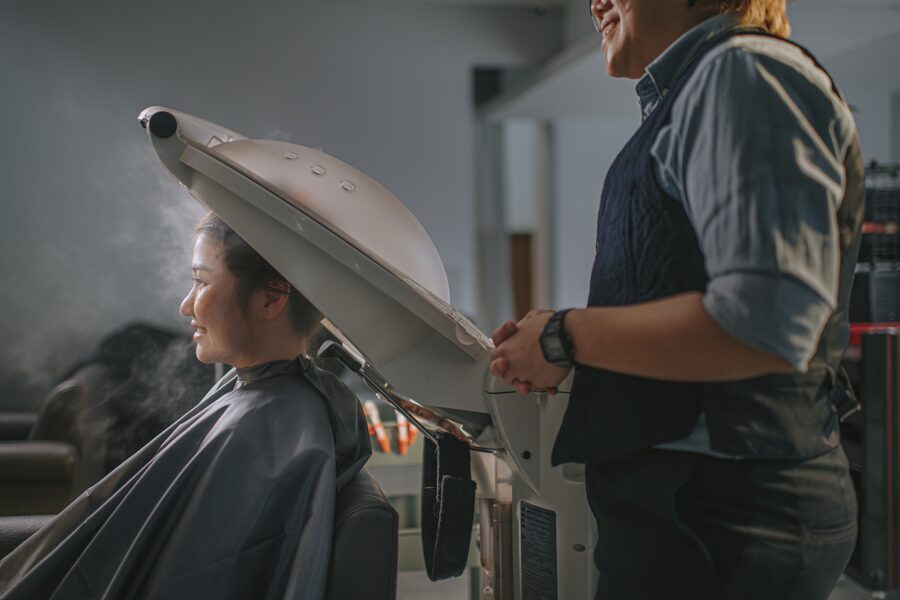
- Steam-assisted services enhance the penetration of active ingredients, allowing deeper hydration.
- Post-colour keratin treatments help stabilise the fibre following chemical services. In cases of high porosity or structural damage,
- Combining hydration with bond-repair technologies delivers more consistent and long-lasting results in cases of high porosity or structural damage.
Scalp Health and Its Role
Scalp health is another important factor in addressing dehydration. A compromised scalp environment can impact the overall quality and behaviour of the hair fibre. Conditions such as dryness, congestion, or inflammation can disrupt moisture balance and affect growth. Dalvi highlights the importance of incorporating scalp analysis and corrective treatments as part of a comprehensive hydration strategy.
Daily Habits and Moisture Loss
Daily styling habits continue to contribute significantly to moisture loss. Frequent use of heat tools without protective products remains one of the primary causes. Additional factors include rough towel drying, aggressive brushing, tight hairstyles that create friction, and prolonged sun exposure. Even minor elements such as fabric friction from pillowcases can gradually weaken the hair fibre over time.
Home Care and Maintenance
To maintain in-salon results, a consistent home-care routine is essential. Dalvi recommends a structured approach that includes a gentle hydrating shampoo, a moisture-rich conditioner, and a weekly deep hydration mask. Leave-in formulations help seal moisture within the fibre, while heat protectants are necessary before any styling. Clients should also be advised to reduce excessive heat usage and maintain overall hydration through lifestyle choices.
Prevention During Chemical Services
With the growing demand for colour and chemical services, preventive care has become equally important. Pre-service assessment of hair strength, porosity, and moisture levels allows professionals to minimise damage during treatments. The use of protective additives and bond-support systems helps maintain fibre integrity. Post-service care should focus on restoring hydration and reinforcing the hair structure through targeted treatments and continued maintenance.
Advancements in Treatment Technology
Advancements in formulation technology are also shaping the way dehydrated hair is treated. Biomimetic ingredients such as ceramides, peptides, and plant-derived proteins help strengthen the hair barrier, while hyaluronic acid remains central to moisture retention. Developments in bond-building systems and scalp microbiome care are further enhancing treatment precision and effectiveness.
Dehydrated hair requires accurate diagnosis, structured treatment protocols, and consistent maintenance. For professionals, this represents a shift towards more informed, moisture-led approaches that prioritise both immediate results and long-term hair health.