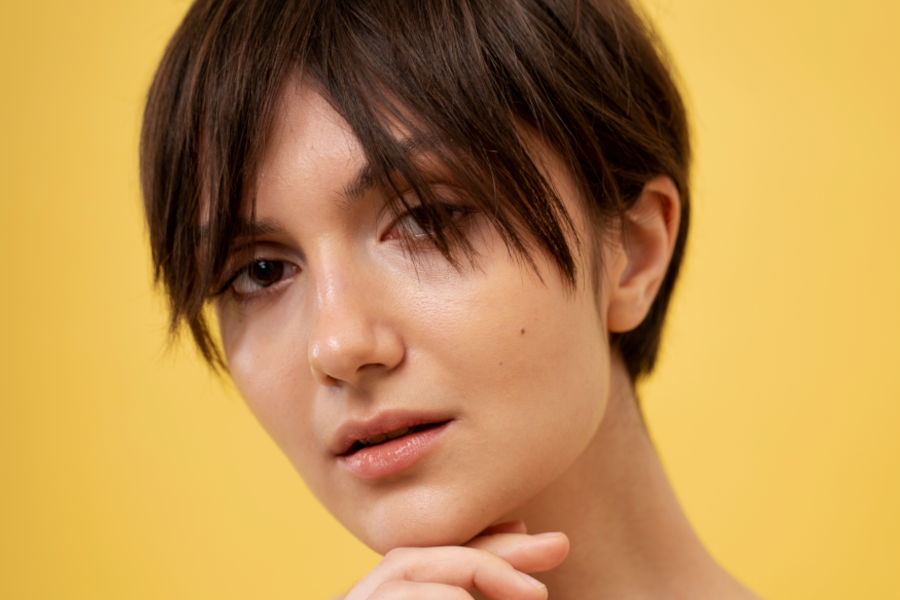

Not a bob, and definitely not a pixie, but something entirely different that is taking over social media. Yes, it’s Bixie. It brings a wave of fresh air into the haircut industry without being too flashy. It’s simple, stylish, requires way less maintenance, and pretty much suits all. So if you are looking for anything along those lines, you are in the right place. StyleSpeak has all the answers you are looking for.
What is Bixie Haircut?
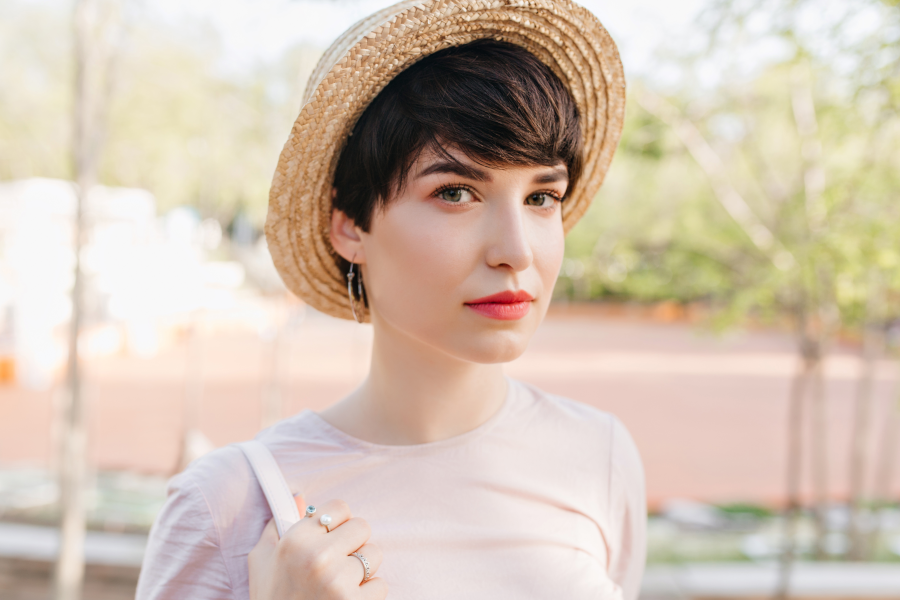
Bixie combines two words: Bob and Pixie. Bob is your typical office girl look with jaw-length hair. It’s uniform, looks sleek, and is one of the least tiring haircuts out there. But it requires regular trimming for that geometric design.
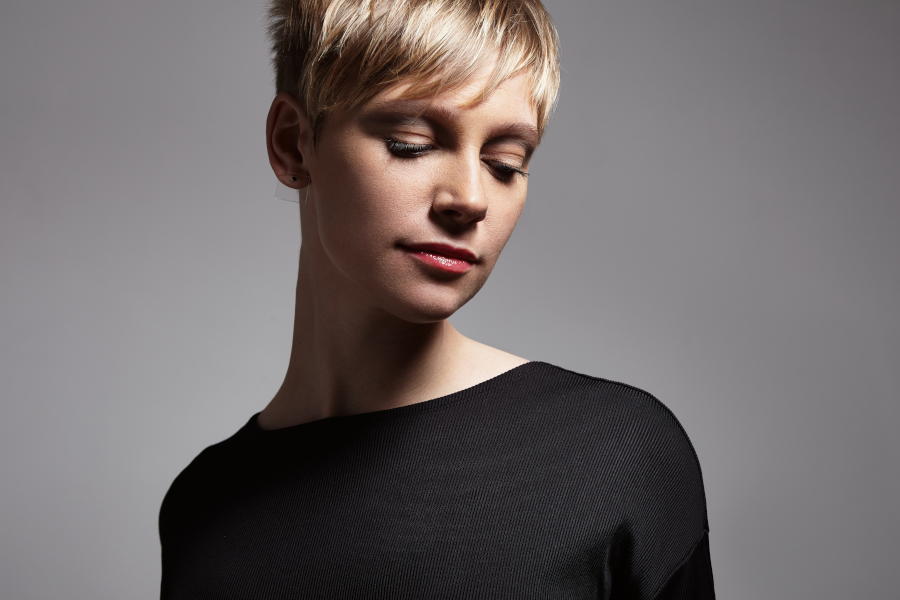
Meanwhile, a pixie is a closely cropped haircut that focuses more on your face than your hair. Usually, girls who want that bold and strong look go for it. But it comes with a big problem, and that’s the maintenance. Since a Pixie haircut is all about making your hair look short, you also have to regularly trim it at your salon.
But Bixie fixes that and combines the pros of both sides. Your crown and interior have layered short hairs, while soft and shaggy ones go towards your ears and fall down to your nape. But don’t take that definition for granted. There are dozens of bixie cuts out there with bangs, shorter crowns, and many other combinations.
So it’s not the definition that matters, but the specification. Bixie is versatile, can be layered and textured in various ways, has an easier grow-out phase, and, probably the best part, it’s revived with a brand new look. So with that, let’s see who this haircut suits.
Who does the Bixie Haircut suit?
Depending on your hair and face type, bixie will have a different look to it. To make it simple, we have divided it into those two categories, with one more for personal choices. But remember, a stylist’s decision takes precedence. Only use these for a baseline understanding.
Face Shape
We will cover five common face types here. Starting with,
- Oval: Any bixie type works with this shape.
- Round: More height towards the crown and longer layers.
- Square or Angular: Soft and textured for that softer structure.
- Heart or Inverted Triangle: Lengths that graze the chin and curtain bangs.
- Long or Oblong: Fuller sides and bangs- that’s what you are looking for.
Hair type and Density
Type and volume matter. After all, it’s a haircut.
- Thin hair: Often requires internal layering for the illusion of fullness.
- Curly hair: Natural cut to release the weight from the ends and for that soft look.
- Thick or coily hair: Needs customized layering to reduce bulkiness and make it look less dominant.
- Straight hair: Looks best with a razor end and a little bit of texturing to not make it look like a bowl cut.
Lifestyle Decisions
Sometimes it’s all about those random urges that decide which haircut you want next. For example,
- Bored of Bob: If you have had enough of Bob and want to move on, Bixie is a great place to start.
- Hesitant about Pixie: If you aren’t comfortable with extremely short hair or can’t maintain a regular haircut routine, Bixie works for you because it stands right in the middle of Bob and Pixie.
- Trendy but low maintenance: It’s probably best for those who want a quick but stylish haircut with very little maintenance. Bixie ticks all those boxes.
How to ask for a Bixie Cut?

Once you are sure that Bixie is the one you want. Get ready for a haircut session at your favorite salon. Since this is a new trend, the asking part will be a bit different.
Start with Questions
You can begin your hair cutting session with one main and two optional questionnaires like these:
1. I want a bixie cut. Can you please suggest the right one based on my face and hair type?
If your artist knows what a bixie cut is, he will quickly inspect your face and hair before suggesting which style you should go for.
2. Why is the one you suggested the right one for me?
All salon professionals love talking about hair. And this is a perfect time to see how well they understood your input and if they know what they are talking about. This is not a test. But to see if their suggestion matches what you were aiming for.
3. What is the process of a bixie cut?
This is more of an educational lesson for you. Usually, you can’t simply rely on articles for everything. Experts know things we don’t, and this is the perfect time to clear any doubts, like the frequency of cuts or how to wash your hair. You can always carry this information forward.
Show reference image
You can never go wrong with simply showing what you want. By this point, your salon artist already knows what you are looking for. And these reference images only confirm that. In most cases, your artist himself asks for reference images right when you ask the first questions. So this part is inevitable.
Daily Maintenance
After your cut, make sure to ask what kind of maintenance this haircut needs. Since bixie haircuts vary based on multiple factors, there is no universal maintenance routine for it. Once this part is over, you are clear. Now enjoy your new haircut and start flexing it on Instagram or TikTok as usual.
Conclusion
This new wave will last for a while. So don’t think much, get your new Bixie cut now, and by the time your next appointment comes up, we might already have a new haircut in town. And that concludes this article of ours. We hope StyleSpeak helps you in deciding why bixie is the right one for you and how to ask for it from your stylist. Make sure to subscribe to our magazine for more salon-specific stories like this.
Frequently Asked Questions
Why is the Bixie haircut so popular?
Ans. Mostly due to Zendaya, who reignited the trend from the 90s earlier this year.
What is the bixie haircut trim frequency?
Ans. Somewhere between 6 to 8 weeks.
Can you combine bixie and ponytail together?
Ans. Generally no. Backside hair is too short for a full ponytail. But if you can go for a half-up or mini-clip style, you can technically do it.