
Timely care and treatment can help control and eliminate men’s acne
Words: Relin Hedly
It is quite common for men to experience acne. It is a dominant skin issue for them, and is categorized into different grades depending on the intensity of the condition based on different parameters, such as the depth to which the inflammation has penetrated the skin.
Types of Acne
- Grade 1 acne: Also referred to as mild acne, is the most common form of acne and involves blackheads and whiteheads around the T zone (forehead, chin and nose) with no significant evidence of pimples or appearance of redness.
- Grade 2 acne: The appearance of pustules (pimples containing pus) and papules (small raised bumps) along with swelling and mild redness, is evident on the upper back, face and shoulders.
- Grade 3 acne: Is moderately severe acne
- Grade 4 acne: Is severe acne
Understanding Acne
Acne affects everyone due to clogged pores, characterized by oily skin and spots, but there are certain common misconceptions around acne. According to Sahil Jadhav, Hair and Wellness Coach, Truefitt & Hill, “A common misconception is that acne is only a teenage concern. In reality, adult men experience acne due to stress, shaving habits, hormones, and product misuse. Another myth is that harsh products clear acne. In fact, over-cleansing often worsens it by disrupting the skin’s natural barrier.”
Different types of acne demand a personalized treatment strategy – based on the type of acne, age and severity. Timely prevention and treatment ensure it does not escalate into a serious concern, and make a significant difference in the appearance and health of the skin.

Acne Management in Men
The following ideal daily skincare regimen, coupled with consistency and barrier-friendly care, is key to men with grade 1–2 acne:
- Begin with a gentle, sulphate-free cleanser twice daily: Controls excess sebum without stripping the skin.
- Use a lightweight, non-comedogenic moisturiser: Hydration helps regulate oil production and reduces inflammation.
- Incorporate salicylic acid (0.5–2%) 2–3 times a week: Keeps pores clear.
- Always apply a broad-spectrum SPF: Sun exposure can worsen post-acne marks.
- Avoid harsh scrubs and over-cleansing: Acne improves when the skin is treated calmly, not aggressively.
Professional Treatments for Grade 1 and 2 Acne
From medical therapies to oral and topical medications, there are several ways to treat men’s acne-prone skin. “For grade 1–2 acne, professional interventions can accelerate results when paired with a solid daily routine. All treatments should be tailored to your skin type and conducted by qualified clinicians to maximise benefit and minimise irritation, adds Jadhav.
Specialists often recommend superficial chemical peels (like salicylic or glycolic acid) to exfoliate dead skin and reduce congestion, improving both comedones and inflammation.
- Light-based therapies (blue or combined blue/red LED) help suppress Cutibacterium acnes and calm inflammation with minimal downtime.
- Gentle comedone extraction by a professional can clear stubborn blackheads and whiteheads safely.
Prevention and Care
It is extremely difficult to prevent acne during a hormonal imbalance. However, there are various simple, everyday habits to help manage acne in the long term:
- Men should cleanse their faces gently twice a day, especially after sweating.
- Avoid touching or picking pimples.
- Use oil-free skincare and hair products, as greasy products can block pores.
- Eat balanced meals, drink enough water, sleep well, and manage stress.
- Stick to a routine rather than trying new products often.
- Regular skin check-ins with a professional to control acne.
If acne persists beyond 6–8 weeks, worsens, becomes painful, or leaves marks and scars despite regular care, men should consult a skincare professional or dermatologist.
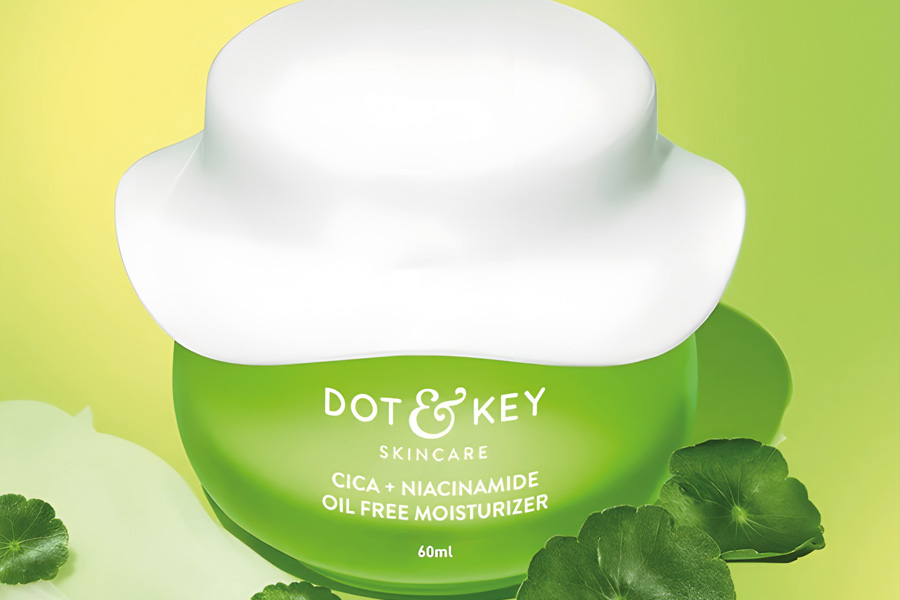
Factors to Choose the Right Product
It’s important to choose products suited to your skin type, not just acne concerns. Sahil Jadhav reveals, “Simple, consistent care works better than strong, aggressive treatments—something we always emphasise at Truefitt & Hill. Proven actives like salicylic acid, benzoyl peroxide, adapalene/retinoids, azelaic acid, and niacinamide unclog pores, reduce oil and calm inflammation in mild-to-moderate acne. Avoid products with harsh alcohols or heavy fragrances, as they can irritate the skin and worsen acne.”
Professional Products
- Dot & Key Super Cica & Salicylic Anti‑Acne Routine
- Derma Co Sali‑Cinamide Anti‑Acne Face Wash
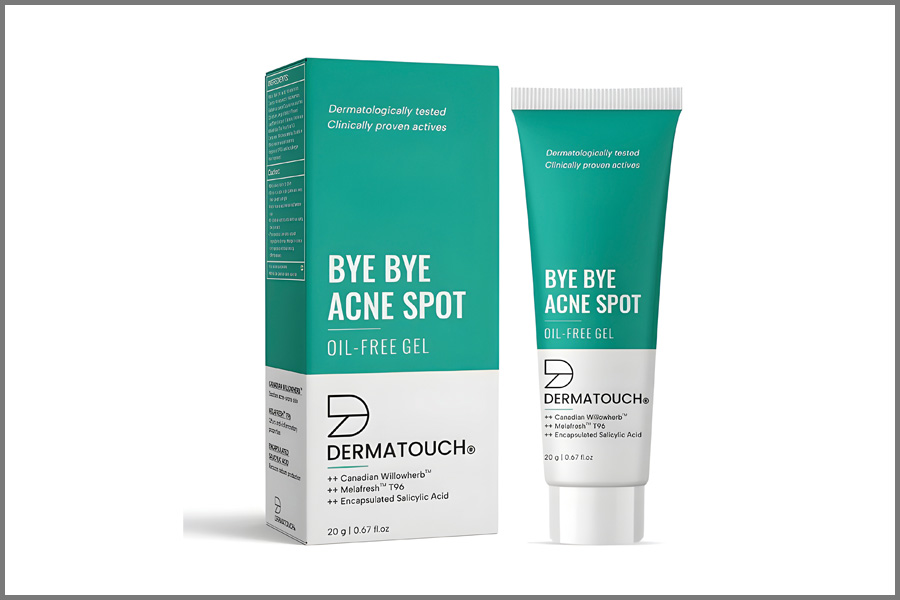
- Indya Dermatouch Salicylic Acid Gel
Acne is a temporary issue, but it can be really devastating at times. Customized professional treatment ensures it is controlled and eliminated with care.