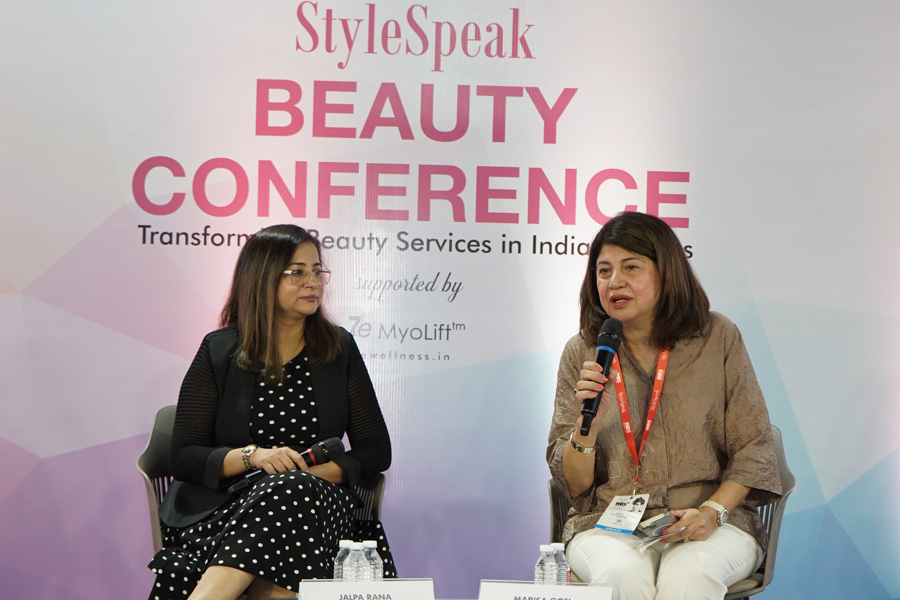

Marisa Goel and Jalpa Rana clear the longstanding confusion surrounding acne and rosacea with accurate facts and solutions for both skin conditions
Words: Relin Hedly
Everyone aspires to have perfect and flawless skin. However, what is not well known today is that among the male skin ailments that mar otherwise good skin are acne and rosacea.
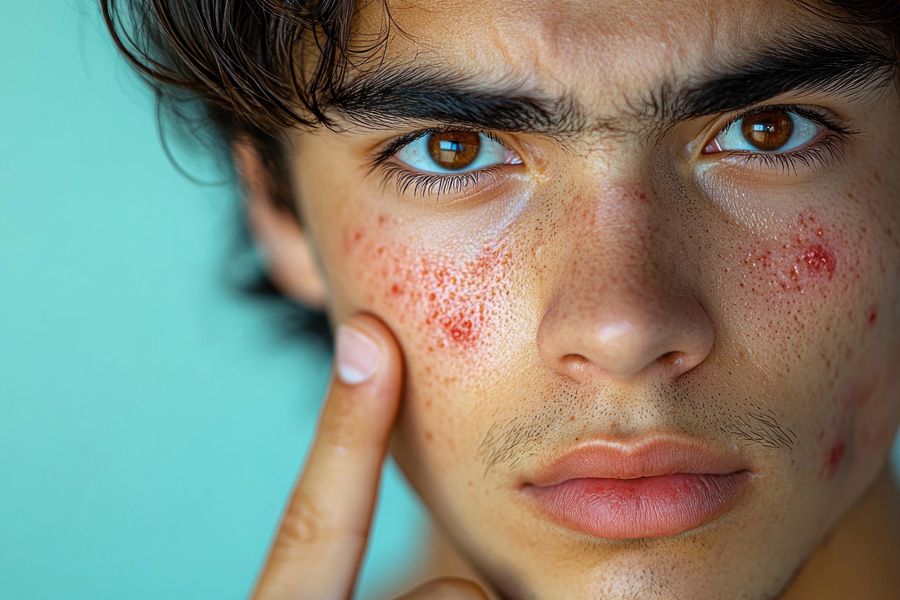
Acne and Rosacea are inflammatory skin conditions that are often confused due to their physical appearance. Red spots on the neck and face, as well as painful red lumps and swelling, could often be misdiagnosed as acne. The reason for this misdiagnosis is the similarity of symptoms, such as pustules, bumps, and redness.
So, how do you tell them apart? The difference between the two was discussed in detail in a talk on “Understanding acne and rosacea” at the StyleSpeak Beauty Conference 2025, featuring Marisa Goel, Founder of Serena’s Salon and CEO of The Skin Inn, and Jalpa Rana, Manager Category Growth, Lodha Group.
Understanding Acne
According to Jalpa Rana, Acne is a skin disorder of the sebaceous gland, related to oily and combination skin. The more your oil glands are active, the more chances there are of clogged skin, i.e, clogging of dead cells and oil, leading to acne.
It starts with blackheads, whiteheads, and skin clogging if the skin is not kept clear. In oily skin, unshed dead skin cells cling to the pores and clog them. Furthermore, the dandruff and dust on the scalp can also clog the skin of the forehead.
Marisa Goel emphasized that the food you eat is also important because its impact shows on the skin. Very oily, spicy, and deep-fried food can cause Hormonal changes, an overactive oily gland, and Stress.
Grades of Acne
There are different grades of acne. Grades 1 and 2 are the easiest cases to solve.
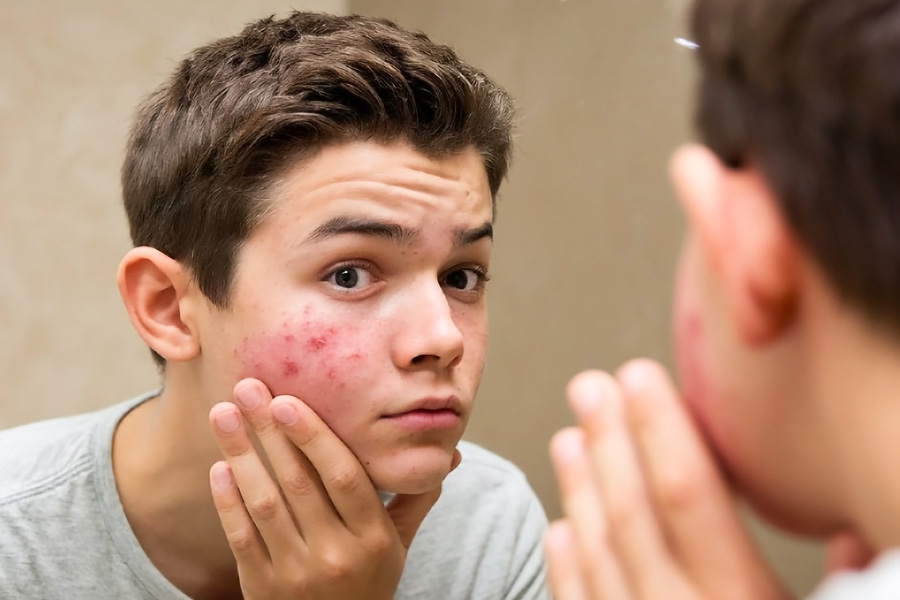
Grade 1: More of blackheads, whiteheads,d,s, and very few pimples papulesles are visible
Grade 2: The size of the papules increases to 2 mm
Grade 3: The infection increases by more than 1, or with visible inflammation and redness
Grade 4: Cystic acne or nodular acne is not visible but exists in the form of a cyst, is more painful, and the inflammation is very high
Treatment
The most important thing is CTM. Cleansing, toning,d moisturizing, and most importantly, sunscreen for everyone.
Identify the triggers. With this knowledge, the right product can be chosen. With an array of products and ingredients available, products with active ingredients for acne-prone skin, like tea tree oil, Salicylic acid, Sulphur Resorcinol, AHA, and BHA, are recommended.
There is a lot of trial and error to be done until you identify the right product for your skin type. When you choose the product recommended by someone else, and it doesn’t work, stop using it.
Marisa Goel: For Grade 1, physical removal of the blackheads and whiteheads from the face and a basic cleanup is vital. After the cleanup, the open pores in the skin become targets for pollutants in the air. So keepyoure face clean at all times. For teenagers entering adolescents restrict to cleanup, use pimples patches, es and follow home care recommended by salons
Don’ts
- Don’t pick your acne.
- Don’t try to extract them at home, thinking the pus will come out and easily heal. Take professional help
- Avoid vigorous massage
- Don’t massage on acne skin
For Grade 4, acne should not be treated at a salon, but referred to dermatologists.
Understanding Rosacea
Jalpa Rana: Always confused for acne, rosacea, and acne are completely different. Easily identifiable on fair skin, in rosacea, there are no blackheads or whiteheads around the skin, just general redness and inflammation. If inflammation is high,h you might develop papules and pustules, but they are not related to acne.
Sometimes your acne skin might develop inflammation and cause rosacea at a later stage. That’s when we call it acne rosacea. Rosacea by itself is not connected to acne. If rosacea is not treated, it will become acute acne.
In Indian dark skin tones and men, rosacea looks like pigmentation with visibly thicker skin on the forehead. Initial redness inthe skin goes unnoticed, so it is very important to take care of it.
Causes of Rosacea
- Sun exposure
- Genetic predisposition
- Increased blood flow to the skin makes it more prone to pigmentation, acne, and rosacea. a
- Overgrowth of Demodex mites that feed on the oil of the skin can also cause rosacea .ea.
- Flare-ups and tingling sensation is more common in other people.
Preventive measures
-
- Use tea tree oil or something that has antimicrobial properties to reduce the redness on the face and mite.s
- Change the pillow covers and towels regularly
- Use a tissue instead of a towel on the skin
- Dab and don’t rub your skin
- Never do microdermabrasion on rosacea skin
Emotional balance reflects on the face and is important. In case of multiple symptoms, proper consultation and diagnosis are important to understand if it is sensitive skin orif it is more like rosacea.
Rosacea in men
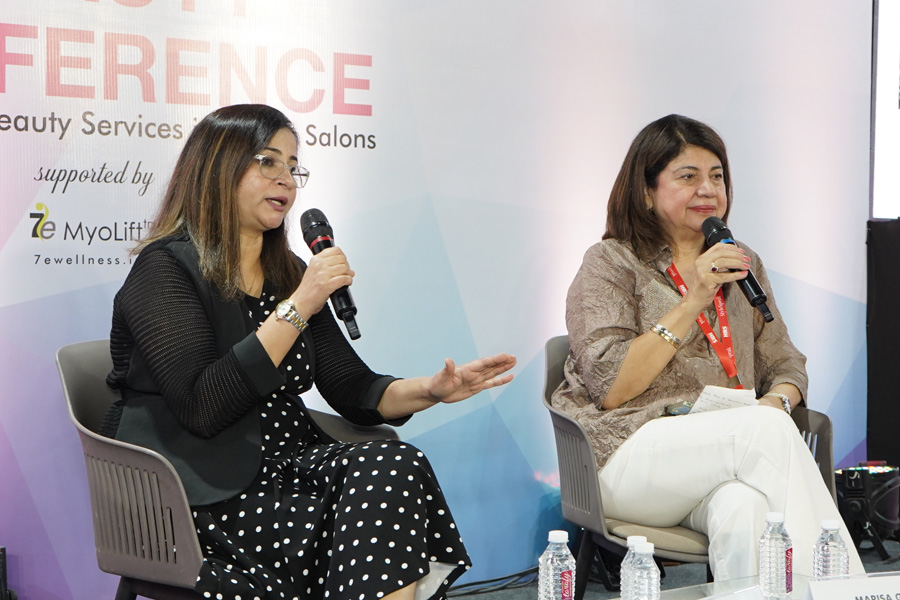
Marisa Goel reiterates that it is mostly with fair-skinned people in the age group of 30 to 60 who have a predisposition for rosacea. But of late, it is also visible in wheatish and dark complexions. They have a lot of rosacea, are unaware, and don’t treat it. It isvery severe inmen, mainly because theydon’t do anything about it.
Jalpa Rana: In men with rosacea, the skin barrier is completely disrupted due to the use of the wrong products. The skin becomes fat and leathery around the eyes, nose, and chin if rosacea occurs in men at a later stage. The technical name for this is rhinophyma.
Types of rosacea
- Inflammatory rosacea: Overactive immune system causes flare-ups. Skin and the T zone, like the chin, nose, inner cheeks, anda little bit of the forehead, will appear red and hot.
- Ocular rosacea: Redness starts appearing on the eyes. These cases should not be treated in the salon. Refer them to their dermatologist. Salicylic peels are advised, but there area lot of peels with Salicylic acid in them that are not advised to be used in salons.
- Vascular rosacea or spider veins: Identify the triggers like hot beverages, UV rays, spicy food, emotional stress levels, blue light, telephones, and computers -all affect the general skin health.
Treatments
Marisa Goel recommends
- IPL: It soothes the skin, i non-invasive, so clients feel very nice about it and come out looking calmer.
- Salicylic peels: Calms the skin.
- Carbon facials are also good, as the cue switch breaks the pigmentation and calms the skin. Carbon relaxes the face. More than that cue switch also works with a laser.
Rosacea affects more than 400 million people worldwide. But it is still a disease that is underdiagnosed, and nobody knows much about it. In India, unfortunately, only precautions are taken instead of giving solutions for rosacea so far.