
From AI-powered shade matching and smart mirrors to multitasking brushes and portable magnetic palettes, StyleSpeak decodes the tools changing the professional makeup kit in 2026.
Words I Shweta Dravid
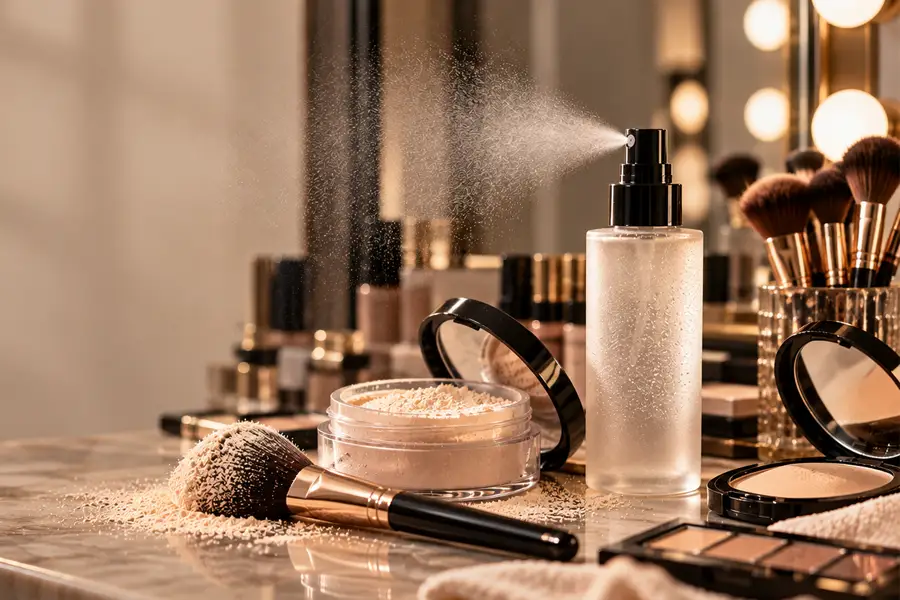
The professional makeup kit is getting a serious upgrade in 2026, with technology moving closer to the makeup chair and everyday tools redesigned to make application faster, cleaner, and more precise.
AI can now analyse skin and help find a foundation match, smart mirrors can offer virtual makeup guidance, and portable systems are making it easier to work on location without turning a kit into a suitcase. Even familiar staples such as eyeshadow sticks and foundation brushes are getting smarter makeovers.
For salon professionals and makeup artists, the appeal is practical: less guesswork, less kit clutter and greater control over the finish. StyleSpeak gets inside the professional kit to explore what’s new, what’s clever and what could change the way MUAs work.
Cloud Skin Sponges

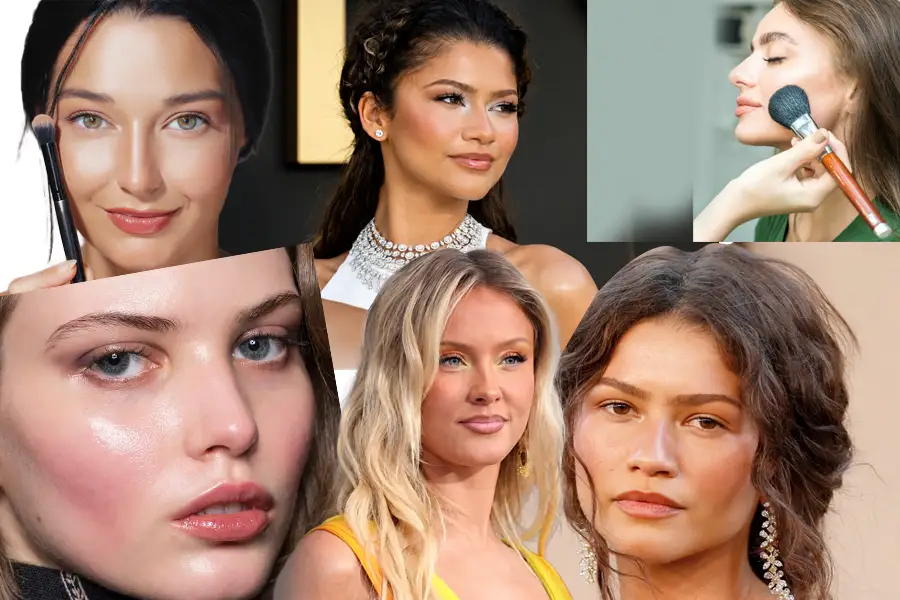
Cloud skin has moved the complexion conversation away from both extreme matte and wet-look glow towards soft, diffused skin. In 2026, the tools used to create it are following suit. Velvet-textured and precision-shaped sponges are designed to press, blur and build lightweight layers rather than simply pile on coverage. The result is a softer, more filtered-looking finish that still allows skin to look like skin.
For salon professionals, this is useful when clients want a polished base without the heaviness of traditional full coverage. A sponge that can distribute thin layers and soften edges also makes it easier to customize coverage around areas such as the nose, under-eyes and cheeks.
Clarins AI Shade Finder
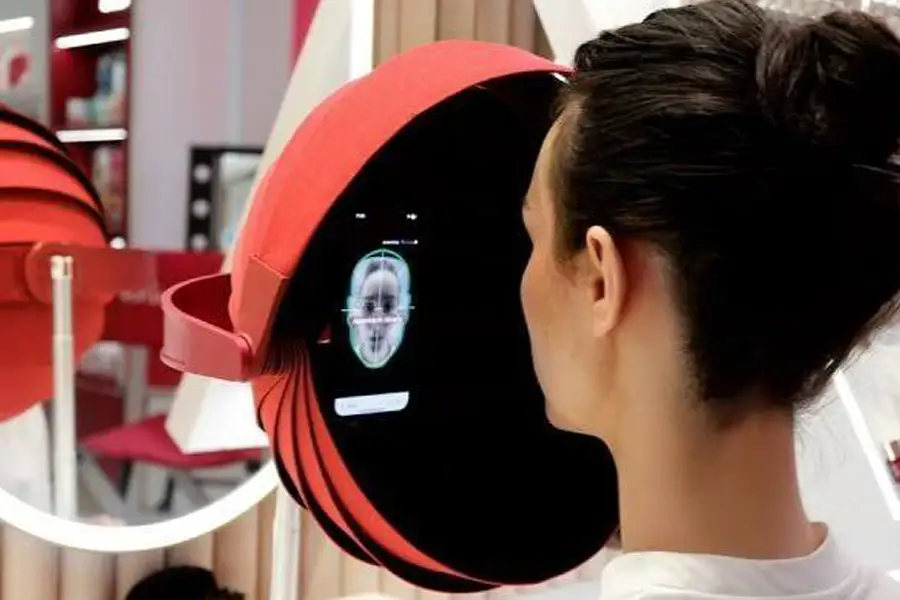
Shade matching has entered the spectroscopy era. Clarins’ AI Shade Finder uses a smartphone to analyse how light interacts with the skin, rather than relying on a single photograph. It reads skin tone, undertone and colour characteristics in under a minute, with Clarins reporting a 96% match rate against an experienced makeup artist.
That has obvious value at a counter or salon. Instead of guessing between two foundation shades under questionable lighting, an artist gets a data-led starting point. It can also make consultations more efficient, particularly when working with clients who find undertone matching difficult.
Metallic Eyeshadow Sticks
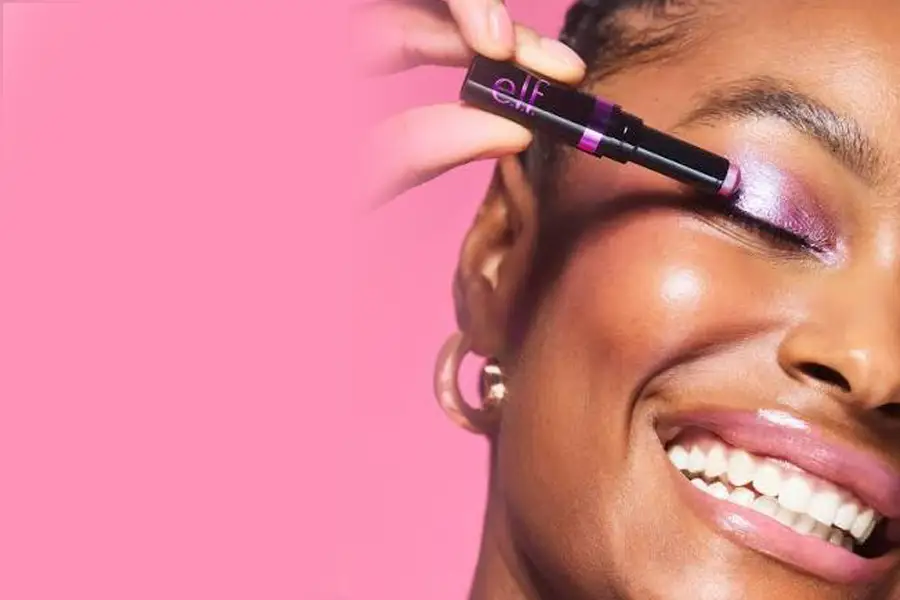
The metallic eye is back, but the professional shortcut is a stick rather than another sprawling palette. New-generation formulas are creamy, buildable and designed to glide across the lid before being blended with a finger or brush. Brands such as Kay Beauty and e.l.f. offer metallic sticks that combine high pigment with blendability and long wear.
For MUAs, the advantage is speed. One stick can create a wash of colour, a stronger metallic centre or a precise liner-like accent without opening several pans. They are particularly handy for bridal touch-ups, shoots and clients moving from day to evening.
Smart Mirrors Get Smarter
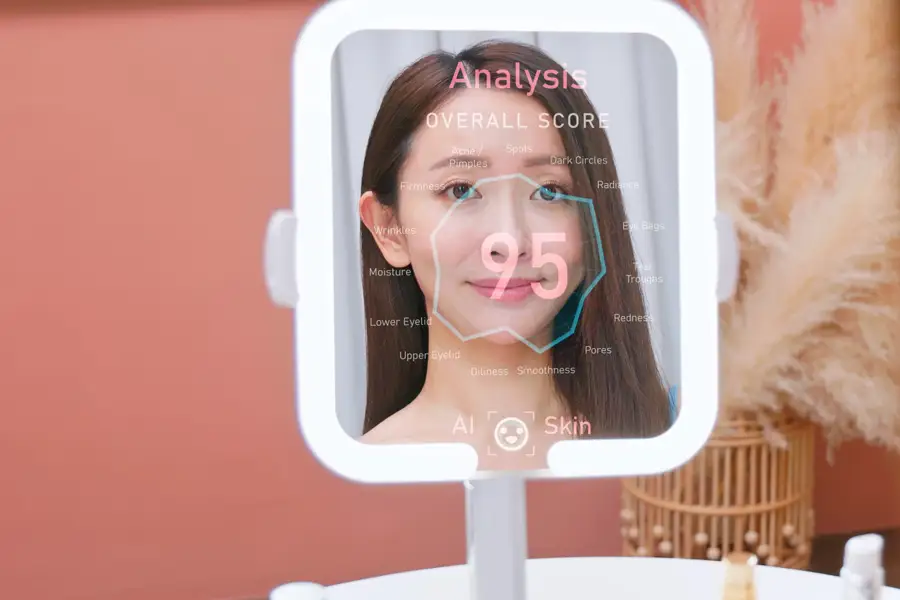
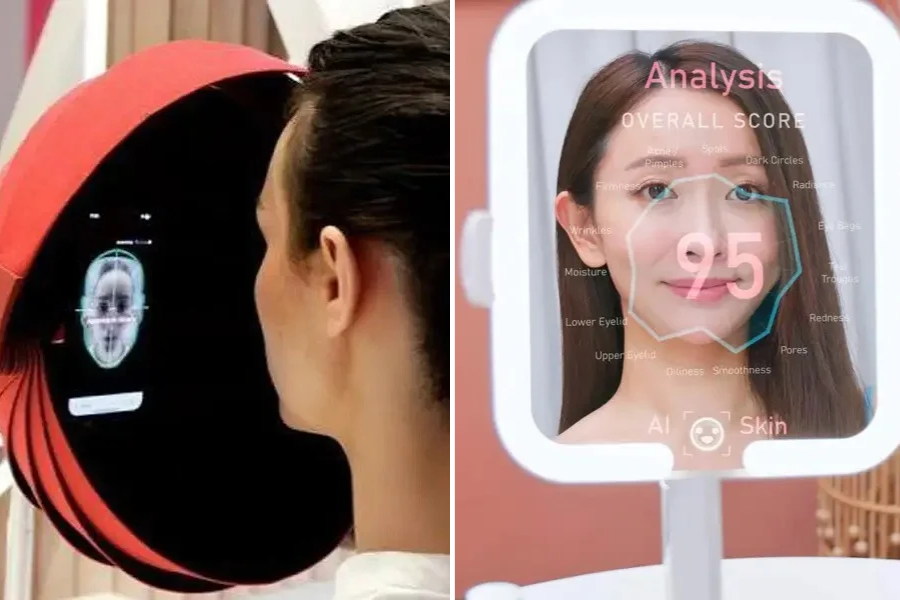
The beauty mirror is no longer just about getting the lighting right. SWAN Beauty’s Smart Mirror combines a 4K camera, professional-grade lighting and a 15.6-inch OLED touchscreen with AI skin analysis and AR makeup guidance, including virtual demonstrations developed with artists such as Carolina Gonzalez, Allan Avendaño and Fiona Stiles. Meanwhile, Samsung and Amorepacific’s AI Beauty Mirror, unveiled at CES 2026, uses three cameras to assess factors such as pore size, redness, melanin and wrinkles before suggesting personalised skincare solutions.
For salon professionals, the appeal lies in combining diagnosis with visualisation. One can help assess the skin before makeup, while the other can preview makeup placement and looks. Together, these technologies point to a more data-led consultation, while still leaving the actual creative decisions to the MUA.
MYKITCO MYNETICS On Hand Kit
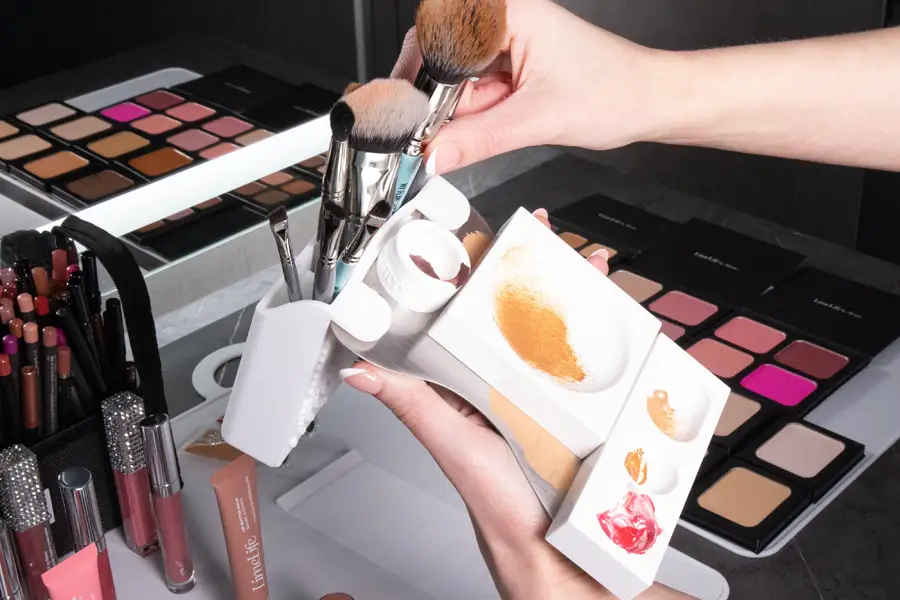
For an MUA working out of a salon one day and at a wedding venue the next, organisation is half the battle. MYKITCO’s MYNETICS On Hand Kit is a magnetic, hand-held palette designed to keep pots and essential tools secure while the artist works. Its stainless-steel base, brush holder and dock are designed around mobile working.
The practical benefit is simple: fewer loose products on the workstation and less juggling between brushes, creams and mixing pots.
Kolmar Korea Scar Beauty Device

At CES 2026, Kolmar Korea unveiled a beauty device that brings AI-powered skin analysis and customised camouflage into one system. Its AI-powered Scar Beauty Device analyses a scar through a smartphone image, categorises the type of skin deformation and delivers treatment before spraying a customised cover powder which combines more than 180 make-up shades to create a closer skin-tone match.
For professional MUA’s, the significance is the convergence of treatment and camouflage. It points towards a future in which corrective makeup could become more personalised, particularly for clients looking to conceal visible scars or pigmentation without relying solely on manual colour mixing.
Brushes, Reworked
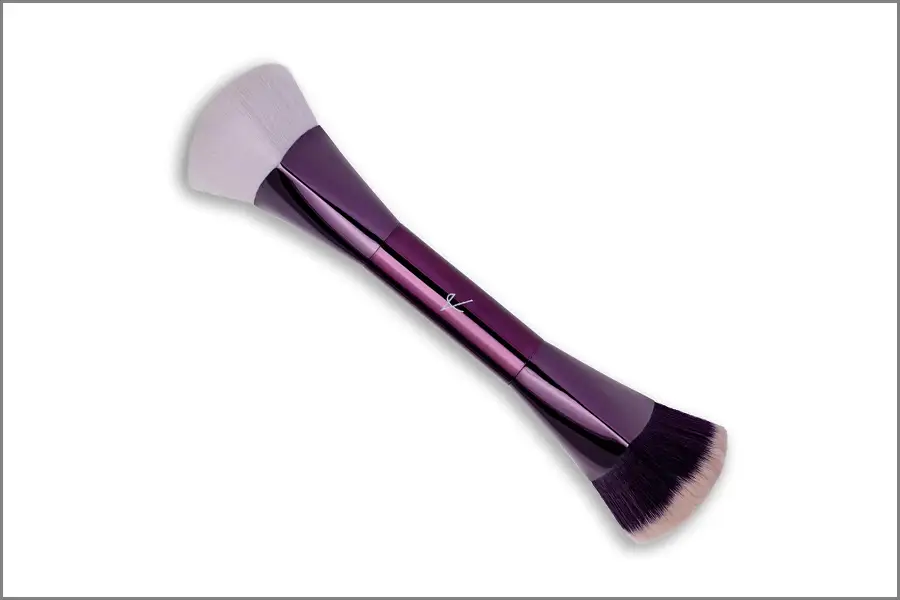
The professional makeup brush is getting a rethink, with new designs focused on doing more, taking up less space and giving artists greater control. Anisa Beauty’s Dual-Ended Pinnacle Brush combines skincare prep and complexion application in one tool, allowing MUAs to move from moisturiser or primer to foundation without reaching for another brush. PAC’s 4-in-1 Magnetic Makeup Brush takes the space-saving idea further, combining multiple brush heads in one compact system—particularly useful for bridal and mobile artists who need to carry a lot without carrying everything.
Then there is the question of hygiene. Morphe’s silver-ion-infused brushes incorporate silver ions into the bristles, with the brand stating that independent testing showed a 99.9% reduction in harmful bacteria. This does not replace proper brush cleaning, but adds another hygiene-focused feature to the professional kit.
At the other end of the spectrum, Rephr’s Spatula Foundation Brush is all about precision. Its flat, narrow shape is designed to spread foundation in a very thin layer before blending, making it useful when the goal is sheer, skin-like coverage rather than a heavily built-up base.
Together, these tools show how the use and functionality of makeup is evolving—from the basic applicator, into a more considered piece of professional kit.