


Hair loss no longer affects only older adults. More young Indians now look for help in their twenties. As a result, hair restoration has moved from a niche service to a fast-growing industry.
This guide explains what is driving that growth. You will learn which treatments are rising, who is buying them and what risks to watch. You will also see how salons and clinics can prepare responsibly.
Hair Restoration in India: A Market Snapshot
First, look at the big picture. One market research report estimates that India’s hair transplant market could grow from about USD 308 million in 2025 to about USD 1.7 billion by 2034. That implies growth of roughly 21% a year.
Treat forecasts like this with care. Different reports give different numbers. Still, they agree on the direction: demand is rising, and it is spreading beyond the big metros into Tier-2 cities.
What Is Driving Demand for Hair Restoration
Next, consider why demand is rising. Several forces work together.
- Younger hair loss. Reports suggest many men seeking treatment are under 25. Stress, diet, genetics and pollution all play a part.
- Higher grooming spend. More people have disposable income for aesthetic care.
- Less stigma. Open talk about treatment, including from public figures, makes it feel normal.
- Social media. Before-and-after posts build awareness, especially among younger people.
- Medical tourism. India offers lower procedure costs than many Western and Middle Eastern countries. E-medical visas also help international patients.
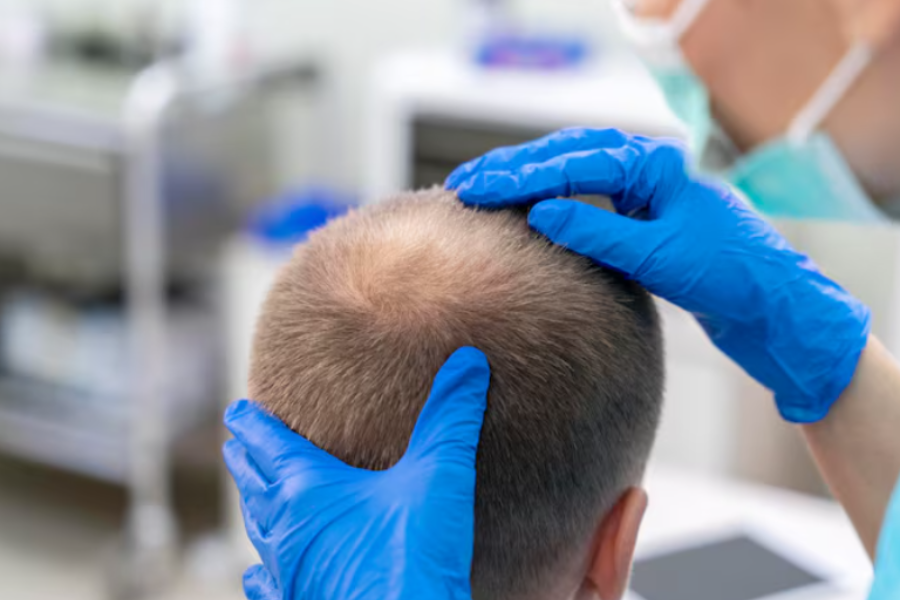
Treatments Entering the Indian Market
Now, look at what hair restoration clinics actually offer. Treatments fall into two groups.
Surgical Hair Transplants
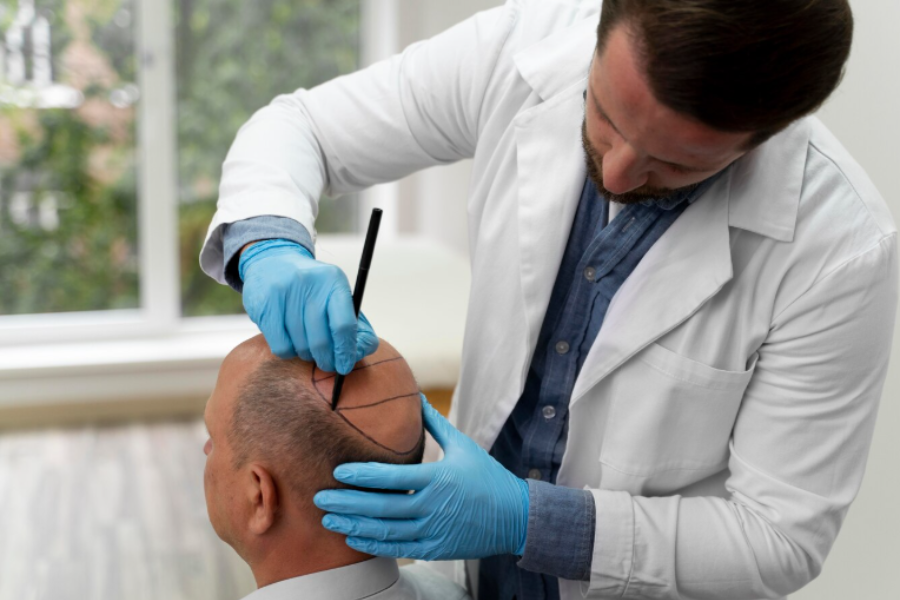
Surgical procedures are reported to hold the larger share of the market. Follicular Unit Extraction (FUE) is the most popular method. It leaves smaller marks and allows faster recovery than older techniques.
Newer tools are also arriving. These include direct implantation methods, robotic-assisted systems, AI-based consultation tools and virtual previews of results. Results still depend heavily on the doctor’s skill.
Non-Surgical and Regenerative Options
Regenerative treatments are growing alongside surgery. They include:
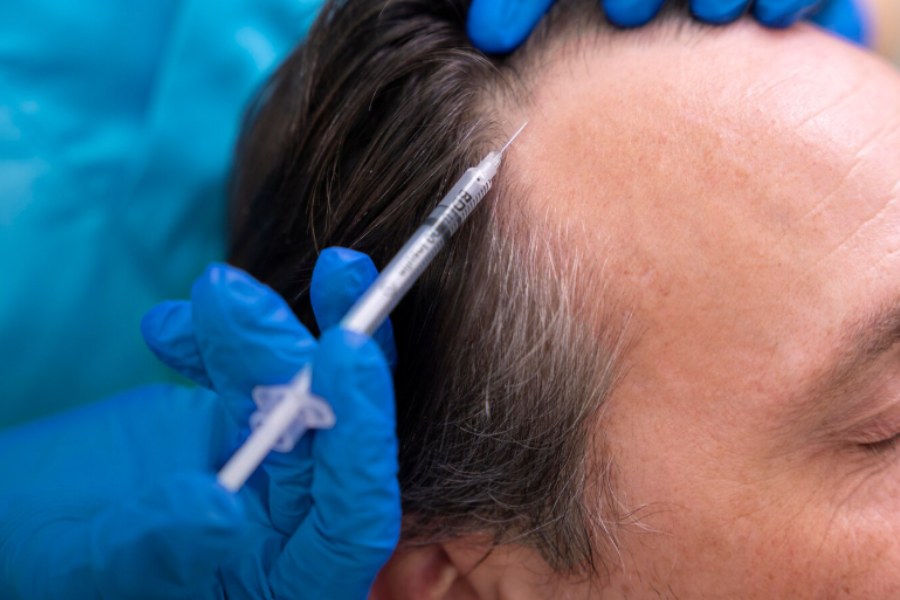
- PRP (platelet-rich plasma): Uses a patient’s own blood plasma to support the scalp
- GFC and similar growth-factor therapies: Related concentrate-based treatments
- Nutraceutical support: Supplements used alongside medical care
- Combination plans: Surgery plus maintenance treatments to protect results
Interest is clear in search data. Ahrefs shows about 13,000 monthly searches in India for “prp hair treatment.” That signals strong public curiosity.
Who Is Buying Hair Restoration?
First, men form most of the market. Androgenetic alopecia, a common form of pattern hair loss, is a major reason. However, reports describe female demand as the fastest-growing segment.
Next, most procedures happen in hospitals and specialised clinics. Patients trust their infrastructure and medical teams. Northern, western and southern metros lead, with Delhi, Mumbai, Bengaluru and Hyderabad often named as hubs.
Challenges and Safety Concerns
Growth in hair restoration also brings risk. Owners and patients should keep four issues in mind.
- Cost. Procedures are expensive, and elective care is rarely covered by insurance.
- Uneven access. Certified surgeons cluster in big cities, so smaller towns have fewer options.
- Uncertified operators. Procedures done by untrained technicians can cause complications.
- Quality standards. Accreditation, such as hospital accreditation schemes, helps set benchmarks for safety.
Hair transplants and PRP are medical procedures. They should be led by qualified doctors. Always check credentials before recommending or offering them.
What Salons and Clinics Should Do About Hair Restoration
If you run a salon, you probably cannot offer surgery. Yet you can still play a useful role. Follow these steps.
- Offer scalp analysis. Spot early thinning and guide clients toward the right help.
- Build a referral network. Partner with accredited dermatologists or hair clinics.
- Support aftercare. Offer gentle scalp care and styling advice after procedures, if the doctor agrees.
- Educate honestly. Never promise regrowth or cures. Explain what is proven and what is not.
- Check the rules. Know which services need a medical licence before you advertise them.
Clinics should also train staff on consent, documentation and follow-up. Clear communication builds trust in a market where many clients feel anxious.
Questions to Ask Before Choosing a Clinic
Clients often ask salons for advice. Share these questions so they can choose safely:
- Who will perform the procedure, and what are their qualifications?
- Is the clinic accredited, and can I see proof?
- How many sessions or follow-ups will I need?
- What are the risks, and what happens if something goes wrong?
- Can I speak to past patients or see real, unedited results?
A good clinic answers these questions clearly. If they avoid them, the client should look elsewhere. Careful choices protect patients and the reputation of hair restoration as a whole.
Conclusion: A Growing Field That Needs Trust
Hair restoration in India is expanding quickly. Younger patients, rising incomes, medical tourism and new technology all push demand. However, long-term success will depend on safety, honest marketing and qualified doctors.
If you work in this space, start small. Add scalp analysis or a referral partnership. Then build on proven results.
FAQ About Hair Restoration in India
How big is the hair transplant market in India?
One report estimates about USD 308 million in 2025, rising to about USD 1.7 billion by 2034. Forecasts vary between sources.
Which technique is most common?
FUE is widely reported as the most popular technique because of smaller marks and faster recovery.
Is PRP a replacement for a hair transplant?
No. PRP is a regenerative treatment that supports the scalp. A doctor can advise which option suits each patient.
Why do international patients choose India?
Lower costs, experienced clinics and e-medical visa options all play a part. Patients should still check credentials carefully.