

Introduction: The New Frontier of Skin Health
Your skin is a bustling, living ecosystem, home to trillions of microorganisms. To look and feel its best, this ecosystem, known as the skin microbiome, needs real balance, not a constant assault of harsh products trying to strip it clean.
Daily environmental stressors, aggressive skincare products, and a handful of common habits all chip away at that delicate microbial balance. Over-cleansing, high-pH surfactants, over-exfoliation, and even excessive antibacterial product use can strip away the very bacteria your skin depends on for protection. Over time, that disruption strips the skin barrier and can trigger chronic conditions like acne, eczema, and premature aging. The response from modern skincare has been a genuine shift away from aggressive treatment and toward “biotics skincare,” using prebiotics, probiotics, and postbiotics to restore and support your skin’s natural defenses instead of overwhelming them.
Demystifying the Science: Postbiotics and the Microbiome for Skin Health
Your skin’s surface is protected by a diverse community of bacteria, fungi, and viruses working together. Biotics, prebiotics, probiotics, and postbiotics, represent the most complete system for nurturing that microscopic shield.
What Exactly Are Postbiotics?
Postbiotics are non-living, stable, bioactive compounds, including peptides, enzymes, fatty acids, and organic acids, produced by beneficial bacteria during fermentation or other metabolic processes. Unlike live probiotics, postbiotics don’t need to stay alive to work. That structural stability makes them highly compatible with cosmetic formulations and exceptionally gentle on skin, since there’s no living culture that needs protecting from a product’s preservative system.
The Synergistic Biotics Trio: Prebiotics vs. Probiotics vs. Postbiotics
Prebiotics are non-digestible fibers, like plant-derived inulin, that act as food to nourish and grow beneficial skin microbes while restricting harmful pathogens.
Probiotics are live beneficial bacteria, such as Lactobacillus and Bifidobacterium, applied directly to the skin to outcompete harmful organisms and help regulate immune and inflammatory reactions.
Postbiotics are the finished, nutrient-rich products of fermentation. They deliver benefits directly to the skin without requiring any live cultures to actually function, which is a meaningful practical advantage over probiotics in a shelf-stable product.
Key Skin Benefits: How Postbiotics Transform Your Complexion
1. Reinforcing and Strengthening the Moisture Barrier
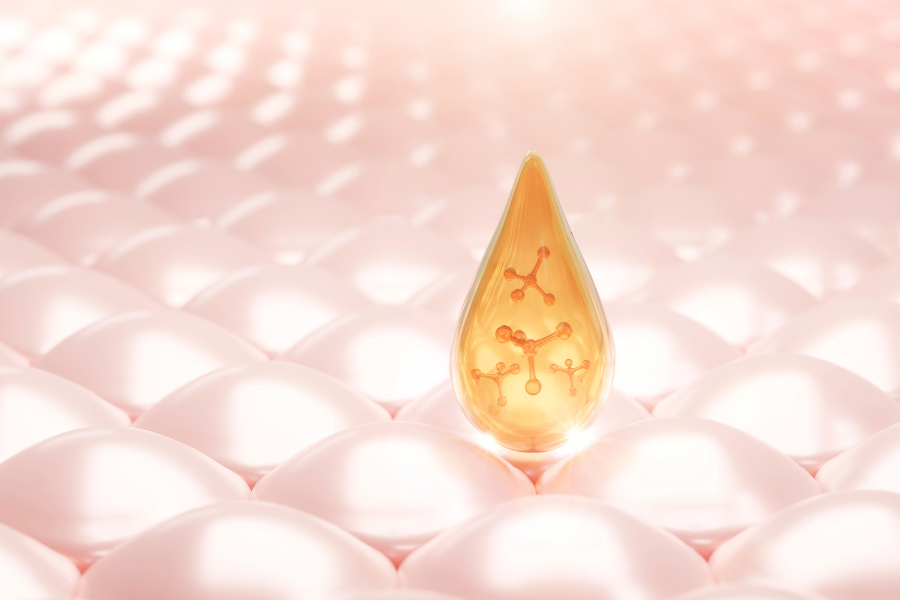
Postbiotics help fortify the skin’s lipid barrier, prevent trans-epidermal water loss (TEWL), and lock in deeper moisture to keep skin plump and hydrated. A prospective clinical study of a postbiotic ferment filtrate derived from Epidermidibacterium keratini (EPI-7) found significantly greater improvements in barrier function, skin elasticity, and dermal density compared to a placebo group, giving this barrier-support claim real clinical grounding. The same study also found that the postbiotic filtrate increased the abundance of several commensal, skin-friendly bacteria, suggesting the barrier improvements and the microbiome shift are genuinely connected rather than coincidental.
A stronger barrier matters for more than comfort. It’s your skin’s primary defense against irritants, allergens, and moisture loss, so reinforcing it tends to produce downstream improvements across nearly every other skin concern on this list.
2. Calming Irritation and Soothing Sensitive Skin Naturally
Postbiotics carry genuine anti-inflammatory properties that can visibly reduce redness, calm flare-ups, and soothe reactive skin. Research shows that postbiotic components, including short-chain fatty acids and lipoteichoic acids derived from Lactobacillus species, suppress inflammatory signaling pathways and reduce oxidative stress at the cellular level, which is part of why this ingredient category is frequently recommended for rosacea, eczema, and severe dryness.
3. Defending Against Environmental Stressors
Postbiotics carry a rich antioxidant profile that helps neutralize the free radicals generated by daily UV exposure, pollution, and other environmental aggressors. That antioxidant activity works hand in hand with barrier support, since a stronger barrier is itself a better defense against the same stressors.
4. Anti-Aging Support: Reducing Wrinkles and Boosting Collagen
This is one of the better-documented postbiotic benefits. The same research reviewing postbiotic effects on skin aging found that postbiotic components can suppress the matrix metalloproteinases (MMP-1 and MMP-9) responsible for breaking down collagen and elastin, helping preserve the extracellular matrix that keeps skin firm. Separately, a study on fermented rice bran extract found it significantly improved collagen and elastin synthesis in skin models, alongside reduced water loss, supporting the broader case for fermented actives in anti-aging formulations. Together, these mechanisms translate to improved elasticity, firmer-looking skin, and visibly smoother fine lines over consistent use.
5. Balancing Acne-Prone Skin
Maintaining a balanced microbiome helps prevent the overgrowth of acne-triggering bacteria, including Cutibacterium acnes (formerly Propionibacterium acnes) and Staphylococcus aureus, while calming the swelling and redness that come with active breakouts. This balance-first approach tends to be considerably gentler on skin than the harsher, stripping ingredients found in many conventional acne treatments.
Decoding Skincare Labels: Best Ingredients in Postbiotics and the Microbiome
Core Ferments and Bioactive Compounds to Look For
Bifida Ferment Lysate. A widely used probiotic-derived ingredient known for reducing skin sensitivity, repairing the protective barrier, and boosting overall skin resilience.
Lactobacillus Ferment (or Lysate). Works to balance skin microflora, deliver deep hydration, and provide an immediate calming effect on highly reactive skin.
Saccharomyces Lysate Extract. A nutrient-rich yeast fermentation extract loaded with antioxidants, formulated to soothe inflammation, repair barrier integrity, and support skin elasticity.
Lactic acid. A gentle, hydrating alpha-hydroxy acid (AHA) that occurs as a natural byproduct of fermentation. It exfoliates dead skin cells while simultaneously reinforcing the moisture barrier, a rare combination for an exfoliating acid.
Fermented rice extract (rice water) and black tea extract (kombucha). Both are antioxidant- and polyphenol-rich ferments used to brighten skin tone, reduce the appearance of fine lines, and shield against environmental damage.
How to Build Your Daily Skincare Routine with Postbiotics for a Resilient Skin Barrier
Layering matters here just as much as ingredient choice. Apply products from thinnest to thickest formulation for the best absorption.
Step 1: Cleanse with a Gentle, Microbiome-Friendly Cleanser
Start with a mild cleanser, ideally infused with Lactobacillus or Bifida Ferment Lysate, to lift away impurities without stripping protective skin lipids or disrupting your skin’s natural pH.
Step 2: Prep and Treat with a High-Concentration Postbiotic Serum or Essence
Apply a lightweight formula containing a high concentration of active bioferments to target specific concerns, whether that’s dehydration, fine lines, or uneven tone. Serums and essences are the ideal delivery format for concentrated postbiotics, since their thinner texture allows for a higher percentage of active ingredients than a heavier cream formula typically permits.
Step 3: Hydrate and Lock in Moisture with a Postbiotic Cream
Layer on a daily moisturizer rich in fermented rice extract or yeast lysates to lock in hydration, reinforce the skin barrier, and help sustain a healthy glow throughout the day.
Step 4: Revive with an Intensive Weekly Treatment Mask
Once a week, incorporate a concentrated synbiotic gel mask that pairs mild chemical exfoliants, like glycolic or lactic acid, with soothing postbiotic lysates to resurface and brighten skin without overdoing it.
Step 5: Protect the Microbiome with Sunscreen
Finish your morning routine with a broad-spectrum sunscreen. UV protection isn’t just about preventing sunburn and photoaging, it also helps prevent the depletion of beneficial skin bacteria that unprotected sun exposure can cause.
FAQ: Addressing Key Questions on Postbiotics and the Microbiome
Do postbiotics have any downsides or side effects? Generally, no. Postbiotics are highly stable and gentle precisely because they don’t contain live bacteria, which makes them exceptionally well-tolerated across skin types, including highly sensitive skin. That said, it’s always worth performing a patch test when starting any new product, postbiotic or otherwise.
Can postbiotics help with chronic skin conditions like eczema or acne? Yes. By helping balance the skin’s microbiome and regulate the local immune response, postbiotics can calm chronic inflammation, soothe itching or redness, and reduce the frequency of both acne breakouts and eczema flare-ups.
What is the main difference between probiotics and postbiotics? Probiotics are live beneficial microorganisms that need to remain alive to work. Postbiotics are non-viable, stable chemical byproducts, metabolites, of that same fermentation process, delivering many of the same soothing and repairing benefits directly, without needing to keep anything alive in the jar.
Conclusion: Embracing the Future of Skincare with Postbiotics
Personalized skincare built around postbiotics lets you target specific concerns, dryness, acne, aging, or sensitivity, while structurally supporting your skin’s natural microbial community at the same time. Rather than masking symptoms with harsh, stripping formulas, fermented skincare offers a genuinely different path forward: one built on supporting a balanced, radiant glow from within your skin’s own ecosystem, rather than fighting against it.