


The word “bacteria” usually sounds like bad news. But inside your digestive tract lives a thriving, essential ecosystem that your body genuinely depends on to function.
Your gut is home to trillions of microorganisms, collectively known as the gut microbiota. Modern research shows these microbes play a major role in digestion, nutrient absorption, immune communication, and even how your body responds to stress.
Here’s the real goal behind gut health and biotics: it isn’t about achieving a sterile gut. It’s about cultivating a diverse, balanced inner ecosystem using probiotics, prebiotics, and postbiotics working together.
Decoding Gut Health and Biotics: Probiotics, Prebiotics, and Postbiotics
These three “biotics” get lumped together constantly, but they play distinct, complementary roles.
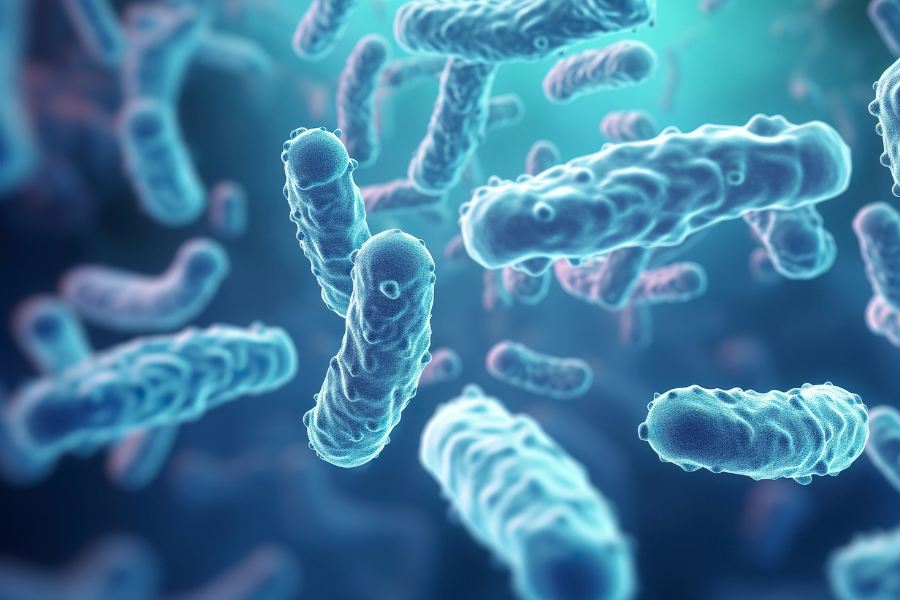
1. Probiotics: The Live Beneficial Bacteria
Probiotics are live microorganisms, mainly friendly bacteria and yeasts, that support the natural balance and normal functioning of your gut when you get enough of them. Lactic acid bacteria make up one of the largest groups found in the intestines.
Strain specificity matters more than most people realize. Benefits are highly strain-specific: a strain shown to help one condition won’t necessarily help another. For example, a randomized controlled trial published in Gastroenterology found that Bifidobacterium infantis 35624 meaningfully eased IBS symptoms like abdominal pain, bloating, and bowel movement difficulty compared to placebo. Separately, research on maternal probiotic strains taken during pregnancy and breastfeeding, summarized by the InfantRisk Center, found a significantly reduced risk of infant eczema in the probiotic groups compared to placebo.
Understanding CFU (Colony Forming Units). CFU measures the density of live, viable bacteria capable of multiplying in a product, not just the total amount added at manufacture. A higher CFU count isn’t automatically better since effectiveness depends on how a specific strain has been studied. According to the NIH Office of Dietary Supplements, many probiotic supplements contain 1 to 10 billion CFU per dose, and some contain 50 billion or more, but a higher number doesn’t guarantee better results.
Quality and stability tips:
- Look for brands that guarantee CFU counts through the end of shelf life, not just at manufacture.
- Follow storage instructions carefully, since some strains require refrigeration to stay viable.
2. Prebiotics: Essential Nourishment for Your Microbiome
Prebiotics are non-digestible fibers and carbohydrates that your digestive enzymes can’t break down. Instead, they travel to the lower gut, where they feed your beneficial bacteria.
Key prebiotic compounds to look for on labels include:
- Inulin
- Fructo-oligosaccharides (FOS)
- Galacto-oligosaccharides (GOS)
- Trans-galacto-oligosaccharides (TOS)
Beyond feeding good bacteria, prebiotics support microbial diversity, assist with calcium absorption for bone health, and support metabolic health.
3. Postbiotics: The Powerful Byproducts of Fermentation
Postbiotics are the bioactive, non-living compounds produced when beneficial bacteria metabolize prebiotics and probiotics. Key postbiotic substances include:
- Short-chain fatty acids (SCFAs)
- Amino acids
- B and K vitamins
- Antimicrobial peptides
These byproducts support the structural integrity of the gut barrier, limit pathogen growth, support balanced immune signaling, and contribute to overall gut comfort.
Foods for Gut Health and Biotics: Natural Sources of Microbes and Fiber

A balanced microbiome starts on your plate. A varied diet rich in fiber-dense plants and fermented foods gives your gut a solid natural foundation.
Fermented Foods Rich in Live Probiotics
- Yogurt and kefir: Excellent live-bacteria sources, but check labels for “live cultures” and meaningful culture counts.
- Traditional fermented options: Miso, kimchi, sauerkraut, and pickled vegetables naturally introduce beneficial strains like Lactobacillus into your gut.
Regularly eating fermented foods supports gastrointestinal health and has been linked to better cardiovascular and metabolic health markers in observational research.
Prebiotic-Rich Foods to Fuel Good Bacteria
- Top prebiotic foods: Garlic, onions, leeks, artichokes, chicory root, asparagus, and bananas.
- Fiber foundations: Legumes, green vegetables, oats, and whole grains are inexpensive, convenient ways to feed healthy gut flora daily.
Lifestyle Habits That Directly Influence Your Gut Microbiome
Diet is only part of the picture. Daily habits shape the environment your gut microbes actually live in.
Prioritize Quality Sleep
Sleep helps regulate the daily rhythms closely tied to digestive function, and consistent, adequate sleep is associated with a more balanced gut microbial environment.
Engage in Regular Physical Activity
Active individuals tend to show a more diverse gut microbiome composition compared to sedentary populations. Exercise has been linked to increases in beneficial gut strains and decreases in strains associated with systemic inflammation, including in some studies of people with prediabetes or type 2 diabetes.
Maintain Proper Hydration
Spreading water intake evenly throughout the day, generally in the range of 6 to 8 glasses, helps move dietary fiber efficiently through the digestive tract and supports regular bowel movements.
Practice Mindful Eating
Eating slowly, avoiding distractions, and chewing thoroughly gives your digestive enzymes more time to work effectively, which can ease post-meal discomfort.
Consider Herbal Bitters and Traditional Support
Bitter foods like arugula, chicory, and artichokes naturally stimulate digestive secretions. Traditional herbs such as yellow gentian, dandelion root, and chamomile have long been used to support appetite and general digestive comfort, though formal clinical evidence for these specific herbs is more limited than for diet and fiber intake.
Incorporating Supplements Into Your Gut Health Routine
A balanced diet is always the foundation, but supplements can offer targeted support during stress, illness, or dietary gaps.
Smart Supplement Selection Guidelines
- Read labels carefully. Look for clearly labeled, specific strains rather than vague “probiotic blends,” along with a guaranteed CFU count through the expiration date.
- Understand synbiotics. These combine probiotic strains with prebiotic fibers in a single formula for a more complete approach.
- Know the regulatory landscape. Probiotic supplements are regulated as foods, not drugs, in the United States. Always check with a healthcare provider before starting a new supplement, especially for young children, older adults, or anyone with a compromised immune system.
Rebuilding Your Gut After Antibiotics
Antibiotics are essential for fighting infection, but they temporarily wipe out both harmful and beneficial bacteria. This disruption, known as dysbiosis, causes antibiotic-associated diarrhea in up to roughly 30% of patients, and can also contribute to yeast overgrowth in some cases.
Taking a probiotic during or after a course of antibiotics has been shown in multiple meta-analyses to meaningfully lower this risk. A systematic review and meta-analysis of over 11,000 adults found that co-administering probiotics with antibiotics reduced the risk of antibiotic-associated diarrhea by roughly 37%.
Frequently Asked Questions
What are prebiotics? Prebiotics are non-digestible dietary fibers and carbohydrates that serve as direct nourishment for the beneficial bacteria already living in your gut, helping them grow and function well.
What is the difference between probiotics and prebiotics? Probiotics are live, beneficial microorganisms that populate your intestinal tract. Prebiotics are the non-living fibers that act as food to nourish those bacteria. One is the organism, the other is its fuel source.
Is it safe to take a probiotic daily? For most healthy adults, daily probiotic use is considered safe and can help support a more balanced gut environment. That said, the right strain, dose, and duration should be tailored to your specific needs, so it’s worth discussing with a healthcare provider, particularly if you have an underlying health condition.
What are CFUs and how many do I need? CFU stands for Colony Forming Units, a measure of the live, viable bacteria in a product capable of multiplying. Needs vary by strain and goal, but many clinically studied doses fall in the range of 1 to 10 billion CFU daily, with some conditions studied at higher doses under medical supervision.
What are the signs that I might need to take a probiotic? Common indicators include ongoing digestive issues like bloating, irregular bowel movements, or gas; recovering from a recent course of antibiotics; or managing symptoms associated with a condition like IBS. A healthcare provider can help confirm whether a probiotic, and which strain, makes sense for your situation.
Conclusion: Taking Control of Your Gut Health and Biotics
The science of gut health and biotics reveals a genuinely interconnected system, one where digestion, immunity, mood, and even skin health are all physiologically tied to the trillions of bacteria living inside you.
Start small. Add one prebiotic-rich food and one fermented food to your plate today, commit to a more consistent sleep schedule, and talk to your doctor about whether a strain-specific probiotic supplement fits into your routine. Small, consistent shifts are what actually move the needle for your gut’s long-term health.