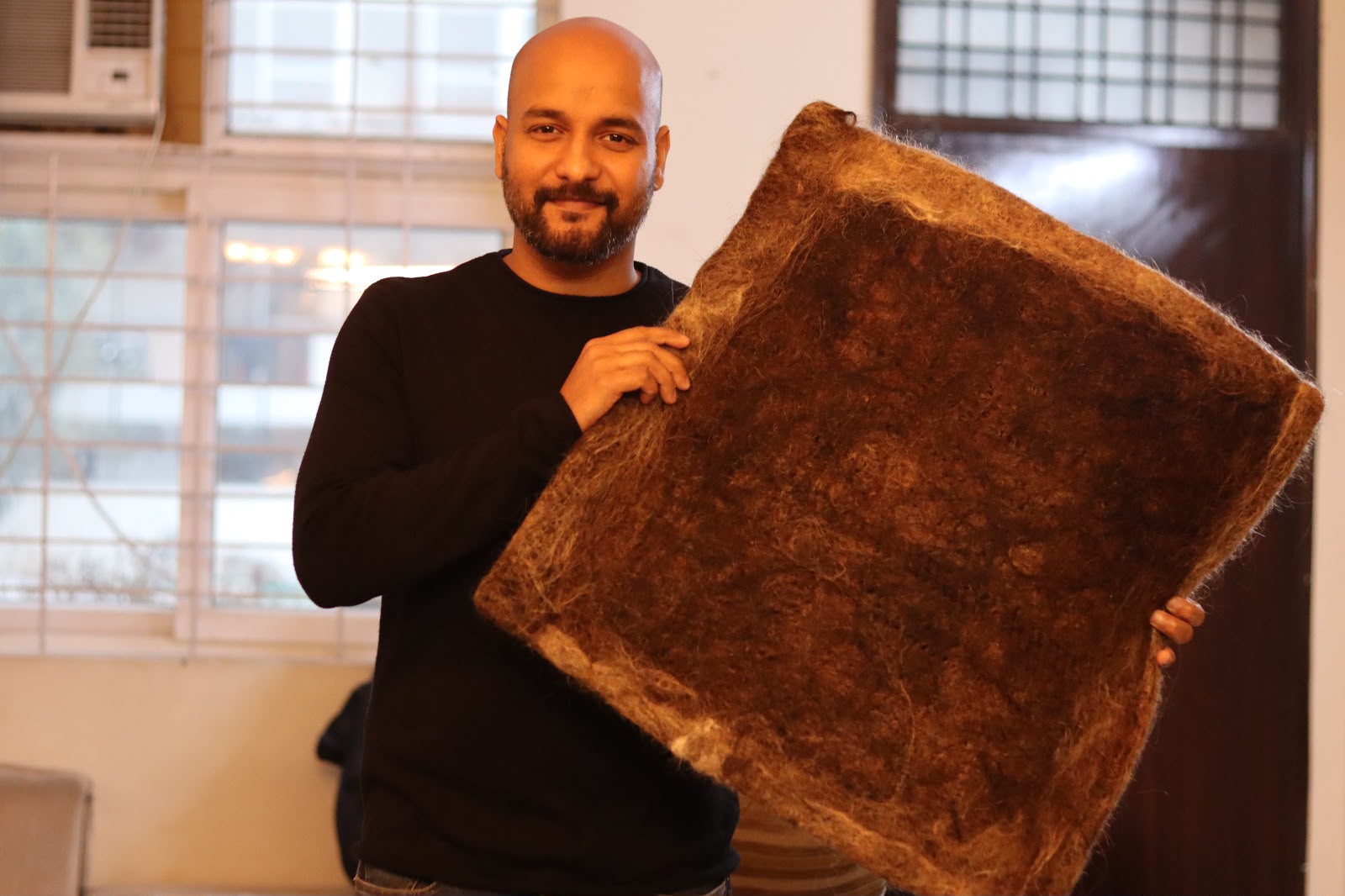

What was once swept off salon floors and discarded as waste is now emerging as an innovative environmental solution. Rahul Gupta, founder of the Kesakambali Foundation, has developed a unique system that transforms discarded human hair into filtration mats capable of reducing pollutants in urban drains before they enter rivers. The initiative not only offers a sustainable use for salon waste but also highlights the beauty industry’s potential contribution to environmental conservation.
At the heart of the initiative is the HydroHair Barrier System (HBS), a floating filtration system that uses processed human hair to trap oil, suspended solids and microbial contaminants from wastewater. Human hair is naturally rich in keratin, making it highly effective at absorbing oils and supporting beneficial microbial growth. As water passes through the hair mats, naturally occurring bacteria form a biofilm that helps break down organic pollutants, improving the system’s efficiency over time.
The technology recently underwent a pilot project at Drain-Lag 3 in Gurugram, where water samples were independently tested before and after passing through the HydroHair Barrier System. The results showed an 87% reduction in faecal coliform levels, along with significant improvements in Biological Oxygen Demand (BOD) and Chemical Oxygen Demand (COD), demonstrating the system’s potential to improve water quality before wastewater reaches larger water bodies.
Unlike conventional treatment systems, the HydroHair Barrier System requires no electricity and is designed to complement existing sewage treatment infrastructure rather than replace it. Gupta emphasises that while the technology cannot solve India’s water pollution crisis on its own, it provides an affordable, low-energy intervention for drains that discharge untreated wastewater into rivers.
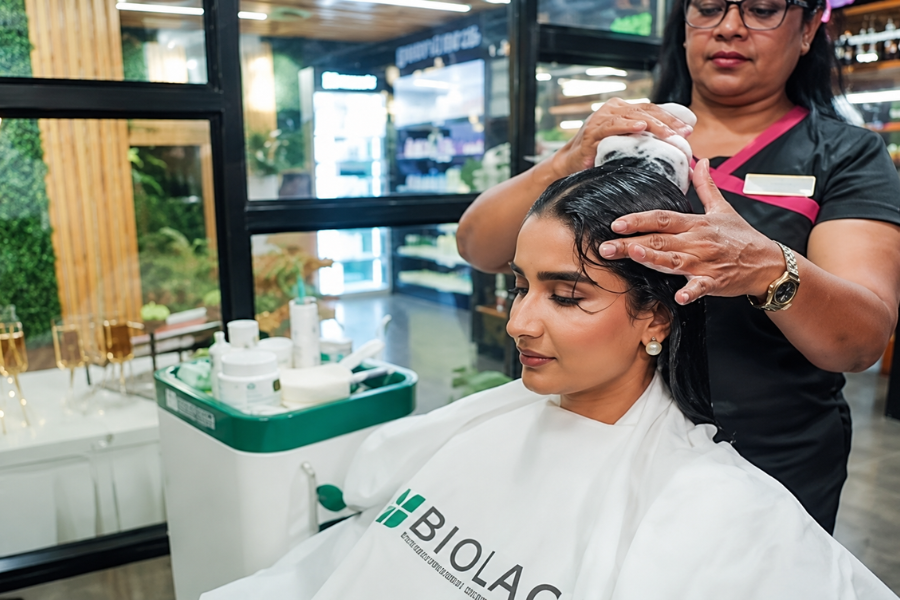
The initiative also addresses a growing waste management challenge within the salon industry. India generates large quantities of discarded human hair every day, much of which ends up in landfills. Through partnerships with salons across the country, the Kesakambali Foundation collects donated hair, processes it into dense filtration mats and deploys them in urban drains. To date, the foundation has recycled more than 1,000 kilograms of human hair.
Beyond water filtration, the system embraces circular sustainability. Once the mats reach the end of their filtration cycle, they can be biologically treated and repurposed as agricultural mulch, ensuring that the material continues to serve an environmental purpose instead of becoming waste.
For the salon industry, the initiative presents a compelling example of how everyday salon waste can be transformed into a resource with meaningful environmental impact. As sustainability becomes increasingly important across the beauty sector, innovations such as the HydroHair Barrier System demonstrate how salons can play a role beyond beauty—contributing to cleaner cities, responsible waste management and a healthier environment.