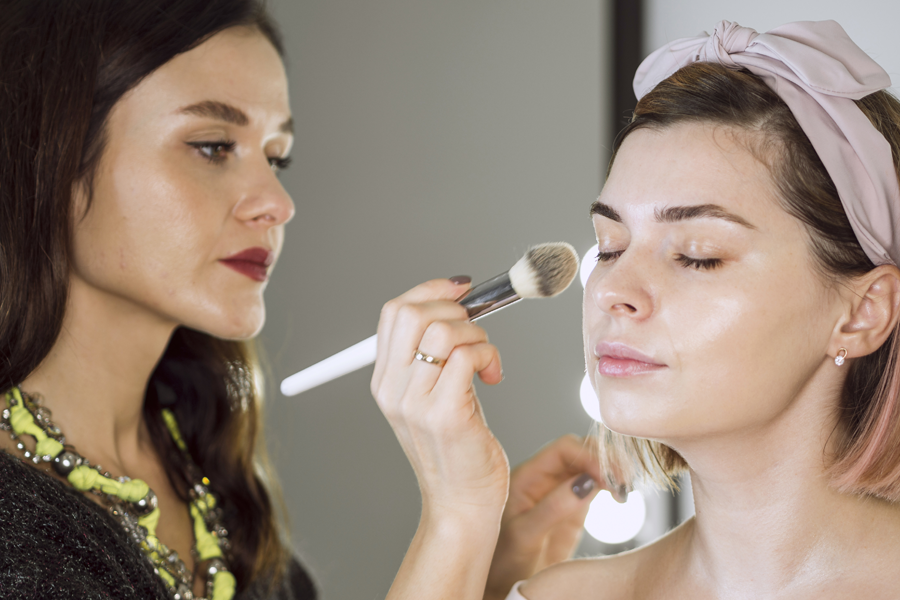

How professional makeup artists are building skin prep routines that adapt to India’s climate — and why that makes all the difference
Words | Kathakali Dutta
When makeup fails, most artists blame the product. The foundation oxidised, the primer wasn’t strong enough, and the setting spray didn’t hold. But ask a working makeup artist who compromised base to humidity on a coastal shoot, or watched concealer crack on a client in dry heat, and they will tell you the same thing – it started in the prep.
Skin prep is not a fixed routine. It is a climate-specific decision made before any colour product is opened. StyleSpeak spoke to Richa Agarwal, Founder of Cleopatra Chain of Beauty and Makeover Salons, to understand India’s variable weather — from monsoon humidity to air-conditioned interiors — demands a different approach each time.
One Routine Does Not Fit All Conditions
The most common error Richa sees is artists doing the same prep routine across different environments. “Different weather requires different preparation,” she says. Dry heat calls for deep hydration before anything else. High humidity demands oil control and a water-resistant pore minimiser. Monsoon conditions need lightweight layers that do not add to the skin’s already-elevated moisture load. Air-conditioned environments silently strip the skin of moisture, requiring barrier-locking hydration to counteract what the AC has already taken.
The Humidity Problem
For Richa, high humidity is the most challenging condition to prep for. “My non-negotiable is proper oil balancing with lightweight hydration,” she says. In humid conditions, over-moisturising on oily skin creates excess slip, making foundation slide rather than sit. The fix is not skipping moisture altogether. It is choosing a water-resistant pore minimiser after a balancing toner, then building in light layers, nothing heavy, nothing occlusive.
The Humidity Prep Protocol
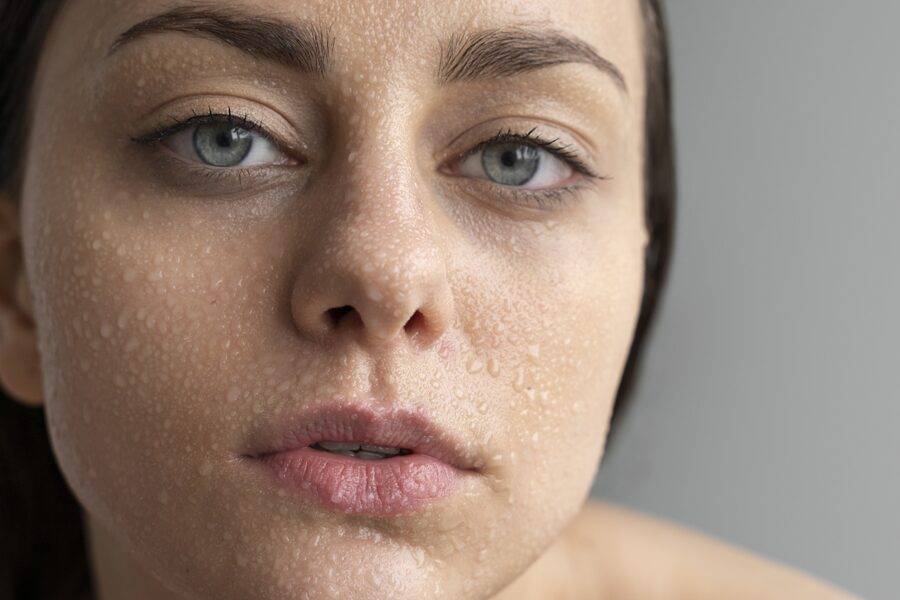
In high-humidity conditions, the sequence matters as much as the products. Begin with a balancing toner to regulate sebum activity. Follow with a water-resistant pore minimiser, not a standard primer. Keep all subsequent layers light — one thin coat, fully absorbed, before the next is applied. Any shortcut here shows up in photographs within two hours.
Where Most Bases Actually Fail
Richa is direct about the mistake she sees most often. “Overloading and layering skincare with foundation is the biggest problem,” she says. “It causes slipping, patchiness, and creasing.” More products do not mean more protection. It creates more points of failure.
Different skin types respond differently under pressure. Oily skin reacts most dramatically in humidity — sebaceous activity increases, and any excess product in the prep accelerates breakdown. Dry skin struggles most in heat and in AC environments, where dehydration tightens the surface and causes foundation to cling to texture. “Customised hydration and the right primer are important to balance both,” says Richa.
Dermatologists confirm that surface humidity does not equal deep hydration — a distinction that matters enormously in prep. A face that feels sticky and damp to the touch in monsoon conditions can still be dehydrated beneath the surface, which is precisely why occlusive moisturisers fail in those conditions while lightweight humectants do not.
The Step Most Artists Skip
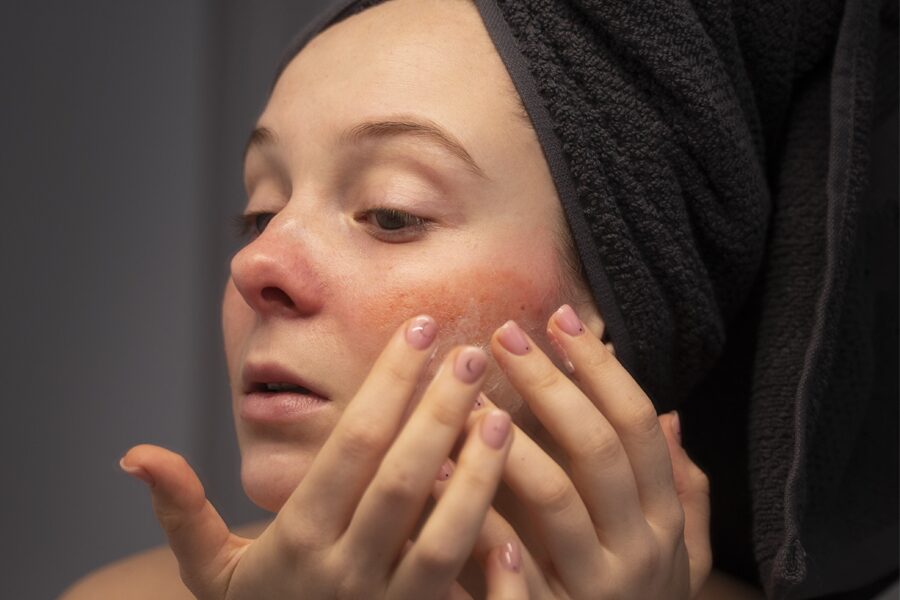
Of all the adjustments a professional artist can make, Richa names one that consistently goes overlooked — and it costs nothing. Temperature-balancing the skin before applying any product. “It is often skipped,” she says, “but it is essential for long-lasting, flawless makeup.” Warm skin causes products to shift on contact. A cooled, settled skin surface allows genuine adhesion. It is a step that takes less than two minutes and changes the wear time significantly.
What the Industry Is Catching Up To
Skin prep is increasingly being recognised as a professional skill in its own right, not simply a precursor to colour work. Practices like barrier repair and targeted prep for long-wear makeup are becoming essential training areas for makeup artists, sitting alongside formula knowledge and application technique. Meanwhile, India has emerged as a key location for climate-adaptive beauty formulation, with brands actively developing products designed specifically for humidity, UV exposure, and monsoon-related skin stress. The professional artist who understands these formulations — and builds prep protocols around them — holds a clear advantage.
Box: Climate-Ready Prep — Quick Reference
High Humidity — Balancing toner. Water-resistant pore minimiser. Lightweight layers only. Avoid heavy moisturisers on oily skin.
Dry Heat — Deep hydration first. Barrier-building moisturiser. Allow full absorption before primer.
AC Interiors — Barrier-locking moisture to counter what the environment has already stripped.
All Conditions — Temperature-balance the skin before the first product. Never overload layers.
For makeup professionals, this is where technique separates itself from routine. Reading the environment before opening the kit and adjusting accordingly is what keeps a base intact from the first photograph to the last.