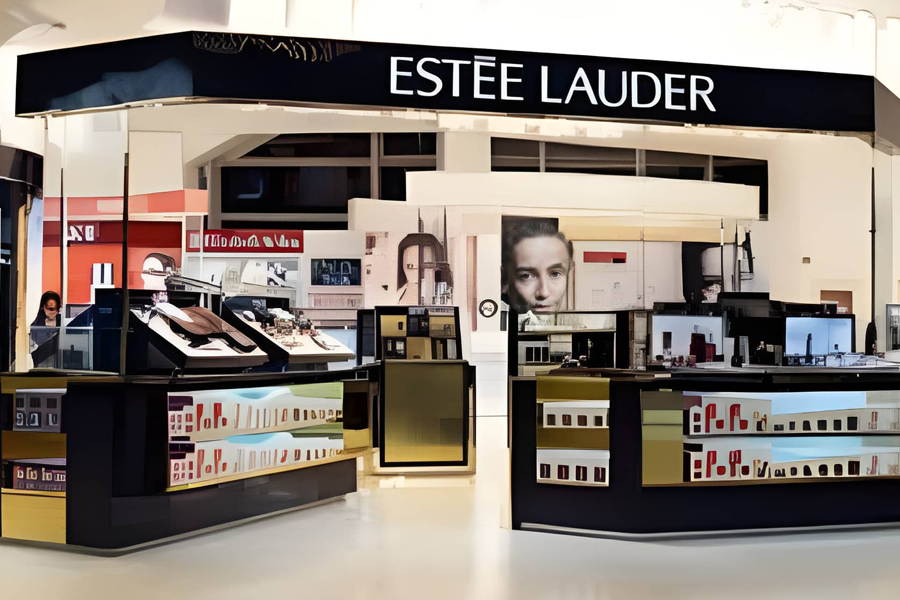

Estée Lauder has agreed to a $210 million settlement to resolve a shareholder lawsuit accusing the cosmetics giant of concealing its overdependence on improper grey market sales in China. The preliminary all-cash settlement was filed in Manhattan federal court and requires approval by US District Judge Arun Subramanian.
The case centred on a practice known as daigou, where resellers purchase luxury goods at low duty-free prices and resell them to consumers at below-market rates. Shareholders alleged that Estée Lauder became heavily reliant on daigou sales, particularly in China’s Hainan province, during the Covid pandemic. When the Chinese government cracked down on the practice in January 2022, shareholders claimed the company delayed disclosing the significant impact on its business.
According to the lawsuit, Estée Lauder concealed the full extent of the damage until November 1, 2023, triggering a 19 percent plunge in its share price and wiping out approximately $8.7 billion in market value. The company generates around one-fifth of its total global sales from mainland China, making the market a critical component of its overall business performance.
Estée Lauder denied any wrongdoing in agreeing to settle and indicated that insurance would cover a portion of the settlement costs. The company did not issue an immediate comment following the filing.
The shareholders leading the case are three Michigan public pension funds. Their legal team plans to seek up to 32 percent of the settlement fund, approximately $67.2 million, in fees.
The settlement comes at a particularly sensitive moment for Estée Lauder, as the company simultaneously navigates a major restructuring programme, ongoing merger discussions with Spain’s Puig Brands, and continued efforts to stabilise its performance in the Chinese beauty market, which has shown only modest signs of recovery in recent quarters.