
Walk into any busy salon in Mumbai, Bengaluru, or Delhi this season and pay attention to what clients are asking for at the colour consultation. Not the usual. Not the standard balayage brief from three years ago. Something has shifted in how Indian clients think about hair colour, and the latest hair colour trends making their way through the professional industry in 2026 reflect that shift clearly.
The ask now is for colour that looks considered. Lived-in but intentional. Natural but not boring.
The Era of “Invisible” Colour Work
The most technically demanding request a colourist gets today is deceptively simple-sounding: “I want it to look like I haven’t coloured it.”
Seamless root blending, shadow roots, and tonal depth work have become the backbone of modern salon colour. Clients are moving away from the high-contrast, chunky highlight aesthetics of the early 2020s toward colour that reads as depth and dimension rather than visible technique.
What this actually requires from the colourist is more skill, not less. Blending three or four tones across a single head of hair so that no single placement is visible takes considerably more precision than a clean highlight application. The result looks effortless. The process is not.
The techniques driving this category right now:
- Shadow root colour that creates seamless graduation from the natural root into the mid-shaft and ends
- Tonal balayage using shades within the same colour family rather than contrasting light and dark
- Glossing services applied over existing colour to refresh tone and add mirror-like shine without lift
- Root smudging as a standalone service for clients who want to extend time between full colour appointments
This last point matters for the business side. Clients who understand root smudging as an option stay in the salon chair more regularly, at a lower spend per visit but a higher frequency.
The Colours Actually Moving in 2026
Technique aside, the latest hair colour trends this season are organised around a few specific tonal directions that are appearing consistently across professional colour presentations and client briefs.
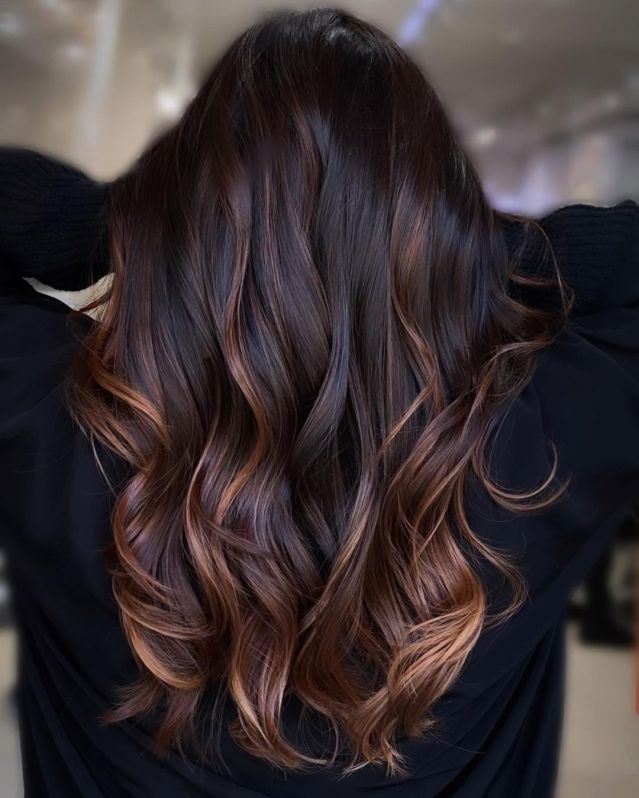
Warm, earthy tones are dominant. Chestnut browns with copper undertones. Auburn-adjacent shades sitting between brown and red. Honey blondes that lean golden rather than cool or ashy. After a long run of cool, grey-toned colour, warmth is back in a serious way.
For Indian hair specifically, this is a natural fit. Warm tones tend to work with the natural undertones present in most Indian skin, whereas ashy blondes require significant maintenance and can read muddy without the right base preparation.
On the bolder end, a different story is unfolding:
- Bordeaux and deep wine shades are seeing strong demand as statement colour choices that still feel wearable for professional environments
- Copper and rust tones in medium depths, particularly on shorter haircuts where the colour can be fully appreciated
- Soft, diluted pastels applied as toners over pre-lightened hair for clients who want something expressive without full commitment
- Vivid single-process colour in bottle green and cobalt blue for the editorial and younger client segment
What all of these share is a precision demand. None of these looks are forgiving of poor base preparation or rushed processing.
The Maintenance Conversation Is the Colour Conversation
Here is what separates a good colour consultation from a great one. A colourist who only talks about the colour itself is doing half the job.
The latest hair colour trends in 2026, particularly the seamless and tonal categories, require a maintenance commitment from the client to stay looking as intended. Warm coppers fade quickly without colour-protecting products. Shadow roots grow out differently depending on natural root depth. Vivid tones on pre-lightened hair need a gloss refresh every six to eight weeks.
This means the consultation is not complete until the colourist has walked the client through:
- What the colour looks like at week two, week four, and week eight
- Which home-care products are non-negotiable for colour longevity
- When the next appointment needs to happen to keep the result looking intentional
Clients who receive this level of clarity come back. Clients who feel surprised by how their colour behaves after three weeks do not.
What the Industry Is Reading
Colour education in the professional industry moves fast. New techniques come through brand launches, international shows, and platform artist work. Keeping up requires consistent access to credible, practitioner-focused information.
StyleSpeak has been the publication of record for Indian salon professionals for over two decades. The latest hair colour trends, technique breakdowns, product reviews, and colourist interviews in every issue are written for people who do this work, not for people who observe it.
If colour is a serious part of your salon’s service menu, StyleSpeak belongs in your reading rotation. Subscribe and stay current.