
In a shift marking the next evolution in the beauty sector, market intelligence firm Mintel reports that the industry is moving away from campaigns with flawless visuals, towards embracing human-centred authenticity. This transformation is being driven by growing consumer fatigue with ultra-polished, algorithm-generated images and a rising demand for brands that showcase their human side.
Andrew McDougall, Mintel’s Director of Beauty & Personal Care Insights, describes this emerging trend as the “Human Touch Revolution,” where imperfections, craftsmanship and emotional resonance carry more weight than aesthetics. He explains that brands winning future loyalty will be those that highlight the makers, reveal their processes and include the “flaws” not as mistakes to hide but as proof of authenticity.
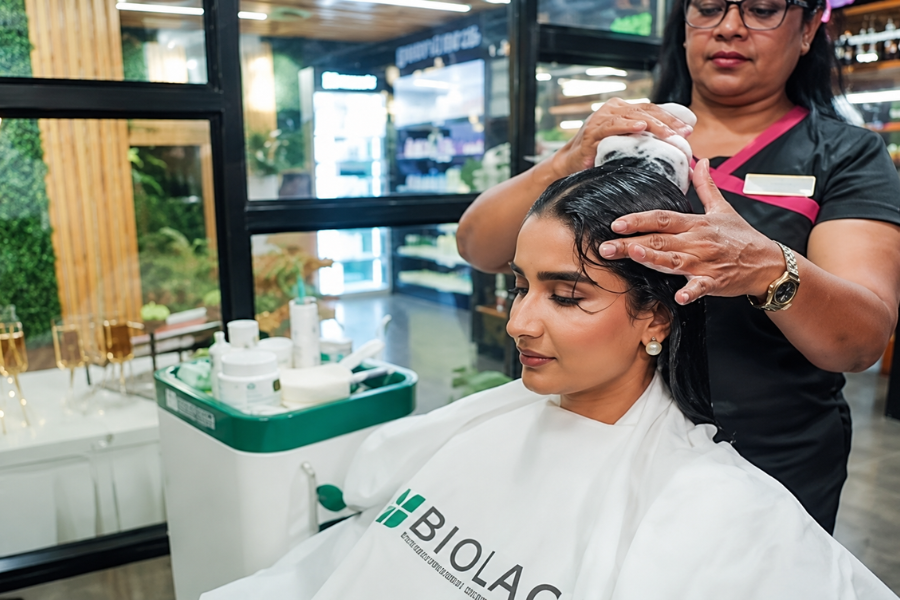
In practical terms, this means beauty labels are now encouraged to pull back the curtain and share behind-the-scenes content. From day-in-the-life footage of their teams, to admitting production setbacks, to revealing tactile textures and unique store interiors. One brand, Aesop, has embraced this by intentionally featuring uneven textures in its retail spaces.
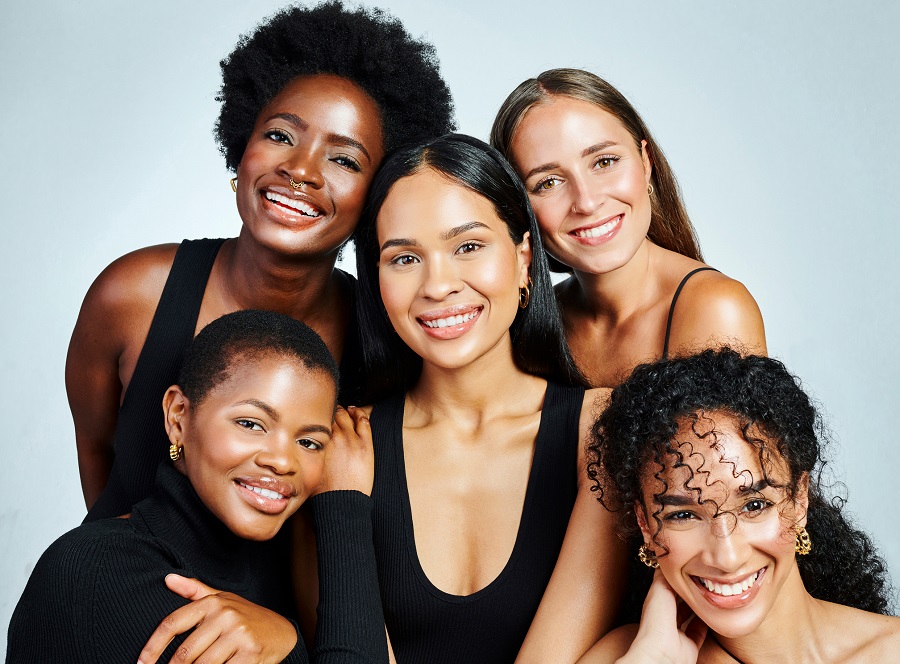
The trend also touches on advertising. Consumers increasingly respond to real people with real skin, rather than staged models and retouched visuals. One survey found that more than half of UK internet users prefer brand communications that show authenticity and imperfection over artificial perfection.
Co-creation with communities is another element of this evolving playbook. Brands like Glossier and Trinny London are involving customers in product development and letting their stories shape the brand narrative.
Industry watchers conclude that the beauty landscape of 2026 and beyond will reward those brands daring to show vulnerability, craftsmanship and human imperfection. They have flipped the script on traditional ideals of “perfect beauty”.