
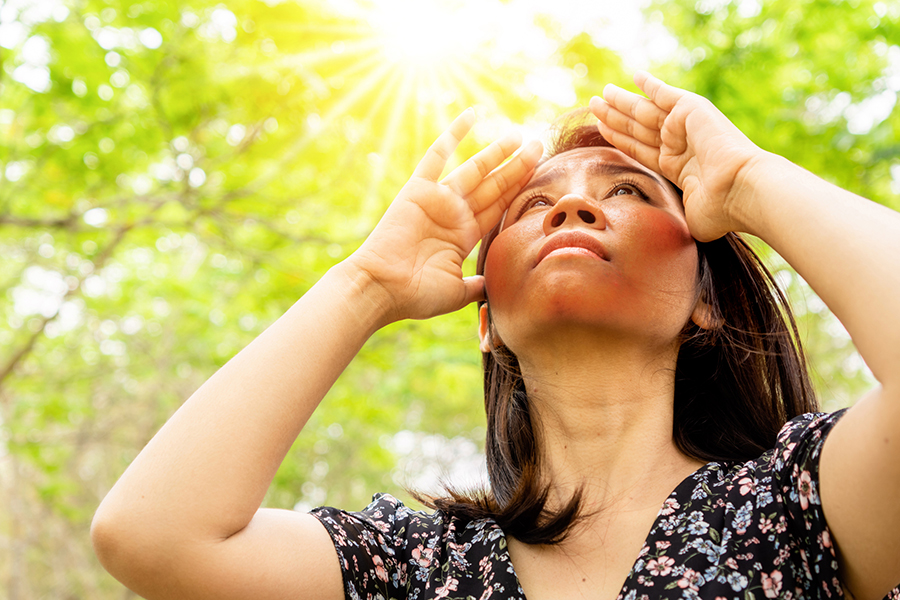

Rising global temperatures are doing more than just melting ice caps—your skin is paying a steep price. As climate change accelerates, its effects are subtly but steadily undermining skin health in multiple ways.
First, increased heat and UV exposure multiply the risk. Hotter days lead to more sweat and oil production, which block pores and aggravate conditions like acne, eczema and psoriasis. Meanwhile, thinning ozone and stronger ultraviolet radiation accelerate signs of skin ageing—wrinkles, pigmentation, loss of elasticity—and increase the risk of skin cancers.
Humidity shifts also play a problematic role. Dry air depletes moisture from the skin, resulting in flakiness, tightness and compromised barrier functions. In contrast, high humidity fosters excess sweat, encouraging fungal and bacterial growth. These cycles make it difficult for individuals to find skin-care routines that actually work, especially when local weather swings are abrupt.
How is air pollution responsible?
Air pollution, which is often exacerbated by climate factors like wildfires or dust storms, worsens oxidative stress in skin cells. Small particulates settle onto the skin, provoke inflammation, and can disrupt microbiome that protect skin from disease and maintain tone and texture.
Allergens are another growing concern. Longer growing seasons, elevated carbon dioxide, and shifting planting patterns increase pollen production and potency. The result: higher incidence of allergic reactions and contact dermatitis in regions previously unaffected or only mildly affected.
Role of erratic climate and natural calamities
Environmental disasters such as floods or extreme rainfall bring different hazards. Floodwaters can introduce irritants and pathogens, causing infection and flare-ups. Damp environments after storms often encourage mould and insect proliferation, further compromising skin integrity.
Stress, both physical and psychological, compounds all these issues. Whether from displacement, heatwaves, or environmental degradation, elevated stress levels worsen inflammatory skin conditions like psoriasis, eczema and even pigment disorders.
Vulnerable groups—children, the elderly, people with pre-existing skin issues, those in polluted urban areas or in regions with limited health care access—face the brunt of these combined effects.
How to protect your skin?
Adjusting skincare routines to climate (using gentle cleansers, barrier-repair moisturisers, broad-spectrum sunscreen daily), avoiding peak sun hours, managing stress, supporting clean-air policies, and being alert to environmental changes can help safeguard the skin.
As our planet warms, awareness of how climate shapes skin health is no longer optional—it’s essential.
Also Read: Spas are Offering Mini-Retreats