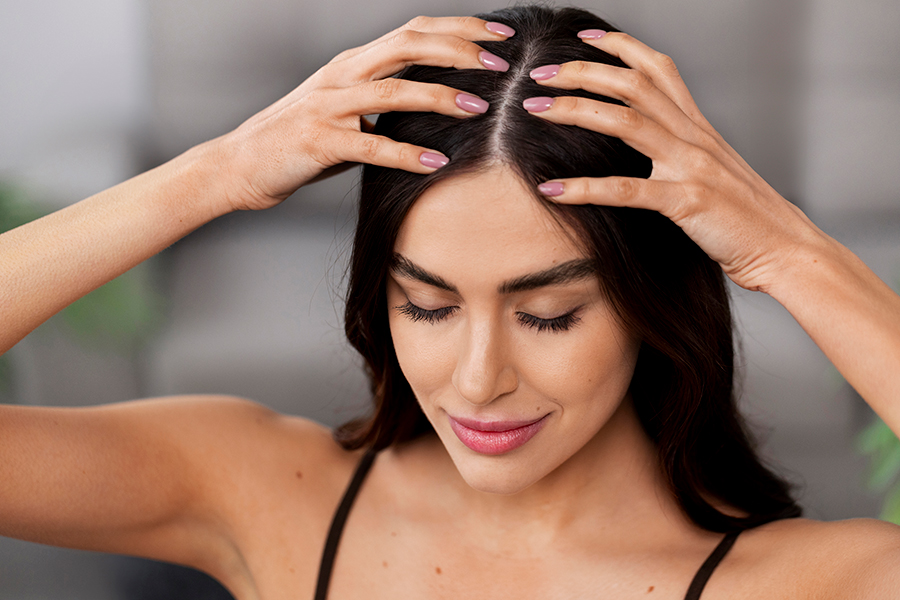

Scalp as the new skin gets its due with scalp-specific care and treatments
Scalp problems and causes
The interest in scalp care has always been limited and compromised, leading to several scalp issues.
Some of the signs of unhealthy scalp include
- Itchiness
- Redness
- Dryness
- Flaking or excessive oiliness
- Sensitivity, tenderness, or a tight feeling can also occur in an unhealthy scalp
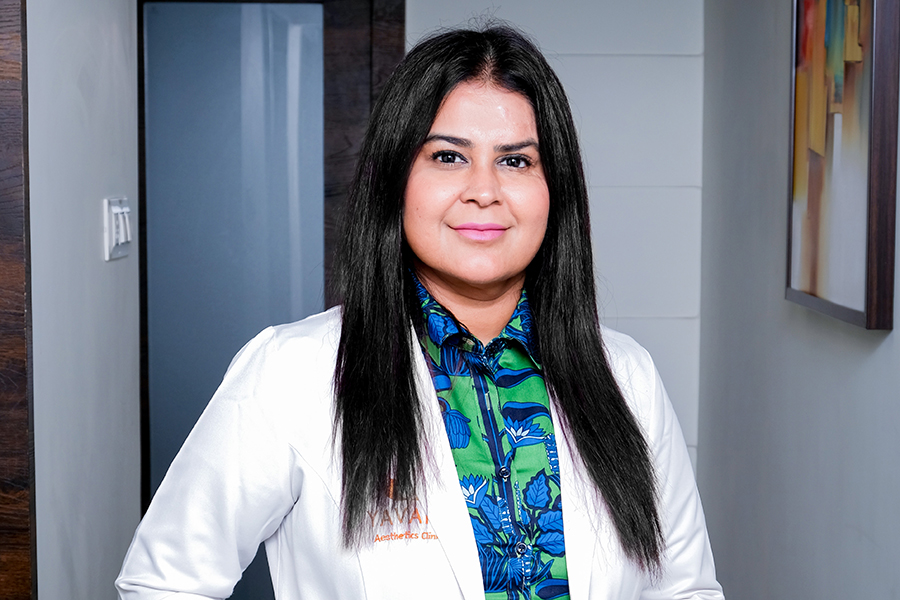 According to Dr. Madhuri Agarwal, Founder & Medical Director- Yavana Skin & Hair Clinic, “It is seen that in severe cases these signs can eventually lead to hair thinning or loss. When bumps, pustules, sores, unpleasant odor, or buildup occur at the roots, we consider it usually suggestive of infection or inflammation on the scalp.”
These persistent signs and warnings are proof enough to understand that scalp problems truly exist. The best way to overcome these issues is to pamper an unhealthy scalpwith soothing treatments.
Tackle scalp problems tactfully
Healthy scalp is the foundation of healthy hair. If the scalp is nourished, it will enhance the beauty of hair and ignoring it will worsen the quality of hair.
Some of the common scalp issues seen today are
- Dandruff
- seborrheic dermatitis
- Scalp psoriasis
- Folliculitis
- Scalp sensitivity and inflammation, frequently caused by stress, pollution, and the excessive use of harsh multiple hair products
Dr. Madhuri Agarwal states, “Scalp buildup due to styling product residues and infrequent washing, particularly among individuals adhering to the “no-shampoo” trend, has become a significant concern. Many patients come to us complaining of hair shedding or thinning related to illnesses, hormonal imbalances, or nutritional deficiencies. With the rising popularity of hair extensions and tight hairstyles, ‘traction alopecia’ is becoming more common as well. Additionally, contact dermatitis from hair dyes and fragrance-laden products is increasingly seen by us in our clinic.”
With increase in awareness of scalp health, there is an increase in early dermatologist consultations and improved results through personalized treatments, ranging from medicated shampoos to in-clinic procedures such as PRP (platelet-rich plasma) therapy.
A word of caution from Dr Madhuri Agarwal, “It is always advisable to consult a board certified dermatologist when there are persistent symptoms, as they might be due to conditions like seborrheic dermatitis, psoriasis, or fungal infections.”
Skinification of scalp
Like skin and hair care there is no one size that fits all treatment for the scalp. The ecosystem of scalp also differs from person to person. With several advancements in skincare another trend that stands out is ‘skinification’ which has made inroads into the scalp domain too. Dr. Madhuri Agarwal reveals, “The concept of “skinification” for the scalp highlights its importance in hair care, and implies treating it like skin.”
Modern tools for comfort
There are several diagnostics tools to identify skin and hair health. Similarly modern scalp tools such as trichoscopy and scalp imaging in clinics to assess scalp health thoroughly. These methods can identify signs such as inflammation, clogged follicles, or imbalances in the scalp, facilitating personalized treatment.
Care, safety and treatments
The scalp requires cleansing, exfoliating, hydrating, and protecting just like skin.
- Proper exfoliation helps to remove dead skin cells and excess sebum from the scalp and promotes healthier hair growth.
- Salicylic and glycolic acid-based chemical exfoliants are very popular but it is recommended that one should use them carefully.
Some of the treatment options include
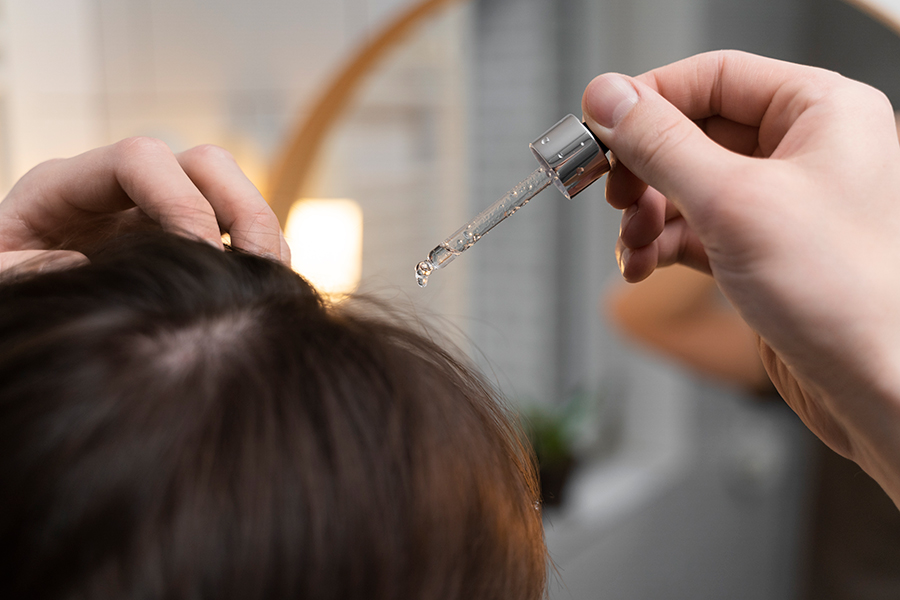
- Pre-shampoo scalp masks
- Micellar cleansers and serums with niacinamide and panthenol
Dr. Madhuri Agarwal cautions, “It is crucial to avoid over-cleansing or over-exfoliating of the scalp. In my opinion, scalp care, similar to skincare, should be consistent, gentle, and personalized”
Scalp treatments are generally safe. However overuse of exfoliating acids or harsh cleansers can cause dryness, irritation, or flaking. Fragrances or preservatives in scalp products can lead to allergic reactions or contact dermatitis. “Procedures like PRP or microneedling can lead to temporary redness or swelling. It is recommended to use products suited for your scalp type and also follow instructions carefully. Consult a dermatologist if you are in doubt to avoid worsening of scalp symptoms or damaging the scalp,” adds Dr. Madhuri Agarwal.
Similar to hair and skin care, the future of scalp care will include personalized, science-backed solutions. With developments in innovations for scalp microbiome analysis, AI-powered diagnostics, and biotech ingredients expected to target scalp health and hair growth, holistic approaches addressing diet, stress, and internal health will also become more significant in achieving scalp wellness over time.