
Why preventive healthcare, data-driven fitness, and outcome-based wellness are redefining what it means to live well.
Words| Shweta Dravid
For today’s young Indians, health is no longer something to be fixed after it breaks. It is something to be built, tracked, optimized, and protected every single day.
Across urban India, aware Gen Z and millennials are redefining fitness and wellness, shifting decisively from reactive care to preventive healthcare. They are counting steps, logging sleep cycles, monitoring heart rate variability, cleaning up diets, training harder, and recovering smarter. For them, wellness is not an indulgence but a way to live longer and healthier. The result is a cultural reset in which health is measured not in mirror selfies but in performance, energy, recovery, and resilience.
StyleSpeak tracks how wellness is becoming measurable, preventive, and non-negotiable for this age group.
Preventive Healthcare: Acting Before the Alarm Bells Ring
One of the most apparent shifts among young consumers is the move away from “wait and treat” medicine to proactive health management. Instead of reacting to symptoms, they are investing in regular diagnostics, such as annual blood panels, metabolic health checks, cardiovascular screening, and hormone and inflammation markers, among others. These establish early baselines and help make course corrections at a stage when the body is still responsive to change.
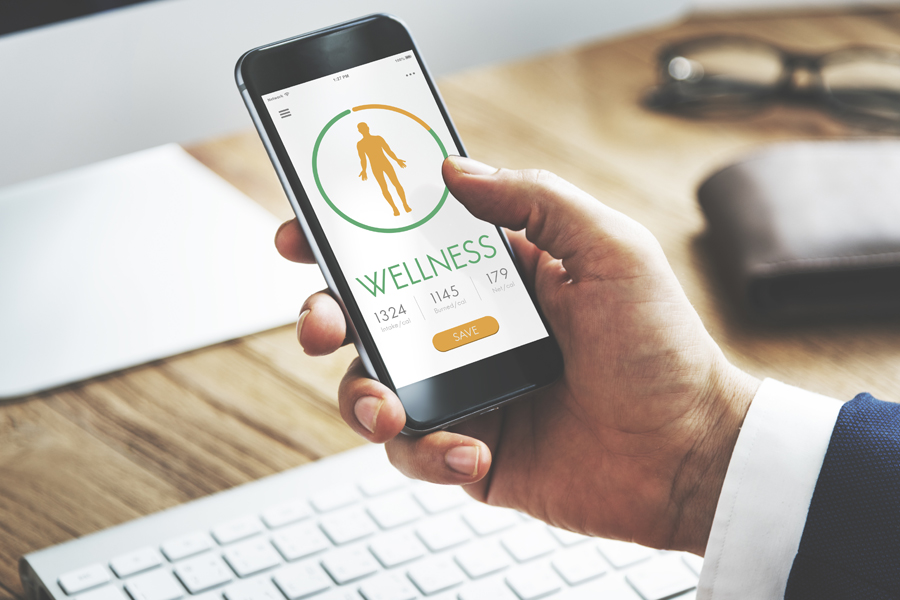
What happens between these annual check-ups is equally essential. This generation recognises that conditions such as diabetes, obesity, chronic inflammation, sleep disorders, and burnout do not appear overnight; they are the cumulative outcome of everyday choices. To bridge that gap, they rely on technology for continuous monitoring. Sleep tracking apps and wearables such as Apple Watch, Fitbit, Garmin, Oura Ring, and WHOOP are used to track sleep duration, sleep stages, resting heart rate, and heart rate variability. Nutrition apps log protein intake, glucose response, and meal timing, while fitness platforms monitor training load, recovery, and consistency. All of them allow you to make real-time lifestyle adjustments.
From Prevention to Practice – Daily Health Tools
Tracking health is only the first step; how young Indians train, eat, and recover is where prevention truly takes shape. Once diagnostics and daily metrics highlight gaps and risk factors, lifestyle habits become the primary tools for correction.
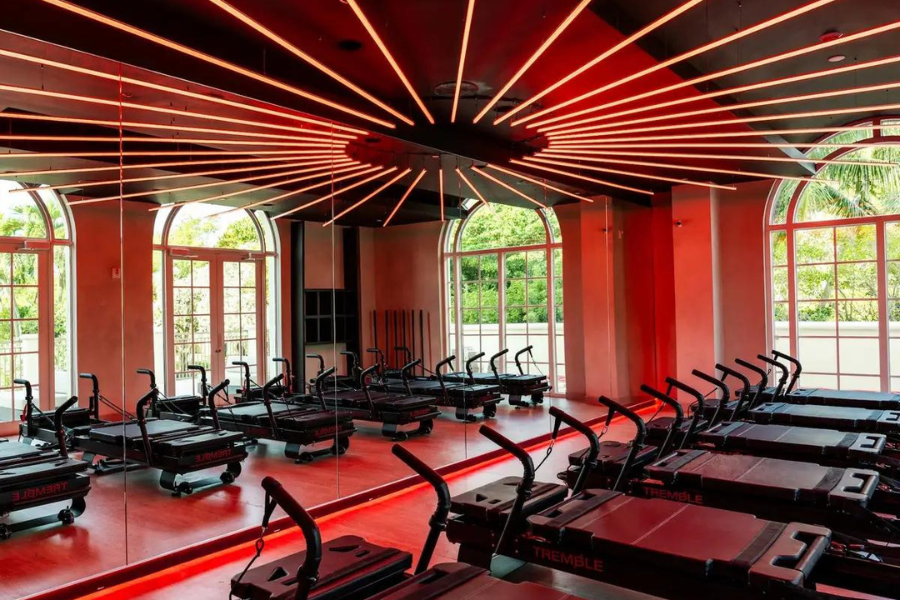
Workouts today are structured and purposeful. Strength training, endurance sports, mixed martial arts, running, paddle, yoga, and mobility work are increasingly built into weekly schedules, supported by fitness platforms that monitor training load, intensity, and recovery time. The focus has shifted from calorie burn to muscle strength, cardiovascular capacity, and long-term joint health.
Clean eating has evolved alongside this shift. Instead of extreme diets, young consumers are adopting nutrition plans centred on protein adequacy, gut health, and inflammation control. Nutrition and meal-tracking apps like MyFitnessPal, Cronometer, and HealthifyMe help monitor protein intake, fibre, hydration, and meal timing, while glucose-monitoring tools are sometimes used to understand individual responses to food.
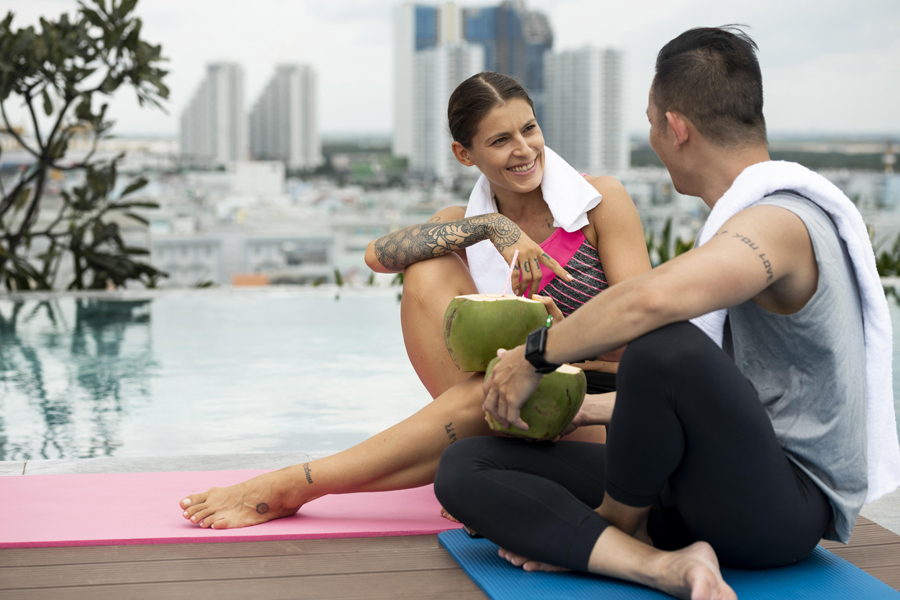
Recovery has emerged as the third pillar of this approach. With demanding work lives and high training volumes, sleep optimisation, mobility routines, breath-led recovery, and cold-water therapies such as cold plunges, ice baths, and contrast therapy are now treated as essential. They also include structured rest days as part of their training plans.
From Feel-Good Wellness to Measurable Longevity
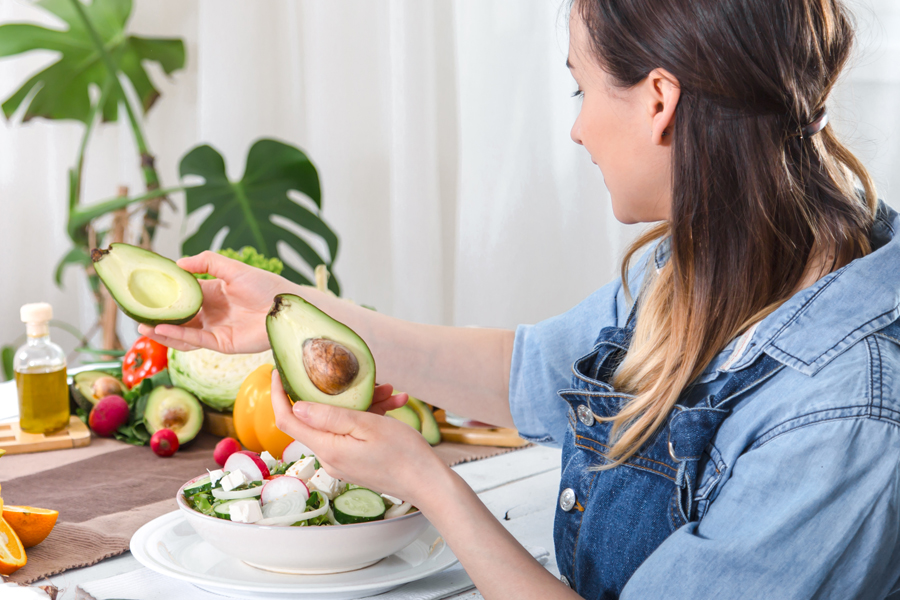
As young Indians become more disciplined about fitness, nutrition, and recovery, wellness is emerging as the next layer of health optimization. People are engaging in wellness and longevity programs to strengthen and sustain their long-term health.
This shift has changed how wellness itself is defined.
As Arpit Sharma, CEO of Seven Seas, explains, “The biggest shift is that wellness has stopped being feel-good and started becoming measurable performance plus lifespan preservation. People want longevity-led, evidence-based, doctor-guided programs, not vague detox plans.” He adds that younger consumers are asking sharper, data-driven questions: “What will this do to my sleep score? My HRV? My visceral fat? My glucose variability? My inflammation markers?”
According to Sharma, this reflects a broader cultural push away from behaviours that quietly shorten lifespan, such as poor sleep, chronic stress, metabolic dysfunction, inflammatory eating, and sedentary routines.
Evolution of Wellness Centres
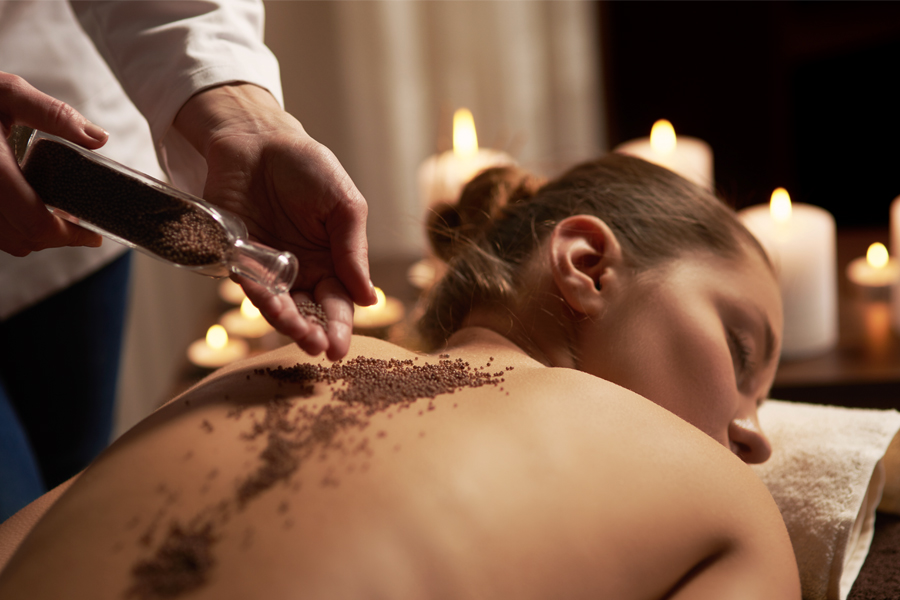
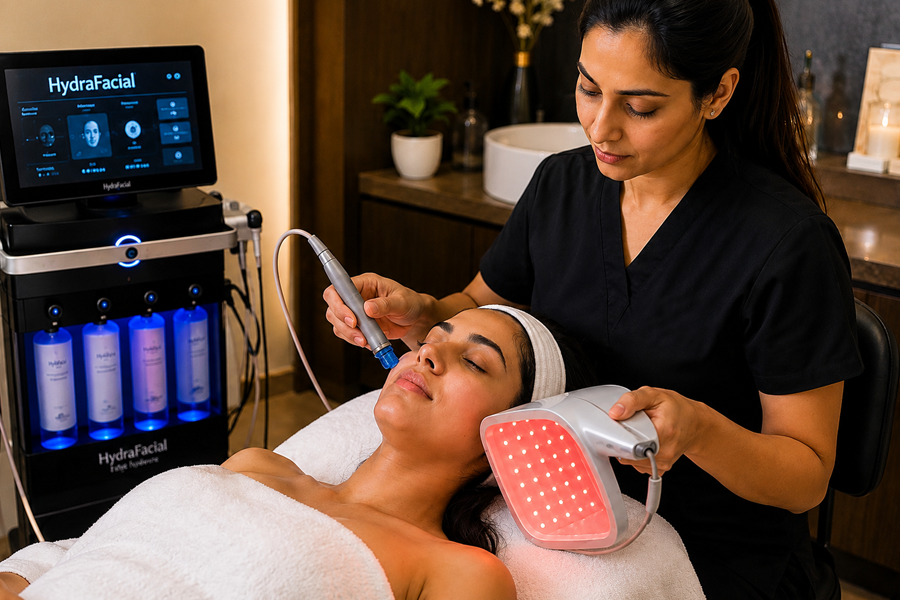
In response, wellness centres are moving away from standalone spa services towards structured, doctor-led longevity programmes. Traditional interventions such as Panchakarma, gut reset protocols, therapeutic nutrition, lymphatic detox, and stress regulation are now being integrated with modern health-optimisation tools like Cryotherapy for recovery and inflammation modulation; red light therapy to support cellular repair and skin and muscle recovery; personalised supplementation based on individual goals; and oxygen-based recovery modalities where relevant. “The point isn’t to add gadgets,” Sharma explains. “It’s to turbo boost results naturally by improving the body’s own capacity to repair, regulate, and optimize.”