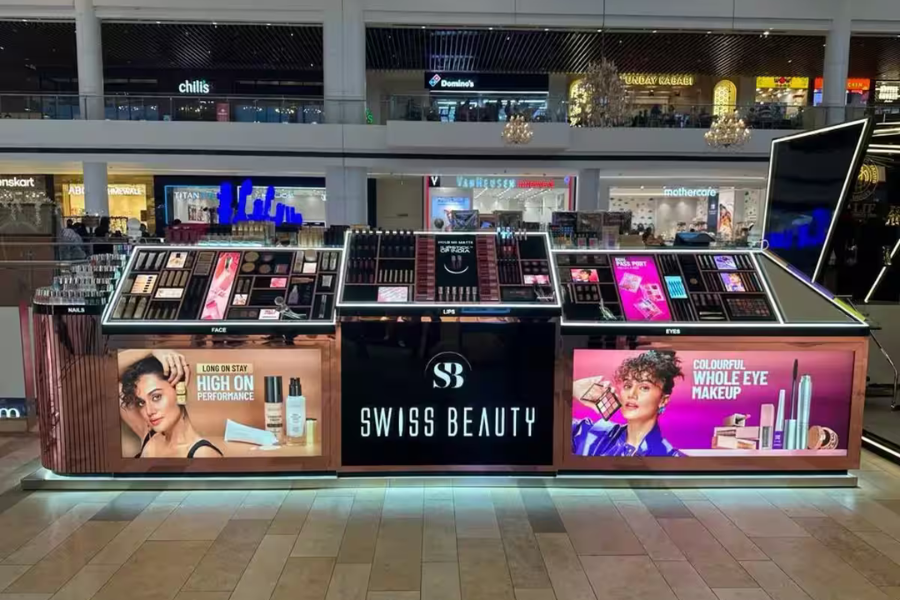
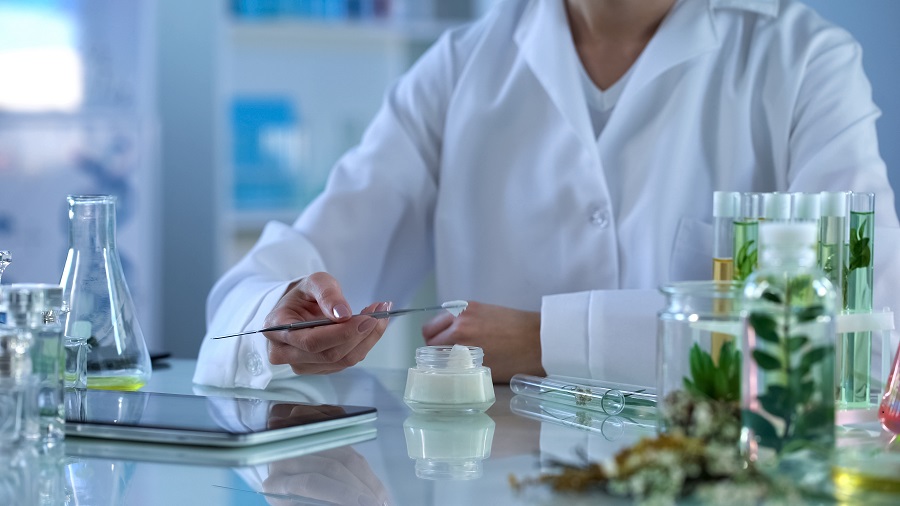

The U.S. Food and Drug Administration has issued a congressionally mandated report under the Modernization of Cosmetics Regulation Act of 2022 (MoCRA), revealing insufficient data to assess the safety of per- and polyfluoroalkyl substances (PFAS) in cosmetics. These “forever chemicals,” used for water resistance and texture in products like waterproof mascaras and long-wear foundations, appear in 1,744 formulations, with 51 PFAS identified and the top 25 accounting for 96% of intentional additions. Toxicological data for most remain incomplete, preventing definitive risk evaluations, though one PFAS raises potential concerns, and five seem low-risk under intended use.
Key Report Findings
FDA Commissioner Marty Makary emphasized the need for more research amid data gaps, aligning with the Make America Healthy Again (MAHA) strategy through collaboration with CDC and EPA. No federal bans exist yet on intentionally added PFAS in cosmetics, but the agency pledges enforcement if safety issues arise and plans expanded monitoring. The report targets intentional ingredients, not contaminants, highlighting persistence and toxicity worries driving state and global scrutiny.
Implications for Salons and Spas
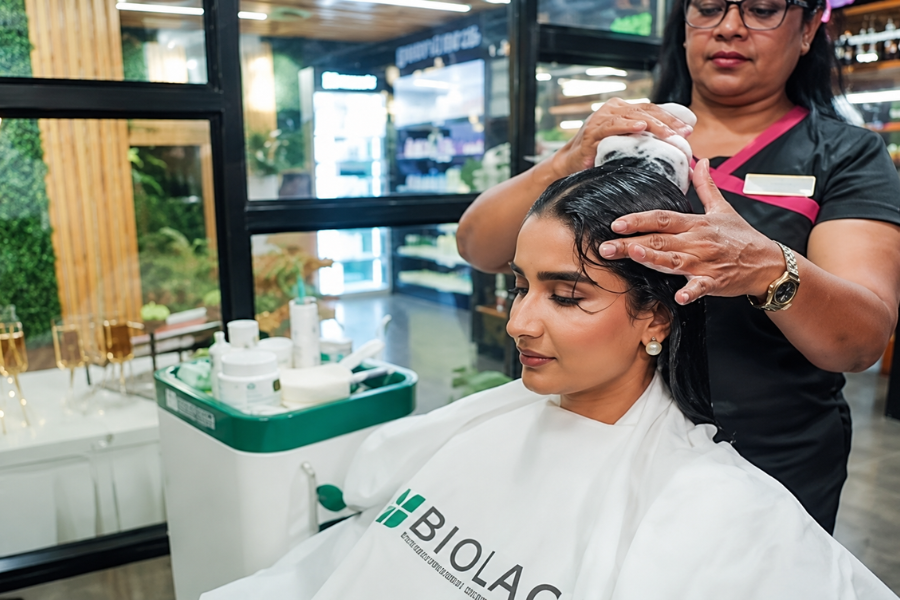
Spa and salon operators in the United States face reformulation pressures as a few states, like California, Colorado, and Maryland, enforce PFAS bans starting in 2026. Suppliers must verify PFAS-free claims, update safety data sheets, and pivot to alternatives, risking supply chain disruptions. Businesses should audit inventories, prioritize clean beauty lines, and educate staff on client queries to maintain trust amid rising consumer demand for transparency.
Forward Path
The FDA commits to filling data voids via testing and surveillance, urging industry innovation in safer formulations. Salons adopting PFAS-free protocols now can differentiate in a sustainability-focused market, potentially boosting loyalty among health-conscious clients.