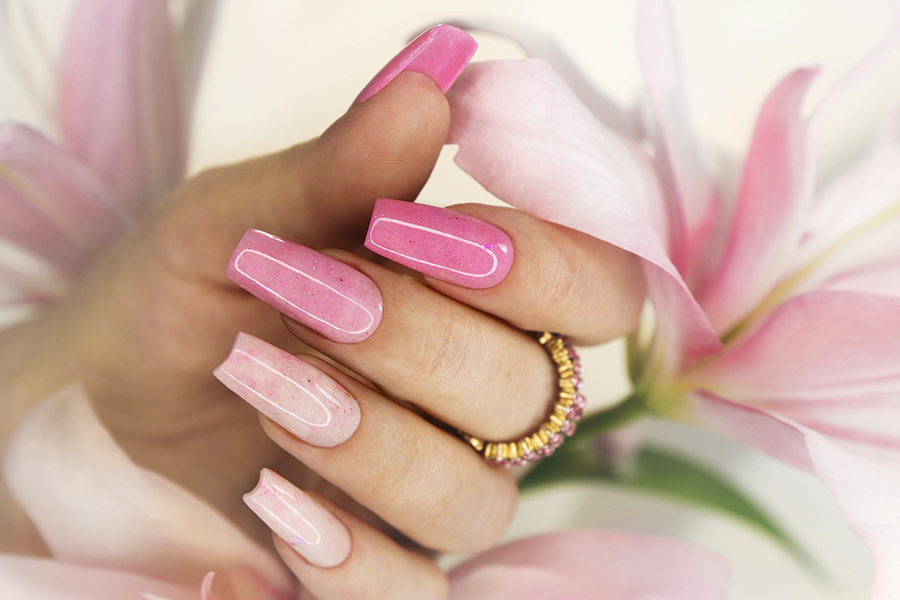

Acrylic nails have long been celebrated for their durability and fabulous polished finish, but this beauty may come with an unseen price. Experts warn that frequent use of these manicures could raise the risk of skin cancer, not because of the acrylic material itself, but due to the process involved in applying them.
According to Dr. Jay R. Anam, oncology surgeon at Saifee Hospital, the real concern lies in the ultraviolet light used to cure or harden the nails. Salons commonly rely on UVA lamps for this purpose, and repeated exposure to high-intensity radiation has been linked to concerns of DNA damage in skin cells. Over time, this damage can increase the likelihood of skin cancers, particularly on the fingers and hands.
So how often is too much? Occasional treatments are unlikely to cause harm, but studies have shown that women who underwent hundreds of curing sessions faced greater signs of skin damage, with some even developing precancerous changes. According to the Journal of the American Academy of Dermatology (JAAD), a regular acrylic nail enthusiast would need a refill every 3 weeks or 17 times a year, and the risk of the UVA light is cumulative, which means it grows with frequency.
Beyond UV exposure, there are other factors worth noting. Some acrylic products contain harsh chemicals such as toluene and formaldehyde, which may not directly cause cancer but can irritate the skin, trigger allergic reactions, and contribute to long-term sensitivity.
Fortunately, there are practical steps to reduce these risks without abandoning acrylic nails altogether. Dermatologists recommend applying a broad-spectrum sunscreen to the hands before salon visits, as this can give some protection against UVA rays. Choosing salons that use LED lamps, which emit far less UV light, also helps minimise exposure. Limiting the number of sessions and reserving acrylic manicures for special occasions rather than routine maintenance can further reduce the risk. It is also safer to rely on professionals for removal, as DIY methods often involve harsh or unknown chemicals that may worsen irritation.
Acrylic nails may deliver style and confidence, but safety should remain a priority. By taking simple precautions and being mindful of frequency, you can enjoy the beauty trend while protecting your skin health in the long run.